Entertainment · Books & Arts · 1 hr ago
Thessaloniki’s Hamza Bey Mosque reopens as an arts centre
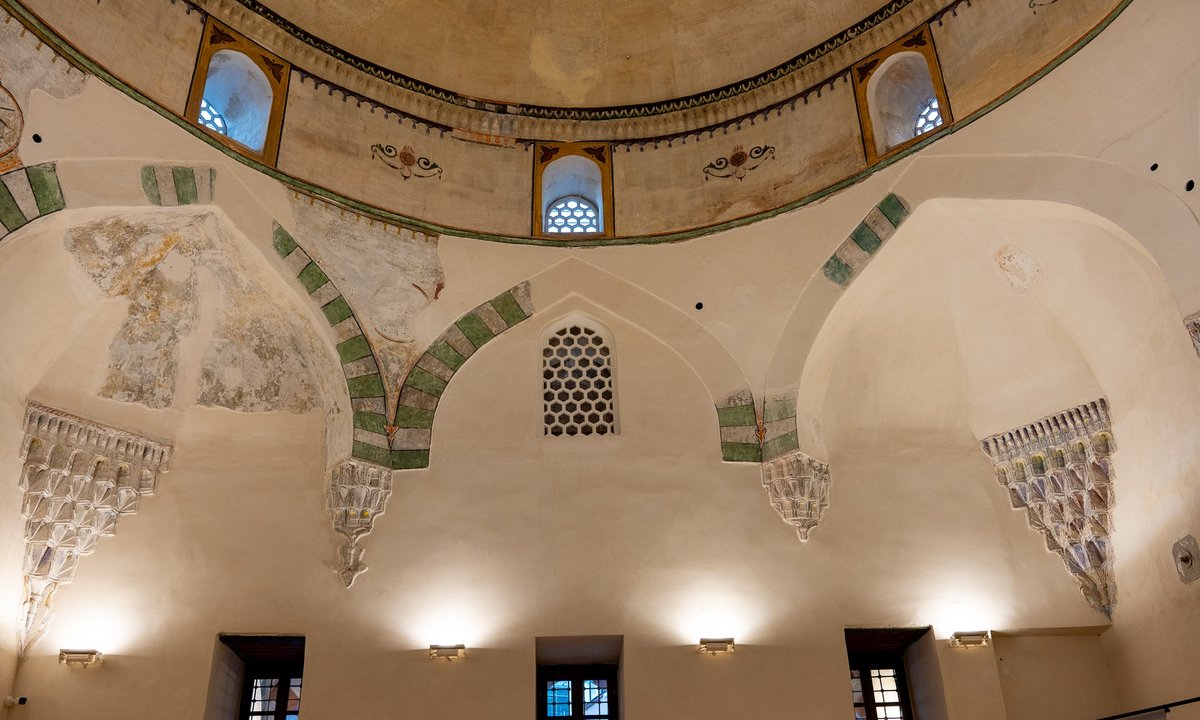
Thessaloniki’s 15th-century Hamza Bey Mosque has reopened as an exhibition space and cultural centre after nearly two decades of conservation work.
The building, also known as Alacazar, was commissioned in 1467 by the daughter of Ottoman admiral Hamza Bey.
It was expanded, damaged by fires and earthquakes, and rebuilt before later serving as a cinema.
The mosque stopped functioning as a mosque after the 1923 population exchange between Greece and Turkey, when two million people faced compulsory transfer based on religion.
Greece’s culture ministry took the building under its protection in 2006, and restoration work continued in stages through 2026.
MOMus will run the restored site with some decisions made alongside Thessaloniki’s Ephorate of Antiquities.
Its first exhibition uses photographs by Thessaloniki-born Pete Marifoglou to explore the city’s changes from 1960 to 1980.
The reopening puts Ottoman heritage back into public view as part of Thessaloniki’s multicultural history.

Thessaloniki’s 15th-century Hamza Bey Mosque has reopened as an exhibition space and cultural centre after nearly two decades of conservation and restoration.
The building, also known as Alacazar, was commissioned in 1467 by the daughter of Ottoman admiral Hamza Bey.
MOMus will run the site, with some decisions made in collaboration with the Ephorate of Antiquities of Thessaloniki City.
Its opening exhibition presents photographs by Thessaloniki-native Pete Marifoglou, including some works shown publicly for the first time.
The restoration included structural work from 2007 to 2023 and a final phase supported by the European Recovery Fund from 2024 to 2026.
- Who
- The Metropolitan Organisation of Museums of Visual Arts of Thessaloniki (MOMus) will run the site.
- What
- The former mosque has reopened as an exhibition space and cultural centre.
- When
- It reopened last weekend, according to the article published on 13 October 2026.
- Where
- Thessaloniki, Greece, at the corner of Egnatia and Venizelou streets.
- Why
- The restoration prepared the building for its new function and conservation of the historic site.
This story does not have two clearly opposing sides.
The mosque was commissioned by the daughter of Ottoman admiral Hamza Bey.
The population exchange between Greece and Turkey took place, after which the building ceased functioning as a mosque.
The former mosque came under the protection of the Greek ministry of culture.
Structural work and stabilisation proceeded in stages.
The latest restoration phase, supported by the European Recovery Fund, completed interior and exterior conservation.
The mosque reopened as an exhibition space.
- Original commission
- 1467
- Conservation and restoration
- Nearly two decades
- Structural work and stabilisation
- 2007–2023
- Latest restoration phase
- 2024–2026
- Opening exhibition
- Thessaloniki: The Footprint of Transition (1960-1980). Through the photographs of Pete Marifoglou
What people are saying
The Hamza Bey Mosque, known to most people as ‘Alcázar’, is a building that bears witness to the city’s modern history—a history marked by the profound transformations of the Balkans.
Its restoration demonstrates that Thessaloniki is now ready to showcase its Ottoman period as an integral part of its multicultural history.
Sources
Related news
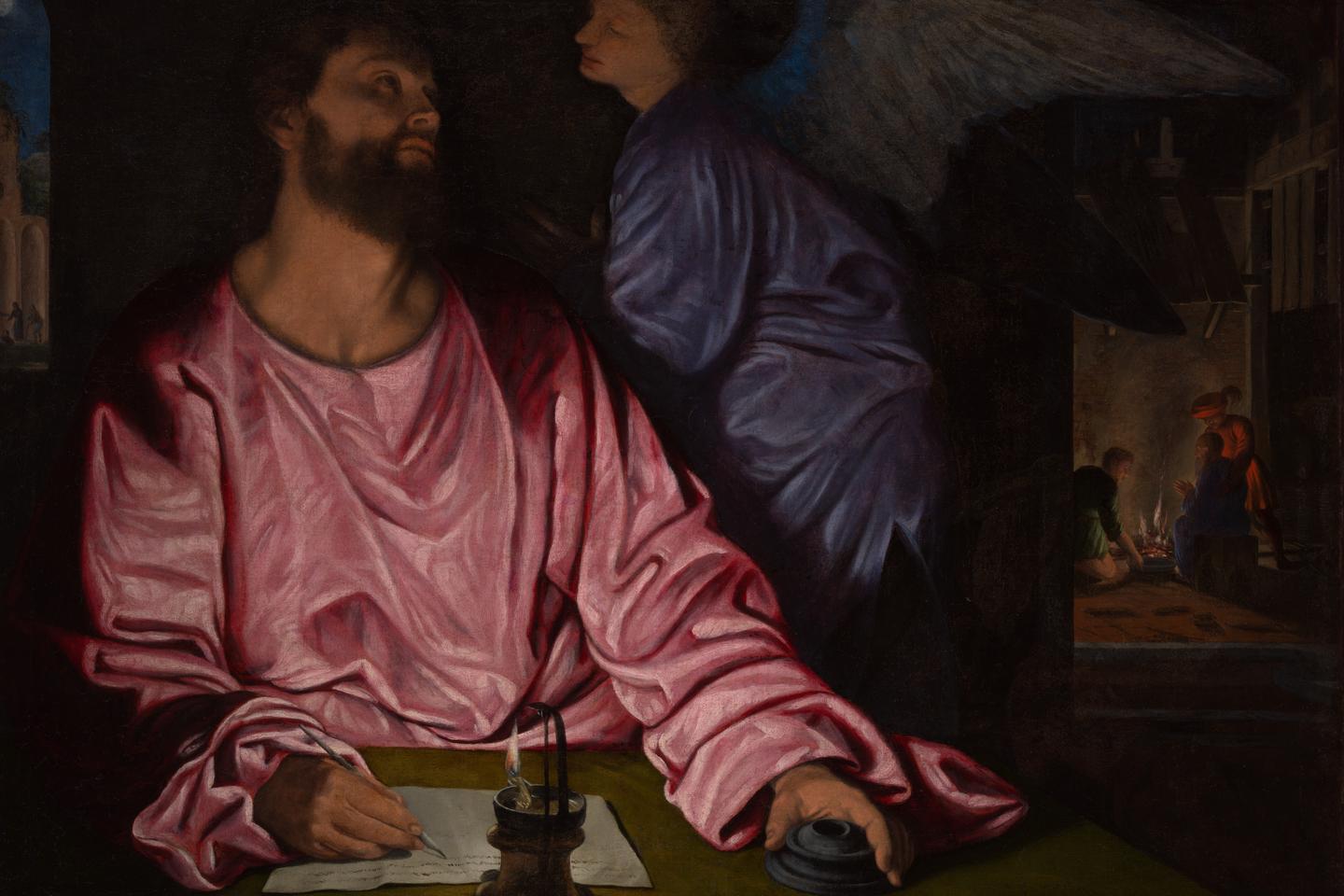
Thélyson Orélien denies using AI to write novel, admits plagiarism

Hillary Clinton and Kara Swisher to launch political podcast

Review covers Akane-banashi manga volumes 4-6

Maria Kreyn’s New Exhibition Explores Creation and Regeneration
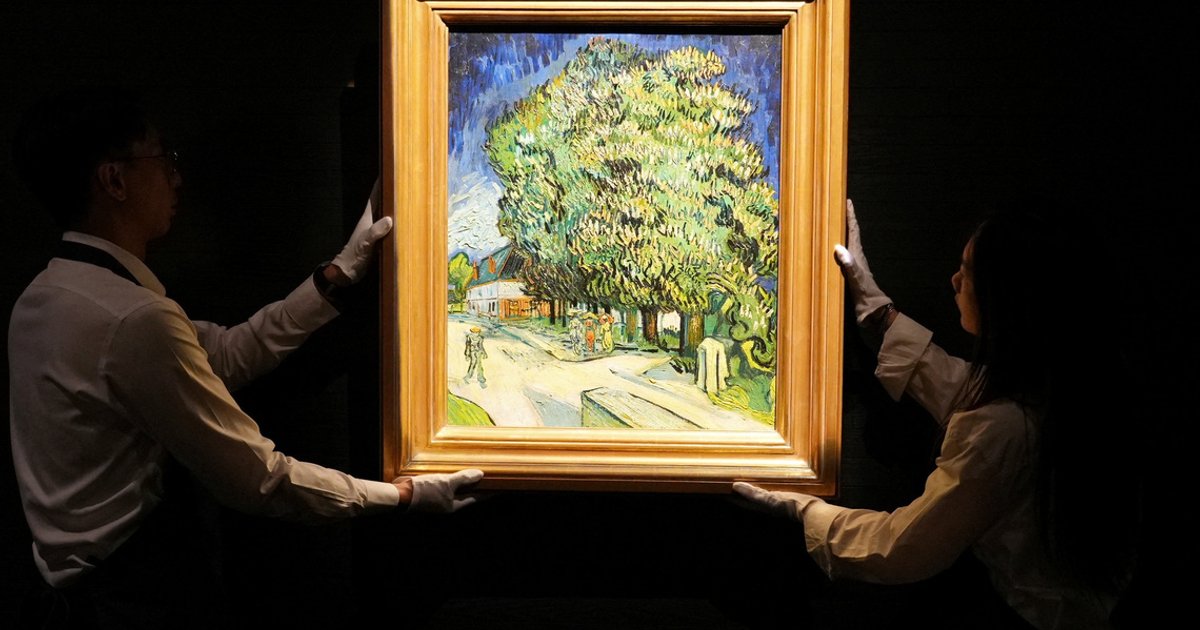
Van Gogh painting unseen in public for 60 years goes on display in Hong Kong
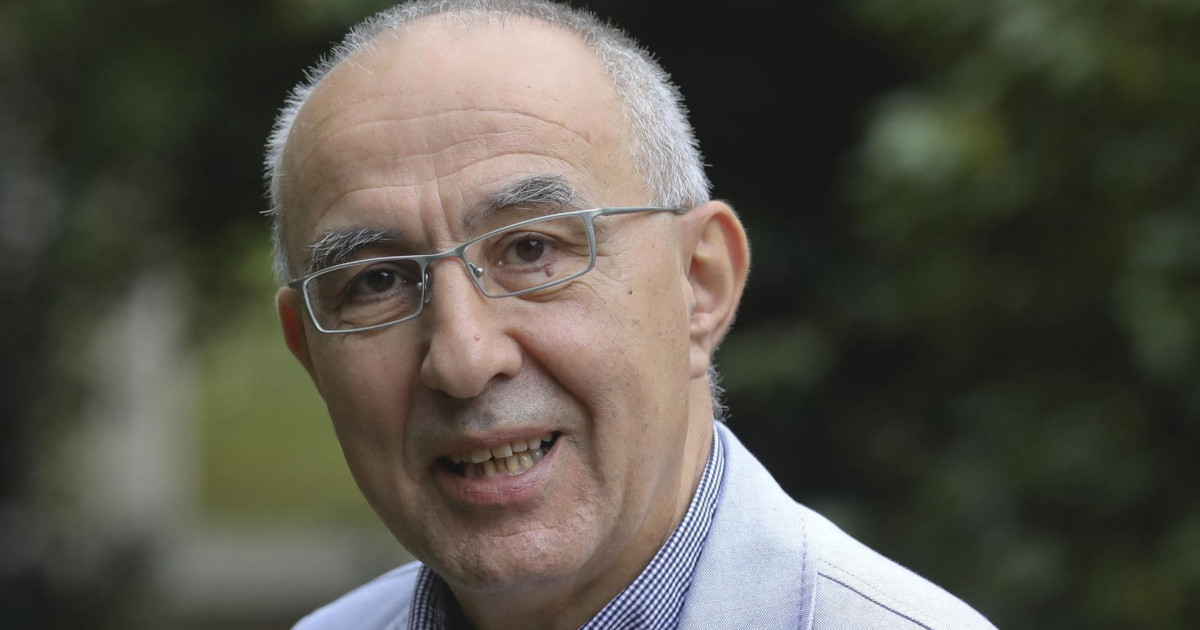
Xosé López García wins Galicia’s 2027 Diego Bernal journalism prize

Vaidehi urges protection of Kannada poetry from AI influence
Frieze Masters traces queer histories across 20th-century Modernism

Ancient Egyptian mummy portrait restored before first trip abroad
Sacha Baron Cohen to star in Tarantino’s first play in London

New York Comic Con Marks 20 Years as a Fan-Driven Event