

Sports · Running & Athletics · 2 days ago
Eliud Kipchoge says mental strength and pacing matter in a marathon
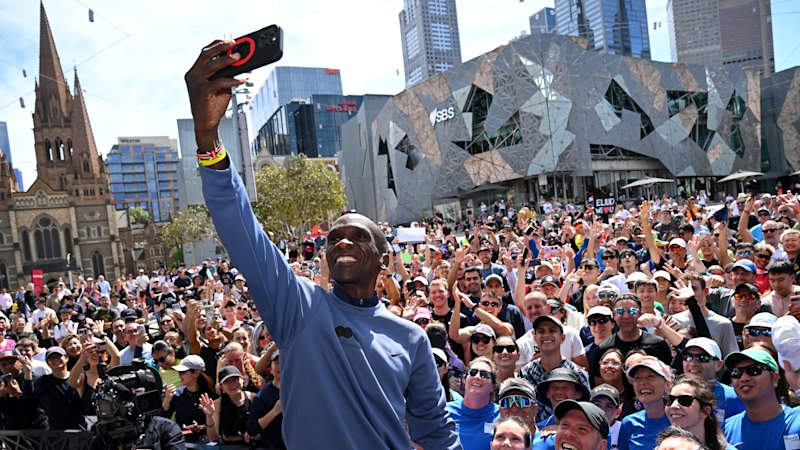
Eliud Kipchoge, a Kenyan marathon runner and two-time Olympic gold medallist, spoke in Melbourne ahead of Sunday’s Melbourne Marathon.
He said the starting line is the hardest part for him because he feels tense and nervous.
Kipchoge has broken the world record twice and was the first man to run a marathon in under two hours, in a non-race event.
He said he reminds himself of the training he has done before the race begins.
For most runners, the marathon is a race against themselves, and Kipchoge said he also worries about whether he will keep going.
He says the first 20 or 21 kilometres are about settling into the right rhythm, while the second half is where the real effort begins.
Running too fast early can leave a runner unable to maintain their pace later.

Eliud Kipchoge says mental fitness helps runners cope with nerves at the marathon starting line.
He described the start as the hardest part because he feels tense and nervous.
Kipchoge said he tells himself he is the best and has trained harder than the other runners.
He recalled worrying during his 2019 attempt to run a marathon in under two hours that he might quit.
He says the first 20 or 21 kilometres are about finding the right rhythm, while the race’s challenge comes after halfway.
- Who
- Eliud Kipchoge, the Kenyan marathon runner, shared his advice for runners.
- What
- He said mental fitness helps manage nerves at the starting line and described how he approaches the race.
- When
- He spoke on Thursday, ahead of the Melbourne Marathon on Sunday.
- Where
- At an event for Bupa ahead of the Melbourne Marathon.
- Why
- He wanted to explain how mental strength can help runners manage nerves and approach the marathon.
This story does not have two clearly opposing sides.
The starting line, that’s the hardest part of my life because now you know, I’m really tense. I’m really nervous. At the starting line physical fitness actually cannot calm you, but mental fitness actually plays a huge role when I’m at the starting line
I am the best. I trained harder than everybody here. I have done a lot of hours, eaten a lot of hours on the track
What will happen if I just quit at 35 [kilometres]? What will the people say? What will the people believe about you? What will happen if I just, you know, quit?
From the first kilometre to 20 or 21 kilometres, that’s the time I kick myself. That’s the time I am training my body to have the right rhythm because halfway anybody can run. It’s for anybody
Kipchoge attempted to run a marathon in under two hours in controlled conditions with pacers.
Kipchoge spoke about marathon nerves at a Bupa event.
The Melbourne Marathon was due to take place.
- Runner
- Eliud Kipchoge
- Event
- Melbourne Marathon
- Speaking event
- Bupa event ahead of the marathon
- Early-race distance
- First 20 or 21 kilometres
- 2019 attempt
- Under two hours in controlled conditions
Sources
Related news

Hawi Feysa Defends Chicago Marathon Title in 2:13:33
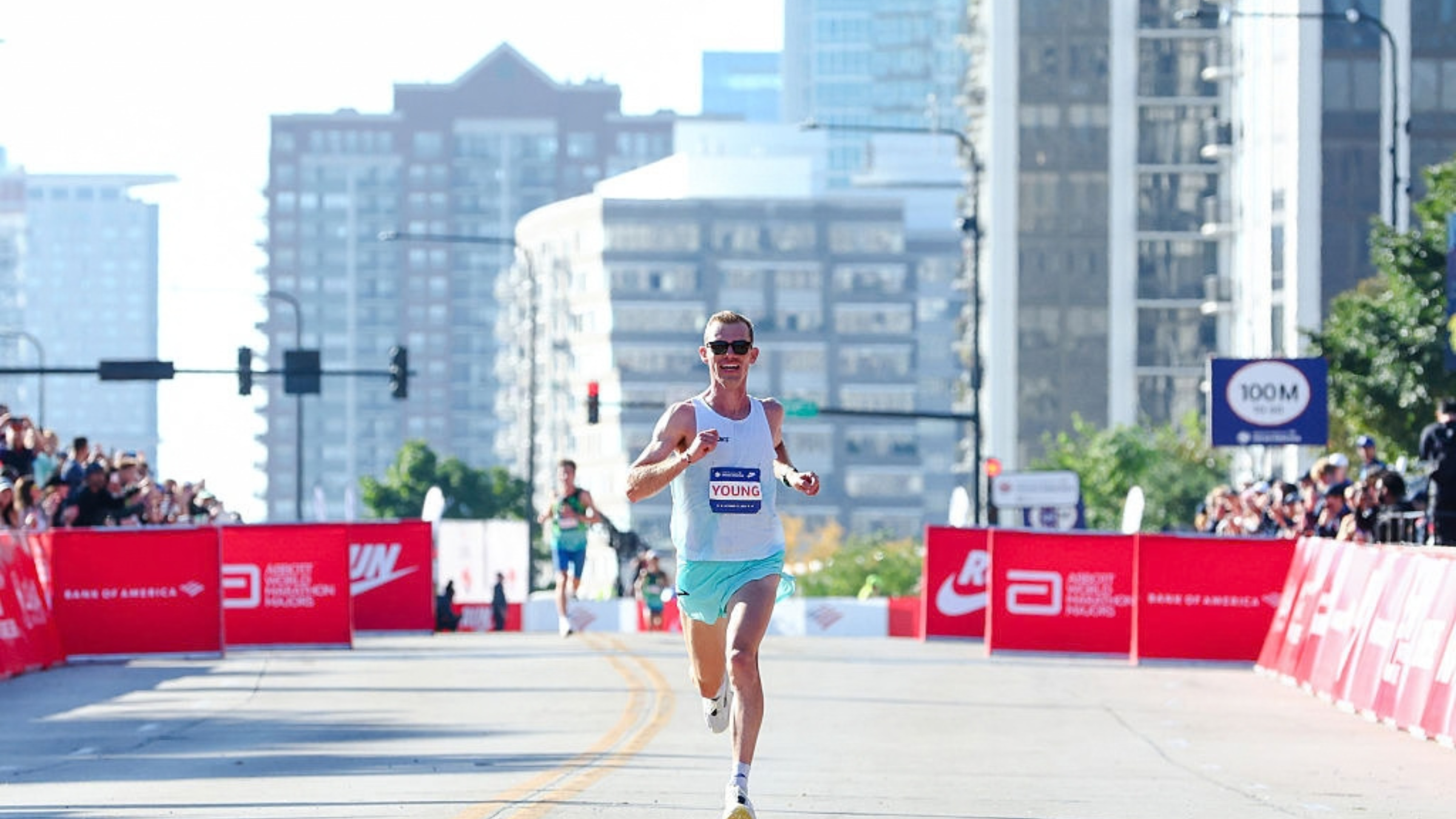
Feysa and Kipruto Win Chicago Marathon as Hurley Sets Debut Record
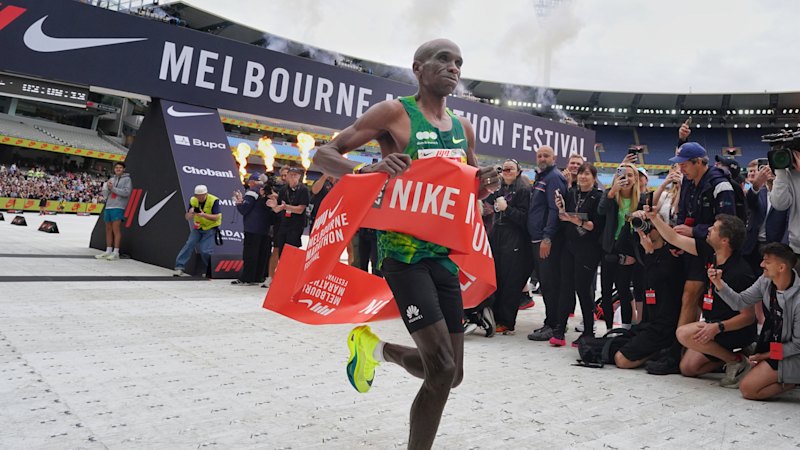
Eliud Kipchoge wins Melbourne Marathon in course-record time
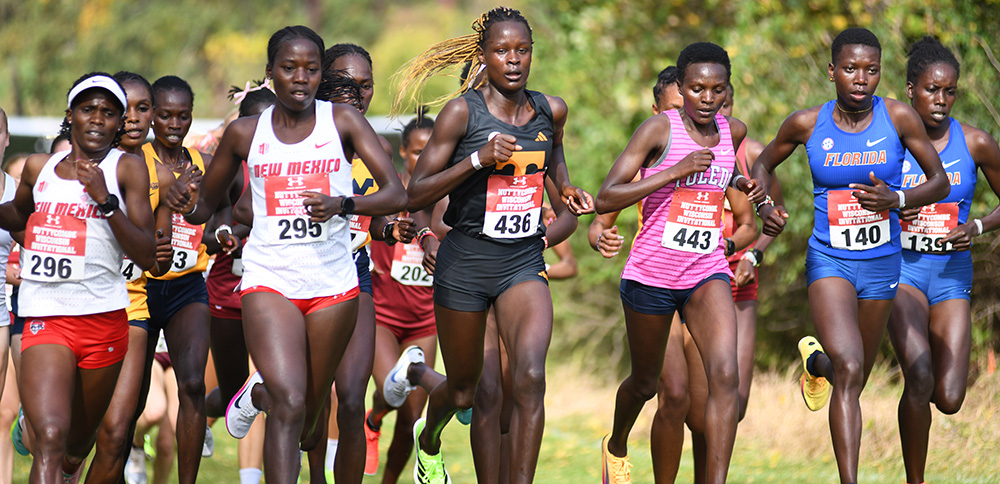
New Mexico and West Virginia win teams at Nuttycombe Invitational

Clayton Young Runs Second-Fastest U.S. Marathon Time at Chicago

Chelsea Clinton Finishes Chicago Marathon in 3:47:55

Vinny Mauri finishes 10th at Chicago Marathon after leading early

Ankita breaks women’s steeplechase meet record at National Open Championships

Catherine Debrunner sets women’s wheelchair world record at Chicago Marathon

Julie-Anne Staehli wins fourth straight Canadian women’s 5K title

Amos Kipruto and Hawi Feysa win the 2026 Chicago Marathon
