Business · Energy & Commodities · 1 hr ago
Grid capacity delays plans to electrify Dutch factories
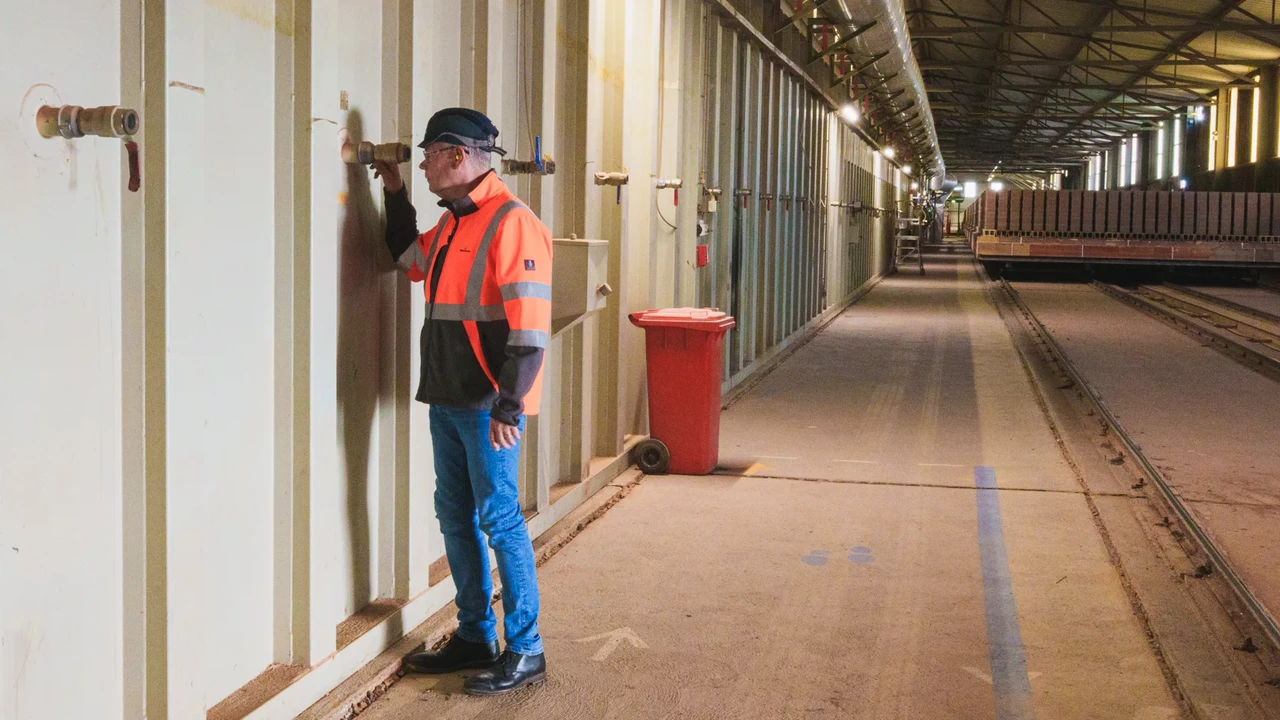
Many factories in the Netherlands use energy-intensive machines to make products such as glass, cardboard and bricks.
A report by Cluster6 says some regional industrial companies cannot switch to electric equipment because the power grid lacks capacity.
Wienerberger makes about 70 million bricks and paving stones each year, mostly using gas kilns, and one of its factories is waiting for a stronger grid connection.
Grid congestion has grown as businesses and households use more electricity, while existing cables cannot meet demand at peak times.
Under current rules, industry companies are near the bottom of regional connection waiting lists, behind services such as hospitals and projects that can ease congestion.
Companies say uncertainty about when they will get power can push investment abroad.
Temporary local power generation could help factories start switching sooner, while grid operators plan to build about 100 high-voltage stations and other infrastructure in the coming years.

Dutch regional industrial companies say a lack of electricity-grid capacity is delaying plans to switch to electric machinery.
A report by Cluster6 says the shortage is preventing many companies from making their production more sustainable.
Wienerberger’s brick factory in Pannerden is waiting for a higher-capacity connection, with a place on the waiting list promised sometime before 2030.
Companies with uncertain access to electricity risk delaying investment or moving it abroad, industry representatives say.
Grid operators are expanding infrastructure, but finding sites and local opposition can slow construction.
- Who
- Regional industrial companies, including Wienerberger, and the Cluster6 collaboration.
- What
- Plans to replace energy-intensive equipment with electric machinery are delayed by insufficient electricity-grid capacity.
- When
- The issue is reported on 12 October 2026. Wienerberger was told it might get capacity before 2030.
- Where
- The Netherlands, including Wienerberger’s factory in Pannerden.
- Why
- Electricity demand has grown faster than the underground cables can accommodate, while grid operators cannot grant every new connection request.
This story does not have two clearly opposing sides.
We were promised there would be capacity somewhere before 2030, but the question is whether that will actually happen.
If that can be done sustainably, that is great, with solar, wind and batteries. If it cannot be done sustainably, we will have to generate extra electricity temporarily with gas turbines.
Because of uncertainty about an electricity connection, investments are leaking away to other countries.
The Authority for Consumers and Markets introduced measures to address electricity-grid shortages, giving priority to socially important institutions and congestion-reducing businesses.
NOS reported that industrial companies are waiting for grid capacity needed to switch to electric machinery.
Wienerberger’s Pannerden factory was told it might get a higher-capacity connection.
Grid operators plan to build about 100 high-voltage substations and other electricity infrastructure.
- Wienerberger production
- About 70 million bricks and paving stones a year
- Factory location
- Pannerden, Netherlands
- Connection wait
- Wienerberger was promised capacity sometime before 2030
- Planned grid expansion
- About 100 high-voltage substations and other infrastructure
- Industry group
- Cluster6 includes regional energy-intensive manufacturing and waste-processing companies and the Ministry of Climate Policy and Green Growth
Sources
Related news
IT incident disrupts Albert Heijn services and grocery deliveries
Page explains news search and alert features
The modern manager is expected to take a more therapeutic role
Unions urge Shell to clarify the future of its Moerdijk site
Dutch business bankruptcies rose 16% in September
Nebius signs up as first customer for planned Rotterdam AI data centre
Albert Heijn, Etos and Gall & Gall websites and apps go offline again
Rabobank raises savings rate to 1.6% for balances up to €10,000

Dutch exports were nearly 5% higher in August
Batavus, KOGA and Babboe sold to Singaporean investor Dutech
CBS: More businesses went bankrupt in September