

Politics · Japan · 2 days ago
Japan submits bill to cut food consumption tax to 1% for two years

Japan’s government has submitted a bill to parliament to reduce the consumption tax on food and drink from 8% to 1% for two years starting in April.
The bill also provides for annual cash payments to low- and middle-income earners.
Japan’s standard consumption tax rate is 10%, while food and drinks currently have a reduced 8% rate, with alcohol and dining out excluded.
The government says the measures are intended to help people facing rising prices.
The tax cut is expected to reduce revenue by about 10 trillion yen over two years, and the government has not yet detailed how it will make up the shortfall.
Opposition lawmakers have questioned the funding plan and the criteria for receiving payments, while local governments could also be affected.
The government is seeking approval during the current parliamentary session, scheduled to end on December 12.

Japan’s government submitted a bill to parliament on Friday to cut the consumption tax on food and drink from 8 percent to 1 percent for two years from April.
The bill also proposes annual cash payments for low- to middle-income earners.
The government aims to pass the legislation during the current extraordinary Diet session, scheduled to end Dec. 12.
The tax cut is expected to reduce revenues by about 10 trillion yen over two years, and the government has not specified how it will replace the funds.
Opposition lawmakers have questioned how the revenue shortfall will be covered and criticized the proposed eligibility criteria for benefits as vague.
- Who
- Japan’s government submitted the bill; Prime Minister Sanae Takaichi is leading the government.
- What
- The bill would cut the consumption tax on food and drink to 1 percent for two years and provide annual payments to low- to middle-income earners.
- When
- It was submitted on Friday, Oct. 9, 2026. The tax cut would begin in April.
- Where
- Japan.
- Why
- The government says the measures are intended to speedily help the public facing inflationary pressures.
Japan’s government
Opposition lawmakers
Funding the tax cut
Japan’s government
The government says funds will be secured without deficit-financing bonds and that funding sources will be identified through the budget process.
Opposition lawmakers
Opposition lawmakers have raised concerns about how the revenue shortfall will be covered.
Eligibility for benefits
Japan’s government
The government proposes annual payments for low- to middle-income earners.
Opposition lawmakers
Opposition lawmakers have criticized the criteria for receiving benefits as vague.
We will take measures to ensure that local governments' fiscal management is not adversely affected,
will be reflected in prices, in principle,
clearly identify
The Cabinet approved the plan for a consumption tax cut.
The government gave the green light to a tax reform package that became the basis for the legislation.
The Cabinet approved the legislation, and the government submitted the bill to parliament.
The proposed two-year tax cut is scheduled to begin.
The 69-day extraordinary Diet session is scheduled to end.
- Proposed food and drink tax rate
- 1 percent, down from 8 percent
- Duration
- Two years from April
- Expected revenue loss
- About 10 trillion yen ($63 billion) over two years
- Benefit recipients
- Low- to middle-income earners
- Diet session end
- Dec. 12
Sources
Related news

Japan considers including railways in defense-related spending
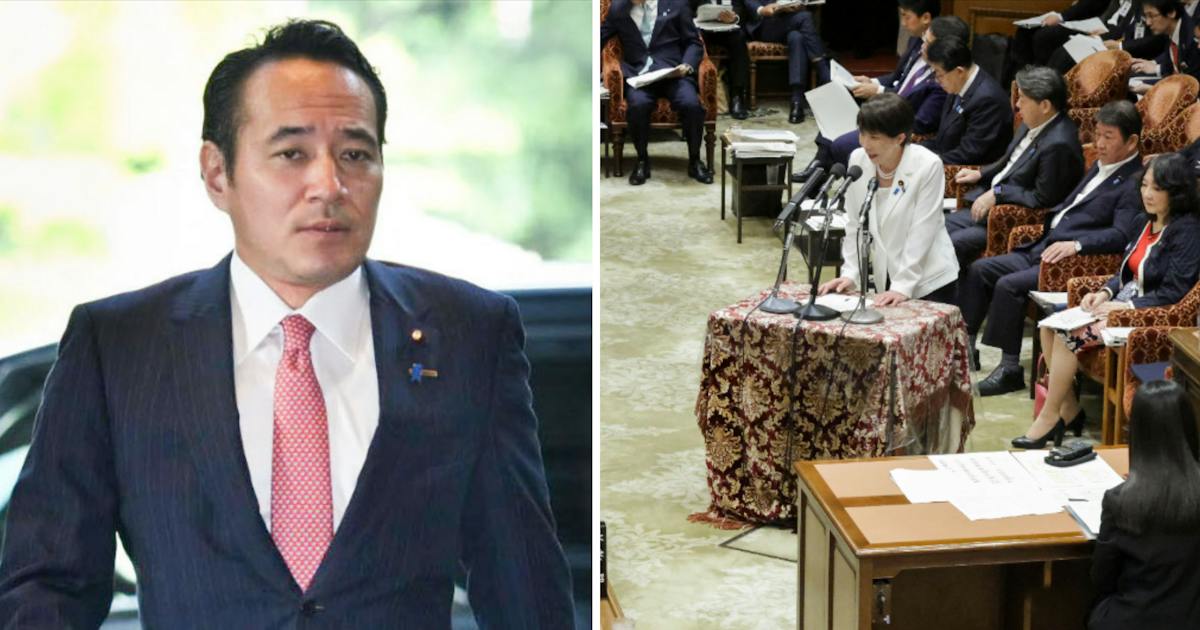
Japan opposition to question agriculture minister over road budget remarks

Japan had a separate unit that used geography in electronic warfare

Japan sets 30 km/h speed limit on residential roads nationwide
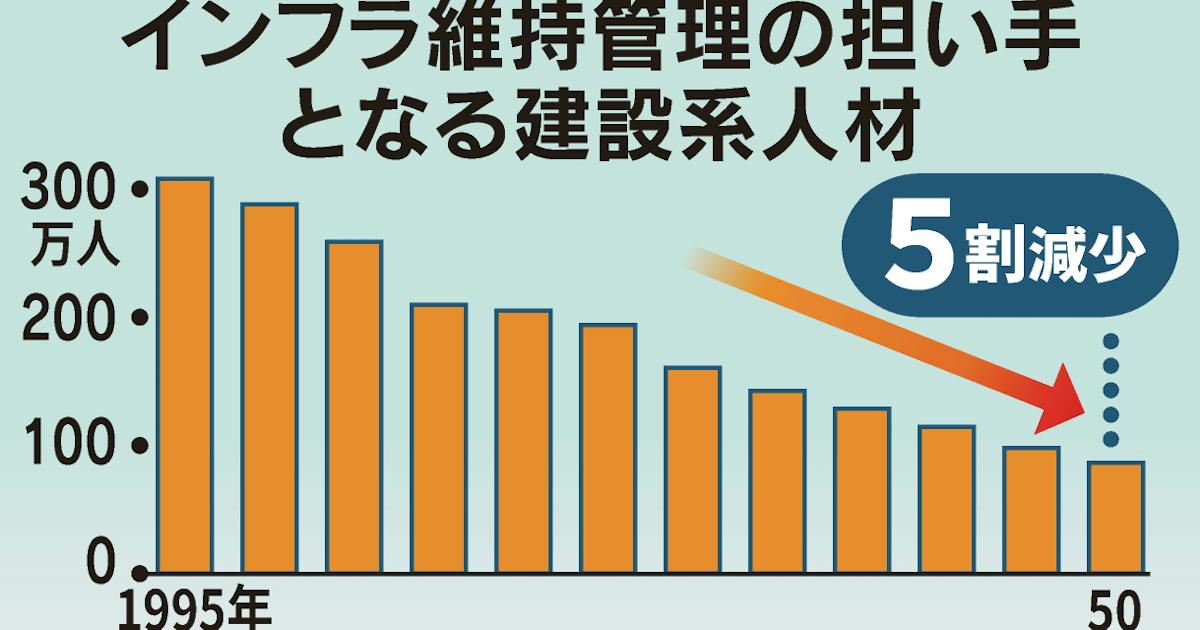
Japan may have half as many infrastructure workers by 2050
More Japanese local governments take steps to address loneliness and isolation

Japan government submits bill to cut tax on food and nonalcoholic drinks

Nara trains forest managers after deadly mountain damage

Japan’s Air Self-Defense Force failed to reuse ¥58 million in helicopter parts
Japan urges financial firms to switch online ID checks to chip reading sooner

Japan rethinks foster care outreach after survey finds low awareness
