Business · Economy · 7 hrs ago
Kenya bill would let central bank take control of troubled payment firms
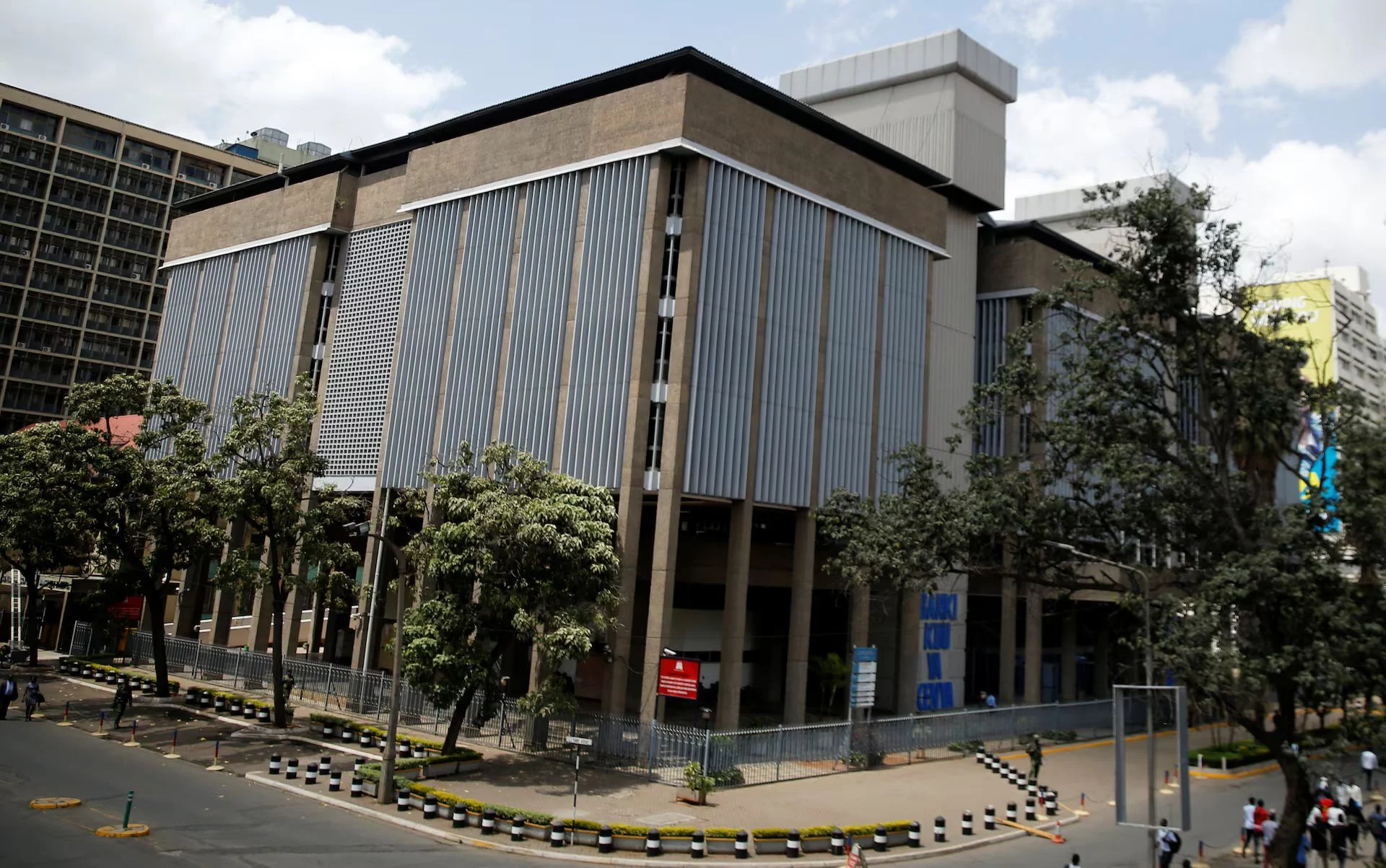
Kenya’s central bank is seeking new powers over payment companies that get into serious trouble.
A draft 2026 bill would let it intervene if a provider cannot meet its obligations, breaks regulatory rules or threatens financial stability.
The bank could appoint a statutory manager, remove officials it considers responsible and sell the company’s business.
It could also stop a provider from taking on new payment business or agents.
These powers are intended to protect customer money and limit the risks to merchants and other financial institutions.
But they would not guarantee customers uninterrupted access to their funds, because a manager could suspend payments.
The bill would replace Kenya’s 2011 National Payment System Act and is also intended to create a registration and licensing system for fintech startups.
The proposal is now at the draft-bill stage; the sources do not say when it may become law.

Kenya’s draft National Payment System Bill, 2026, would give the Central Bank of Kenya powers to take control of troubled payment firms and sell their businesses.
The bank could intervene if a provider fails to meet obligations, breaches regulatory requirements or threatens financial stability.
The proposal would allow the bank to appoint a statutory manager, remove officials and restrict a firm from taking on new payment business or agents.
A manager could suspend payments to customers and other creditors, so the proposal does not guarantee uninterrupted access to funds.
The bill would replace the National Payment System Act of 2011 and provide for the registration and licensing of fintech startups.
- Who
- The Central Bank of Kenya would receive the proposed powers.
- What
- A draft bill would let the bank intervene in troubled payment firms, appoint managers and sell businesses.
- When
- The proposal was reported on 12 October 2026. The bill is a draft.
- Where
- Kenya.
- Why
- To protect customer money and address risks to financial stability and public confidence.
This story does not have two clearly opposing sides.
The Central Bank may intervene in the management of a payment service provider or a payment system operator where … the payment service provider or payment system operator fails to meet its obligations to customers
All the powers of the directors, significant shareholders, senior officers or trustees
The Central Bank of Kenya placed Imperial Bank into receivership.
Chase Bank entered receivership and reopened that month under KCB’s management.
The bank revoked the authorisation of Mobile Pay, which operated under the Tangaza brand, citing regulatory breaches that put customer funds at risk.
TechCabal reported on the draft National Payment System Bill, 2026, which would expand the bank’s powers over troubled payment firms.
- Proposed law
- National Payment System Bill, 2026
- Regulator
- Central Bank of Kenya
- Existing law to be replaced
- National Payment System Act of 2011
- Tangaza operator
- Mobile Pay
- Imperial Bank receivership
- October 2015
Sources
Related news

M-KOPA extends pay-as-you-go financing to electric tuk-tuks in Kenya

Monopulse raises over €2 million to expand drone production

Capitec uses hidden checks to disrupt fraud syndicates

Lagos Life says virtual billboards brought in over $170,000 in nine days

Genting shares fall most since 1998 after fundraising plan

Sars approves R2.75-billion in Microsoft and IBM contracts without open tenders

Egypt core inflation slows to 14.1% as food prices rise

Infinite Partners raises $169.3 million for South African growth businesses

Retiree considers $350,000 investment in a UAE data center
Banque du Caire to offer 30% stake in Egypt IPO
Mauritius Central Bank to Weigh How Long Inflation Pressures Last