World · South & Central Asia · 2 hrs ago
CIA team entered Afghanistan in 2001 aboard a Russian-made Mi-17 helicopter
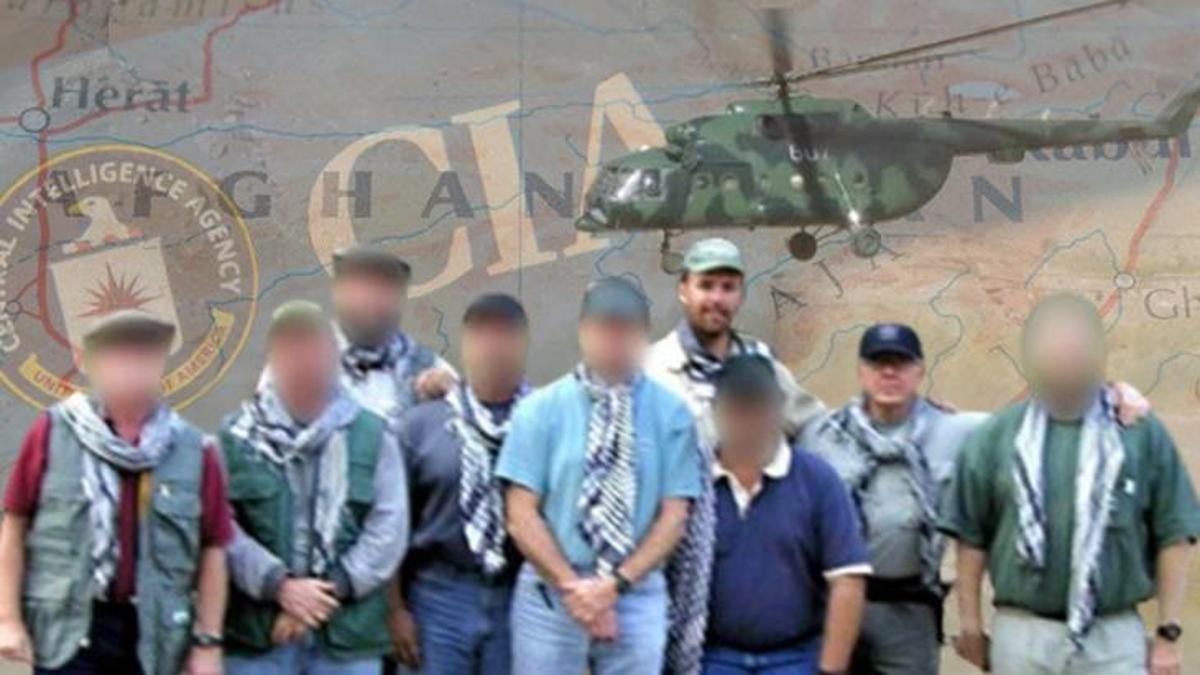
On September 26, 2001, a seven-person CIA team landed in Afghanistan’s Panjshir Valley aboard a Mi-17 helicopter.
The landing came 15 days after the September 11 attacks, as the United States prepared military action against the Taliban and al-Qaeda.
The team, known as JAWBREAKER, was sent to gather intelligence and build ties with local forces, including the Northern Alliance.
The CIA chose a Soviet-designed Mi-17 because Taliban and Northern Alliance forces also used that type, making it less conspicuous than a US Black Hawk.
The helicopter could also cross the high Anjuman Pass, which the team needed to cross to reach the valley.
The Mi-17 flew more than 300 missions in Afghanistan and remained in service until 2012.
Its role shows how the CIA used local alliances and covert operations to support the US campaign.
The restored helicopter is now displayed at CIA headquarters in Langley, Virginia.

A seven-member CIA team known as JAWBREAKER entered Afghanistan on September 26, 2001, aboard a Russian-made Mi-17 helicopter.
The team landed in the Panjshir Valley, 15 days after the September 11 attacks.
Its mission was to gather intelligence, prepare for possible US military action and organize potential local allies.
The CIA chose the Mi-17 in part because it was used in the region and could blend in better than a Black Hawk.
The helicopter flew more than 300 missions in Afghanistan and remained in service until 2012.
- Who
- A seven-member CIA team known as JAWBREAKER.
- What
- The team entered Afghanistan aboard a Russian-made Mi-17 helicopter.
- When
- September 26, 2001, 15 days after the September 11 attacks.
- Where
- The team landed in the Panjshir Valley.
- Why
- To gather intelligence, prepare for possible US military action and organize potential local allies.
This story does not have two clearly opposing sides.
The attacks on the United States took place.
Al-Qaeda militants killed Northern Alliance leader Ahmad Shah Massoud, according to the article.
The seven-member JAWBREAKER team landed in the Panjshir Valley aboard a Mi-17.
The Alpha Team, including David Tyson, was deployed to a different area of northern Afghanistan.
The Mi-17 had flown more than 300 missions in Afghanistan and remained in service until this year.
- Team
- JAWBREAKER, a seven-member CIA team
- Arrival date
- September 26, 2001
- Landing site
- Panjshir Valley
- Helicopter
- Russian-made Mi-17
- Route obstacle
- Anjuman Pass, about 4,500 metres above sea level
- Service record
- More than 300 Afghanistan missions; in service until 2012
What people are saying
It was very shaky and there was a fuel leak. The flights were very noisy. I am not sure this helicopter was airworthy, but the pilots told me it was a good aircraft.
The biggest reason we chose the Mi-17 instead of the Black Hawks we had was that it was better camouflaged. When you go behind enemy lines, you want to be as camouflaged as possible.
The Mi-17 was one of the few helicopters that could cross that pass.
Sources
Related news
More than 100 foreign trekkers stranded by floods in Nepal

China rejects India's names for 28 places in disputed border area

Power bank fire diverts IndiGo flight from Delhi to Hyderabad
Flash floods in Nepal sweep away homes and bridges, leaving five missing
Train derailment in Pakistan kills five and injures 30

Teacher arrested over alleged assault of nine-year-old on ship to Kochi

US ambassador says India-US cooperation is expanding across sectors

Former guard arrested after five-year-old girl is killed in Telangana
Train derailment in central Pakistan kills four and injures 30

India condemns Vance’s remarks as US curbs green card filings at IT firms
A detour spared a Malaysian trekker from deadly floods in Nepal