

World · Middle East · 1 hr ago
Israel and Saudi Arabia share security concerns despite no formal ties

Israel and Saudi Arabia still have no official diplomatic relations, but their security interests are drawing them closer.
In 2023, the two countries appeared close to a deal that could have included diplomatic ties, US security guarantees for Saudi Arabia and support for a civilian nuclear programme.
The Hamas attack on October 7 and the war in Gaza derailed those plans.
Saudi Arabia says normalisation must be linked to a credible path to an independent Palestinian state, with East Jerusalem as its capital.
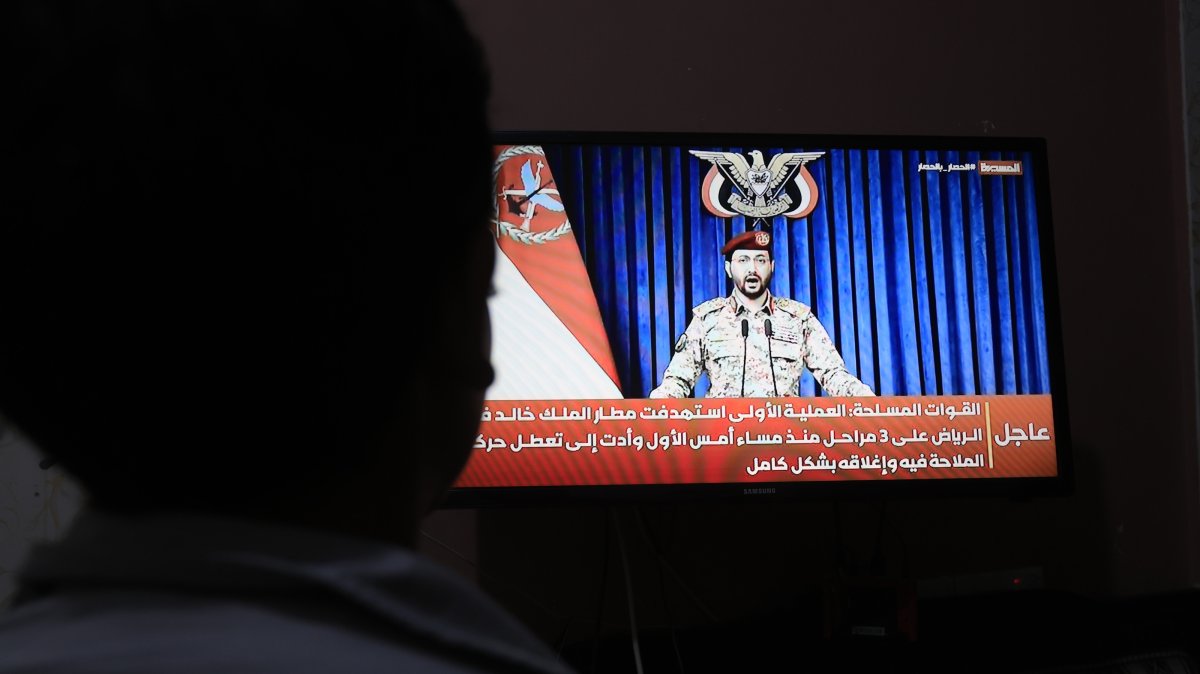
Both countries see Iran and its allies as major threats, including Yemen’s Houthi movement, which uses missiles and drones and threatens shipping in the Red Sea.
Saudi Arabia also faces risks to its energy facilities and export routes, while Israel has experience tracking Houthi activity.
Israel may share intelligence with Saudi Arabia about the group, but the countries have not announced formal relations.

Israel and Saudi Arabia share security concerns despite having no formal diplomatic ties.
Both countries view Iran and its allies as major threats, while the Houthi militia has become a shared security problem.
The Houthis threaten regional targets and international shipping in the Red Sea with missiles and drones.
Plans for a US-brokered agreement linking relations with Israel, security guarantees for Saudi Arabia and support for a Saudi civilian nuclear programme were derailed by the October 7, 2023, Hamas attack and the subsequent Gaza war.
Saudi Arabia says normalisation requires a credible path to an independent Palestinian state based on the 1967 borders, with East Jerusalem as its capital.
- Who
- Israel and Saudi Arabia.
- What
- The countries share security concerns, especially about Iran and the Houthis, despite lacking formal ties.
- When
- The article describes developments from 2019 through 2026.
- Where
- Israel and Saudi Arabia, with security concerns extending to Yemen and the Red Sea.
- Why
- Both countries face threats from Iran and its allies, including Houthi missile and drone attacks.
This story does not have two clearly opposing sides.
Attacks on Saudi oil facilities exposed the kingdom’s vulnerability.
Media reports said Israeli Prime Minister Benjamin Netanyahu and Saudi Crown Prince Mohammed bin Salman had met in Saudi Arabia, though the meeting was not officially confirmed.
The United States negotiated a proposed agreement involving diplomatic ties, security guarantees for Saudi Arabia and support for a Saudi civilian nuclear programme.
The Hamas attack and the subsequent Gaza war derailed the normalisation plans.
Israeli airstrikes killed several Houthi leaders, according to the article.
- Formal ties
- Saudi Arabia does not officially recognise Israel.
- Shared threat
- Iran and its allies
- Houthi weapons
- Missiles and drones
- Saudi Palestinian condition
- A credible path to an independent state based on the 1967 borders, with East Jerusalem as its capital
- Proposed US-brokered deal
- Diplomatic ties, US security guarantees for Riyadh and support for a Saudi civilian nuclear programme
- Red Sea route
- Saudi Arabia’s East-West Pipeline carries oil exports toward the Red Sea
Sources
Related news
Saudi Arabia reports new missile and drone threats as Riyadh airport stays shut
Trump criticizes Houthis over increased attacks on Saudi Arabia
Turkey urges global action on energy security and climate ahead of COP31
Qatar Airways suspends flights to Riyadh and Dammam after airport attacks

Israeli security forum head warns of Turkey’s growing regional influence
Riyadh attack disrupts some flights connected to Indonesia
Burnham says Iran’s Revolutionary Guard likely directed Fairford plot
Trump says Russia and China are not helping Iran
Houthis claim missile attack on Riyadh airport and drone strike on Saudi air base
Experts urge parents to prepare children for possible execution livestream

Bus-truck crash in western Turkey kills 11 and injures 27
