Health · Medical Research · 1 hr ago
Aspirin linked to lower dementia risk in older adults with a genetic profile
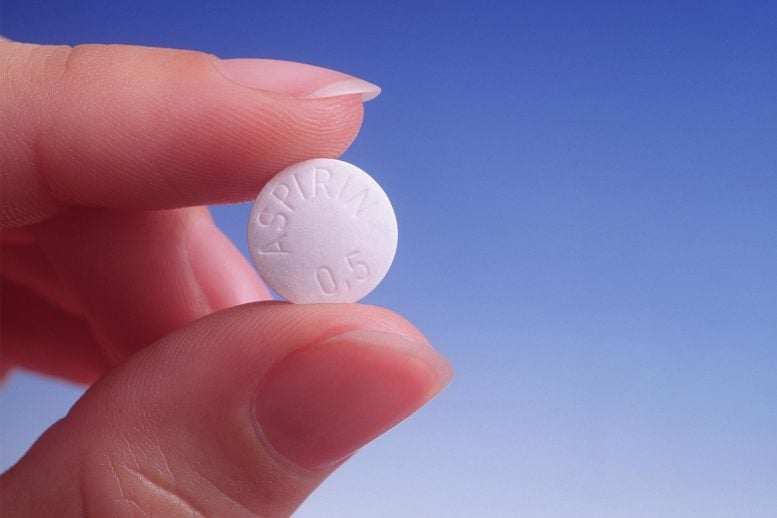
Researchers at Monash University analyzed genetic data from more than 13,500 older adults in the ASPREE trial, which compared aspirin with a placebo.
A particular platelet-related genetic profile was linked to lower dementia risk with aspirin: among people in the highest fifth for this profile, 1% of aspirin recipients developed dementia, compared with 3.3% of those given a placebo.
That is about a 70% lower relative risk, but the difference in actual cases was 2.3 percentage points.
Serious bleeding was also more common in this group, affecting 4.4% of aspirin recipients and 2.1% of placebo recipients.
The results may help researchers understand whether platelet biology is involved in dementia and whether prevention could be tailored to a person’s genetic profile.
The finding is not yet a treatment recommendation because it needs confirmation in other studies and a trial designed for people with this profile.
Researchers caution that people should not start taking aspirin to prevent dementia without consulting a doctor.

A Monash University analysis found that low-dose aspirin was linked to about a 70 percent lower relative risk of dementia among older adults with a particular genetic profile.
The finding came from genetic data for more than 13,500 participants in the ASPREE Trial.
In the highest 20 percent for a genetic score associated with platelet count, dementia developed in 1 percent of aspirin recipients and 3.3 percent of placebo recipients.
Major bleeding was also more common in this group, affecting 4.4 percent of aspirin recipients and 2.1 percent of placebo recipients.
Researchers said the result needs confirmation and warned people not to take aspirin to prevent dementia based on this study without consulting a doctor.
- Who
- Older adults with a particular genetic profile in the ASPREE Trial.
- What
- A Monash University analysis linked low-dose aspirin to about a 70 percent lower relative risk of dementia in this group, alongside a higher risk of major bleeding.
- When
- The analysis was published on 2026-10-13.
- Where
- The analysis was conducted by researchers at Monash University; the trial participants’ location is not stated.
- Why
- Researchers investigated whether inherited differences could help explain who might benefit from aspirin.
This story does not have two clearly opposing sides.
Researchers examined genetic data from more than 13,500 ASPREE Trial participants and compared dementia outcomes among those assigned aspirin or a placebo.
The Monash University analysis was published in Alzheimer’s & Dementia: The Journal of the Alzheimer’s Association.
- Study participants
- More than 13,500 ASPREE Trial participants
- High platelet-count genetic score group
- Highest 20 percent of participants
- Dementia cases
- 1 percent of aspirin recipients; 3.3 percent of placebo recipients
- Major bleeding cases
- 4.4 percent of aspirin recipients; 2.1 percent of placebo recipients
- Publication date
- 2026-10-13
What people are saying
Our findings suggest there may be more to the story. In people with this particular genetic profile, we saw substantially fewer cases of dementia among those taking aspirin.
We now need to confirm the finding in other studies and ultimately test it in a trial designed specifically for people with this genetic profile.
Sources
Related news

Pope Leo has surgery scheduled to remove a lung nodule

Large study finds abrupt shifts in health markers at menopause

Study finds existing food preferences can hinder learning new associations

Small trials suggest semaglutide may reduce some measures of alcohol use
US man nearly dies after eating large amounts of beetroot

Rudy Tanzi may be close to a pill to prevent Alzheimer’s

Maternal cells found in children’s brains may persist into old age

Gene-targeted treatment shrinks tumours in some advanced cancers

Fertility doctors explain what happens after eggs are frozen

Women describe side effects of hormones used for egg freezing

Pope Leo XIV to have lung nodule removed in surgery this week