

Health · Fitness & Nutrition · 9 hrs ago
Modern homes may disrupt sleep by limiting nighttime cooling
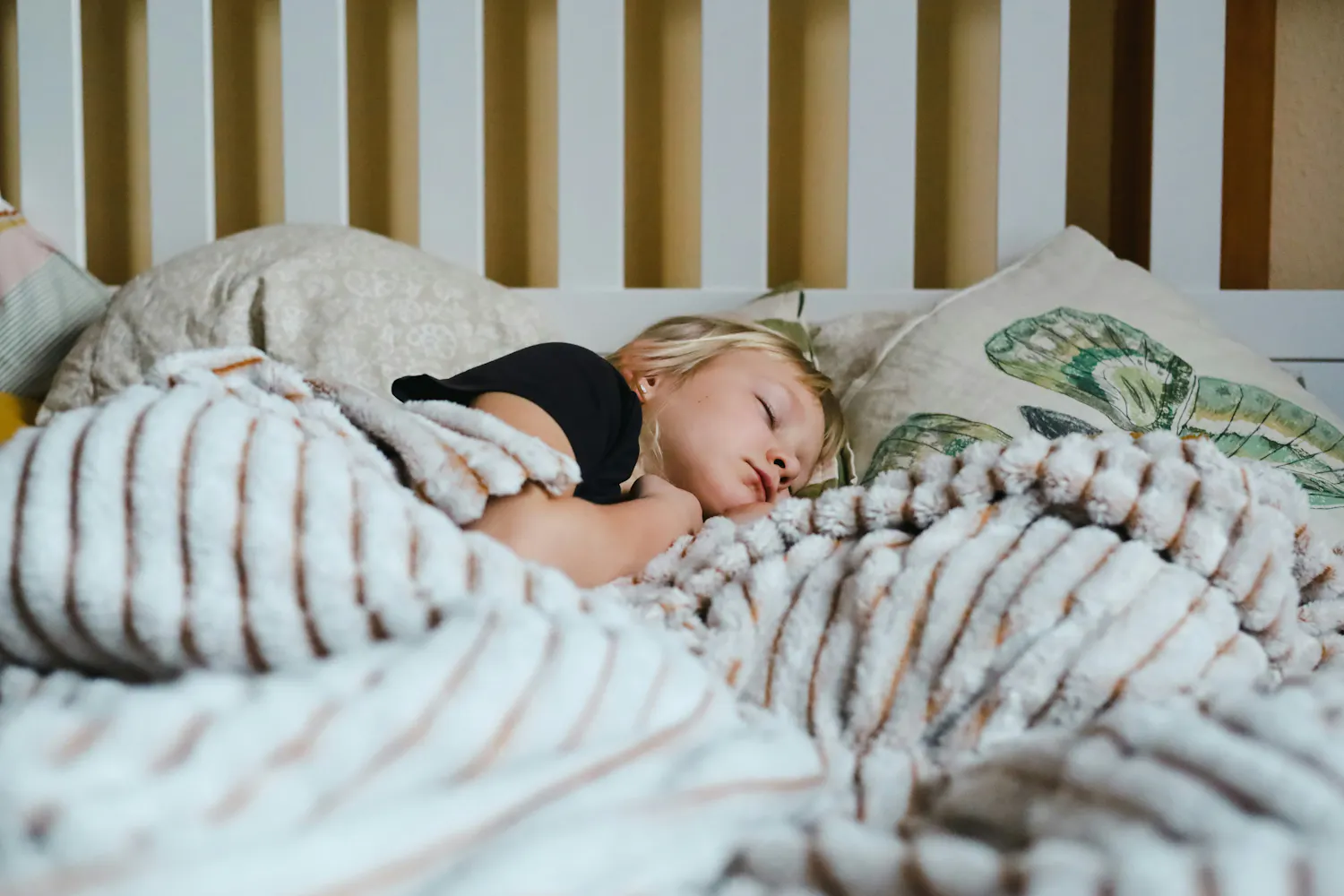
Light has long been seen as the main influence on the body’s biological clock.
New research and observations from non-industrialized societies suggest that ambient temperature matters at least as much for sleep rhythms.
The story focuses on modern homes that do not cool down enough at night.
It says this lack of cooling can disrupt sleep and lead to insomnia.
This suggests that indoor temperatures may affect sleep, not just light levels.
The story does not say what changes people or builders should make next.

Modern homes may disrupt sleep by limiting nighttime cooling.
A lack of nighttime cooling is linked in the headline to insomnia.
For years, light was assumed to be the main driver of the biological clock.
New research and insights from non-industrialized societies suggest ambient temperature plays at least as large a role in sleep rhythms.
- Who
- People whose sleep may be affected by modern homes.
- What
- Limited nighttime cooling may disrupt sleep and lead to insomnia.
- When
- Not stated
- Where
- Modern homes; no specific location is stated.
- Why
- The headline links a lack of nighttime cooling to insomnia.
This story does not have two clearly opposing sides.
No direct quotes in the coverage so far.
Light was assumed to be the main driver of the biological clock.
Research and insights from non-industrialized societies indicate that ambient temperature plays at least as large a role in sleep rhythms.
- Outlet
- BNR
- Published
- 2026-10-11 19:01 UTC
- Main factor
- Ambient temperature
- Comparison
- Temperature plays at least as large a role as light in sleep rhythms.
Sources
Related news

About 7,000 daily steps can bring major health benefits, study finds

Experts recommend sardines for nutrients linked to brain and bone health

Survey links sports club membership with physical strength
A blood sugar reading of 278 mg/dL is high and should be rechecked

Japanese study links enclosed streetscapes with better sleep

Stress reactions can develop into fractures in runners
Peanuts or pistachios: Which is better for your health?

Japan study warns children’s screen time may increase prolonged sitting
Study links fitness apps with shame and frustration for some users

Experts highlight a snack option for supporting muscle growth
Planning and portioning freezer foods can make healthy meals quicker
