

Science & Tech · Big Tech & Internet · 3 hrs ago
Court grants Apple access to some OpenAI documents in trade secrets case

A judge has granted Apple access to selected OpenAI records and testimony in Apple's trade secrets lawsuit against OpenAI.
Apple alleges that former employees Tang Yew Tan and Chang Liu took company secrets to benefit OpenAI; the allegations have not been decided in court.
Apple says they continued using work devices and services after leaving, and shared supplier information and unreleased hardware details.
OpenAI must provide forensic images, documents about interviews for its consumer hardware group, and Line conversations involving Chang Liu and another former Apple employee.
The judge rejected requests for some broad and burdensome information, including research on metal finishes, power management and batteries.
The court said early discovery could help Apple assess the alleged taking of secrets before they become involved in OpenAI's hardware or research.
OpenAI must provide the records before Apple questions the former employees, and the case has no verdict yet.

A judge granted Apple early access to some OpenAI documents and testimony in a trade secrets lawsuit.
The order requires defendants to provide forensic images, documents about interviews with Apple candidates, and certain LINE conversations.
Apple may depose three former Apple employees and corporate representatives from OpenAI and io Products.
The judge rejected early access to OpenAI research and development documents on metal finishes, power management, and battery functionality.
Apple alleges former employees improperly used confidential information to benefit OpenAI’s consumer hardware development, while OpenAI argued that Apple’s discovery demands were too broad.
- Who
- Apple, OpenAI, io Products, and former Apple employees Chang Liu and Tang Tan are involved. Judge Edward Davila issued the ruling.
- What
- The judge granted some of Apple’s requests for expedited discovery and rejected or postponed others.
- When
- October 13, 2026.
- Where
- Not stated.
- Why
- Apple seeks early evidence to assess alleged trade secret misappropriation and support its request for a preliminary injunction.
Apple
OpenAI
Expedited discovery
Apple
Apple sought early access to documents, forensic evidence, and testimony to assess alleged misappropriation.
OpenAI
OpenAI argued Apple’s demands were overly broad and expedited discovery was unnecessary because regular discovery was about to begin.
Scope of requests
Apple
Apple sought information it said was relevant to its claims, including research and development documents on hardware features.
OpenAI
The court found some requests too broad or burdensome and rejected early access to research and development documents on metal finishes, power management, and battery functionality.
Apple filed a trade secrets lawsuit against former employees and OpenAI, according to AppleInsider.
Judge Edward Davila partly granted Apple’s requests for expedited discovery.
Apple has five days to consult with defendants and submit a narrower definition of “Apple Originated Information,” if it wishes.
- Ruling date
- October 13, 2026
- Judge
- Edward Davila
- Forensic evidence
- Defendants must turn over forensic images collected in connection with Apple’s claims.
- LINE conversations
- The order covers conversations between Chang Liu and Yu-Ting “Alyssa” Peng since January 1, 2026.
- Rejected early discovery
- Research and development documents on metal finishes, power management, and battery functionality.
2 sources
Related
Apple unveils HomeView, a family-focused smart home display
1 hr ago · 34 sources

Microsoft creates Xbox Labs to test new gaming ideas and technologies
4 hrs ago · 7 sources

Google Play lets users run private AI-made Android apps
1 hr ago · 4 sources

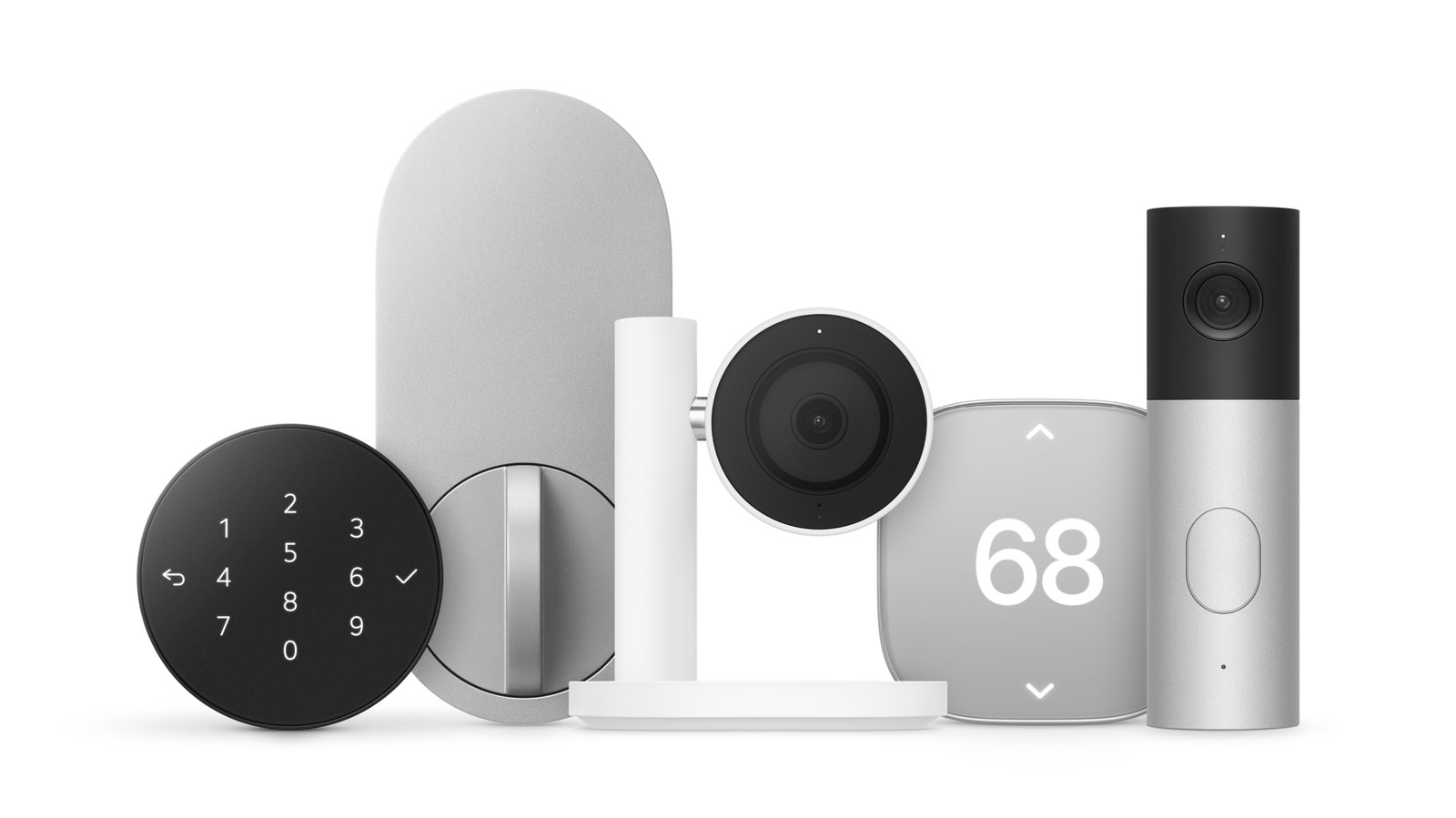
Apple unveils smart home devices with LG and Schneider Electric
4 hrs ago · 12 sources
What people are saying
Apple needs early discovery to uncover the scope of any alleged misappropriation of Apple's trade secrets
amorphous as currently defined