

Business · Economy · 4 hrs ago
IMF warns poorer countries may need spending cuts or debt restructuring
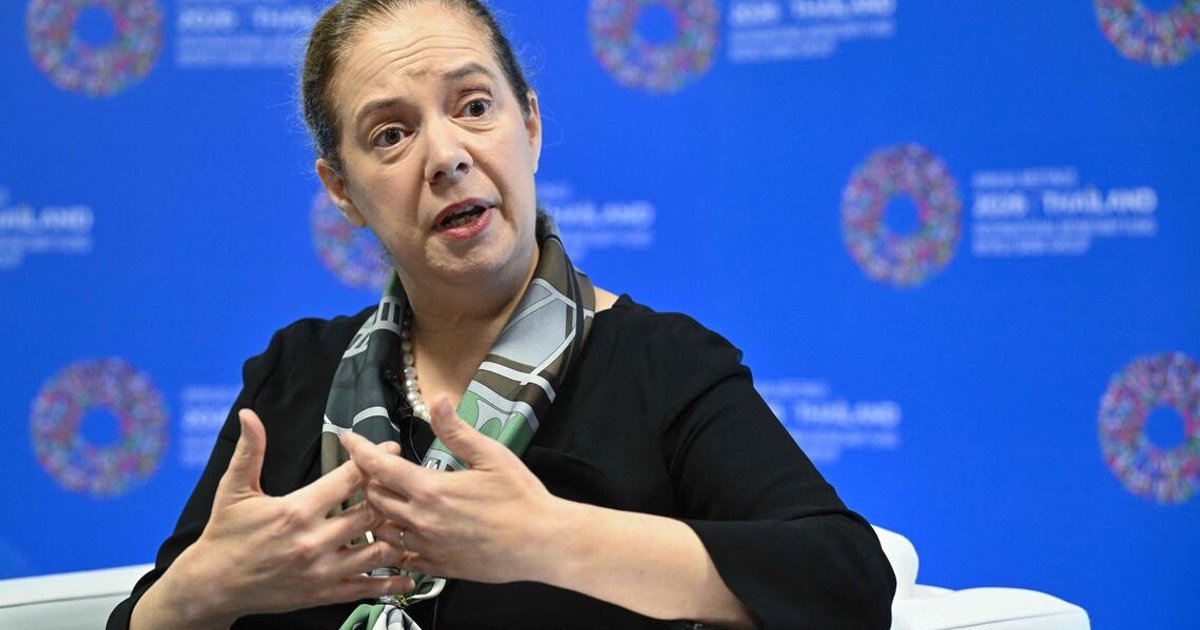
The IMF says many low-income countries may have to cut spending as an energy crisis pushes up costs.
The warning was made at the IMF’s Annual Meetings in Bangkok on October 13 by deputy research director Petya Koeva Brooks.
The crisis follows the war involving Iran, which has disrupted oil and gas supplies and raised global energy prices.
Countries that import oil and have heavy debt are especially exposed, because energy and food make up a large share of household spending.
Years of economic shocks have also left many low-income countries with high debt and inflation.
The IMF recommends narrowly targeted subsidies while governments work to rebuild financial reserves and manage debt.
It says countries with unsustainable debt should seek timely restructuring, rather than wait for costs to rise.

The International Monetary Fund warned that many low-income developing countries may have to cut spending or restructure debt as they face the effects of an energy shock linked to the Iran war.
Heavily indebted oil-importing countries are among the hardest hit, with rising energy and food costs adding to existing debt and inflation pressures.
IMF deputy research director Petya Koeva Brooks said many low-income countries were already in debt distress or close to it.
The IMF said countries whose debt is unsustainable should seek orderly and timely restructuring rather than delay.
The fund urged governments to use narrow, targeted subsidies while rebuilding fiscal buffers and addressing rising debt.
- Who
- The IMF and low-income developing countries, especially heavily indebted oil importers.
- What
- The IMF warned that many may need to cut spending or restructure debt in response to the energy shock.
- When
- October 13, 2026.
- Where
- The warning was made during the IMF and World Bank Annual Meetings in Bangkok, Thailand.
- Why
- The Iran war-fuelled energy shock has raised energy prices and affected other goods, while many countries already face high debt and inflation.
This story does not have two clearly opposing sides.
Conflict and retaliatory actions curtailed oil and gas supplies, sending global energy prices soaring.
The IMF released its World Economic Outlook, identifying vulnerable low-income net oil importers.
Petya Koeva Brooks told AFP in Bangkok that many low-income countries may have to cut spending or seek debt restructuring.
- IMF official
- Petya Koeva Brooks, deputy director of research
- Warning date
- October 13, 2026
- Meeting location
- Bangkok, Thailand
- Advanced economies growth forecast
- 2.1% in 2026
- Potential GDP forecast impact
- Up to 0.4% lower in 2028 in the IMF’s worst-case AI scenario
What people are saying
But unfortunately there is no other choice.
Where debt is not sustainable, then resolving that debt and having orderly and timely restructuring is always better than waiting, because then the cost of restructuring down the road is going to be much higher.
Unfortunately, after years of the global economy being hit by shock after shock, debt levels have increased quite a lot, and at the same time, inflation has become a problem.
For those countries that are most vulnerable, this is where the consumption basket is heavily weighted towards energy and food, and so indeed it is much much more difficult.
Sources

Related news

Robert Hall and Michael Woodford win 2026 economics prize

IMF warns Latin America to watch inflation as growth slows

Global stock markets show no clear direction as oil prices fall

Chip stocks fall as investors weigh AI spending and Chinese competition

Global debt tops $365 trillion, increasing pressure on governments
IMF lifts 2026 global growth forecast as AI investment offsets energy shock

Altcoins fall as crypto-market optimism fades

Chipmaker concerns weigh on world stocks as bonds rise
Oil prices dip as expected Russian diesel supplies offset Gulf risks

Zenyum parent MakeO raises $10 million for Asian expansion

Holafly launches travel subscription with data and health support
