Health · Mental Health · 16 hrs ago
Knowing Partners’ Attachment Styles May Reduce Relationship Misunderstandings

A couples therapist says understanding both partners’ attachment styles can help reduce misunderstandings in romantic relationships.
Attachment styles shape how people respond to emotional stress, but a partner’s motives can be hard to know from their behavior alone.
Someone may assume a partner’s silence means they do not care, even when that conclusion is mistaken.
The therapist says avoidant partners may withdraw when faced with strong negative emotions.
By contrast, anxious partners may express distress more intensely, through complaints, tears or accusations.
Misreading these reactions can lead to responses that deepen conflict and create the behavior someone fears.
The therapist says identifying attachment styles can help couples understand these patterns and look for solutions, without excusing or accepting harmful behavior.

Knowing each partner’s attachment style may help couples avoid misreading each other’s behavior, Psychology Today reports.
The article says people may interpret ambiguous behavior as evidence that a partner does not care.
Such faulty explanations can prompt reactions that worsen relationship conflict and distress.
Understanding attachment styles can help partners interpret behavior and find solutions, the article says.
The article describes avoidant partners as tending to withdraw and anxious partners as expressing distress through complaints, tears or accusations.
- Who
- Romantic partners and couples.
- What
- The article says knowing each partner’s attachment style may reduce faulty interpretations of behavior and relationship conflict.
- When
- Not stated
- Where
- Not stated
- Why
- Ambiguous behavior can be misread as intentional or uncaring, leading to reactions that worsen distress.
This story does not have two clearly opposing sides.
This story does not have a timeline yet.
- Outlet
- Psychology Today
- Published
- 2026-10-12 19:08 UTC
- Avoidant response
- May withdraw or become emotionally flat when confronted with strong negative emotions
- Anxious response
- May express distress through loud complaints, tears or accusations
What people are saying
Knowing what your and your partner’s attachment styles are can prevent faulty attributions, “normalize” each person’s behaviors, and help you find solutions in your relationship.
Faulty attributions in relationships lead to self-fulfilling prophecies that make it much more likely you will get the exact behavior that you don’t want.
Sources
Related news
Man recounts recovery from severe head injury in a book

Putting distance between yourself and your phone can help reclaim attention

Boreout links workplace boredom to emotional distress

Study links language patterns in life stories to psychopathic traits
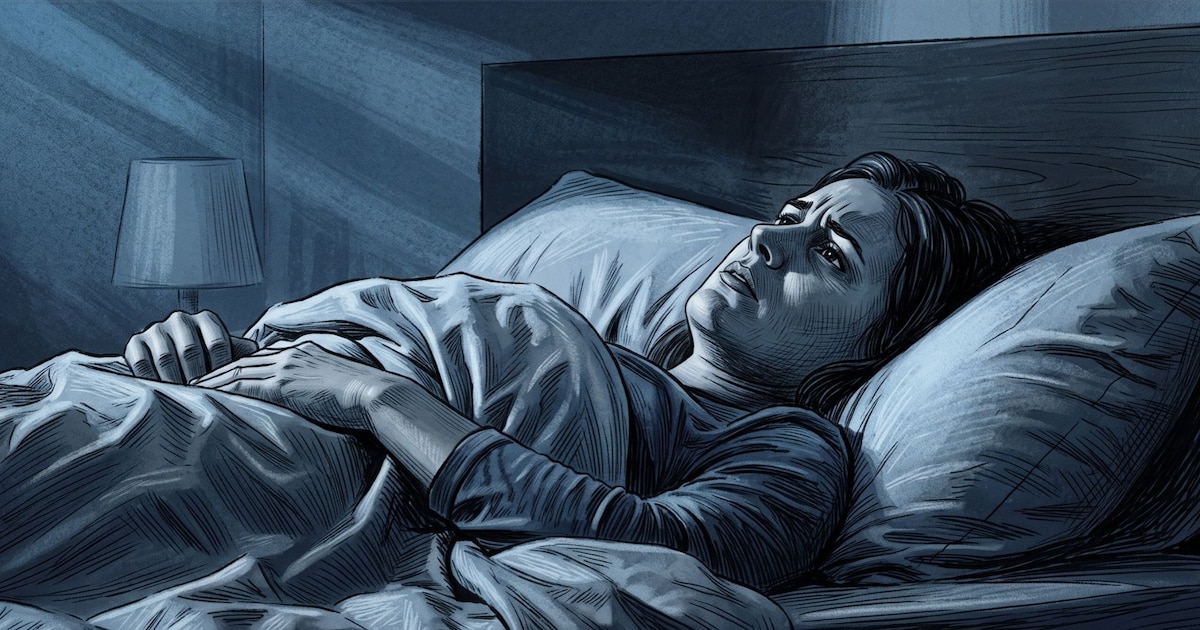
When anxiety symptoms may call for professional help

Study links cannabis-related anxiety in mice to central amygdala neurons
Source text does not contain the reported story

A Career Decision Shows the Balance Between Risk and Familiarity
Experts answer questions about the manosphere and its influence on young men

Setting clear goals can help people make lasting personal changes

Twin study links recreational screen use with later mental health symptoms