Politics · Netherlands · 1 day ago
Dutch furniture makers to fund collection and recycling by 2030
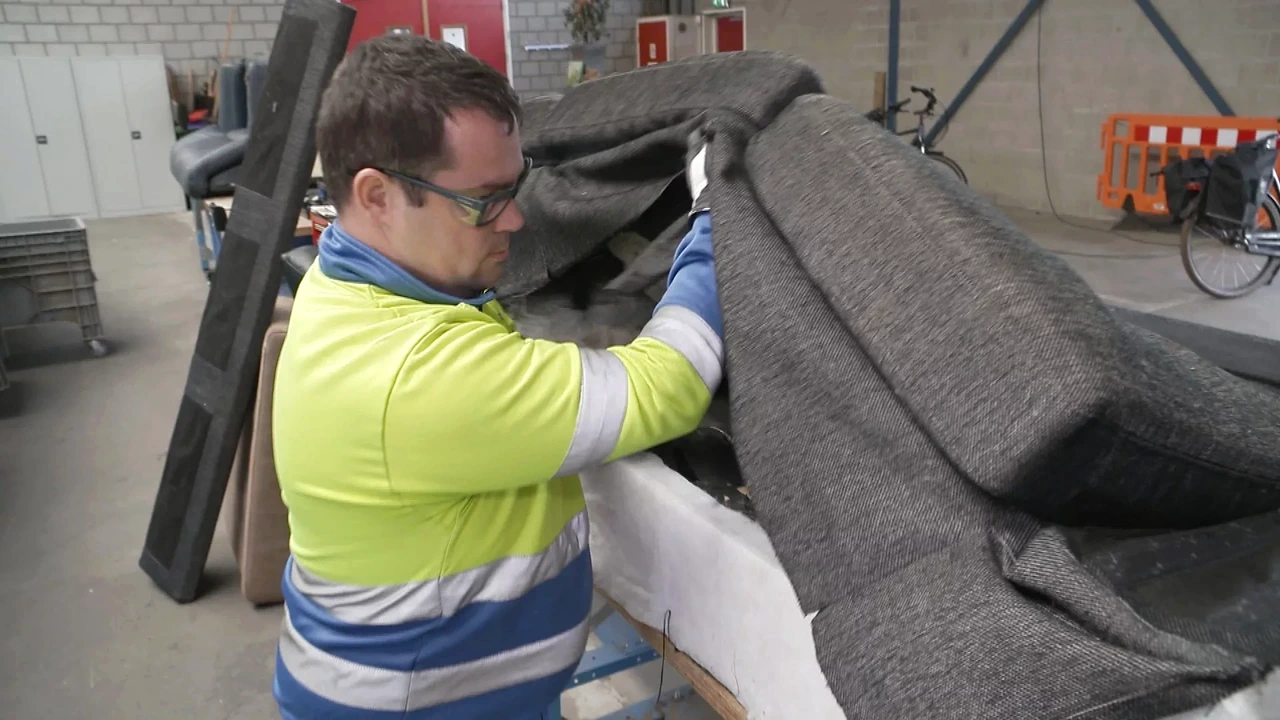
Most discarded furniture in the Netherlands is currently burned, even though it contains materials such as wood, metal, fabric and foam that can often be reused.
The government plans to make furniture manufacturers and importers responsible for collecting and recycling or reusing the products they sell, by 2030 at the latest.
A first draft plan is expected this autumn.
Some local authorities have already set up facilities to take furniture apart and recover materials.
Recovered plastic can be made into items such as beer crates, while wood can be used for new bathroom furniture.
The change is intended to encourage companies to make furniture that lasts longer and is easier to repair and take apart.
It could also reduce waste-burning costs that feed into household waste fees.
Furniture industry groups support the policy but say it should be workable and based on information about what can be recycled economically.

The Dutch government plans to make furniture makers and importers responsible for collecting and recycling or reusing the furniture they sell by 2030.
The policy is intended to reduce the amount of discarded furniture sent to incinerators and encourage products that are easier to repair and recycle.
The government expects to have an initial draft plan ready this autumn.
Some municipalities have already set up furniture dismantling facilities, with six operating across the Netherlands.
Furniture materials such as wood, metal, textiles and foam can often be reused.
- Who
- Furniture manufacturers and importers will be made responsible for collecting and recycling or reusing their products.
- What
- The Netherlands plans to require producers to fund the collection and recycling or reuse of discarded furniture.
- When
- The responsibility is to take effect by 2030. The government expects an initial draft plan this autumn.
- Where
- The Netherlands.
- Why
- Much discarded furniture is currently incinerated, although its materials can often be reused. The policy is also intended to encourage longer-lasting, repairable furniture.
This story does not have two clearly opposing sides.
Most furniture that arrives at the recycling centre eventually ends up in the incinerator.
The less we have to burn, the lower the waste disposal levy.
That creates an incentive for producers to make furniture that is easier to take apart, better to repair and reuse, and lasts longer.
Some municipalities and public waste companies began setting up furniture dismantling facilities.
The government expects to have an initial draft plan ready.
Furniture producers and importers are to become responsible for collection and recycling or reuse of their products.
- Annual new furniture sold
- About 2 billion kilograms in the Netherlands
- Discarded furniture given a second life
- 260 million kilograms a year
- Dismantling facilities
- Six across the Netherlands
- Producer responsibility deadline
- By 2030
- Recycled plastic uses
- Beer crates and shopping baskets
Sources
Related news

Rotterdam’s approach is described as worth following

Twenty asylum seekers sleep outside in rain at Ter Apel centre

Dutch cabinet apologizes to Q fever patients for years of inadequate support

Rainbow flags raised across the Netherlands, several stolen in Oldebroek

NSC party meeting ends in chaos as entire board resigns
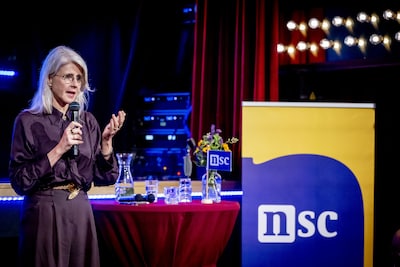
Mona Keijzer’s speech divides NSC members at party congress

Dutch parliament votes to raise rainbow flag on Coming Out Day

Headline says NAM and Tenaz are not closely linked

Experts question whether proposed self-employment law will prevent false self-employment

City officials seek property investors to help fund construction

Local politicians in Groenlo discuss how to reward demanding public service