Politics · Netherlands · 1 day ago
Oldebroek ends LGBTQ+ policy as residents raise rainbow flag
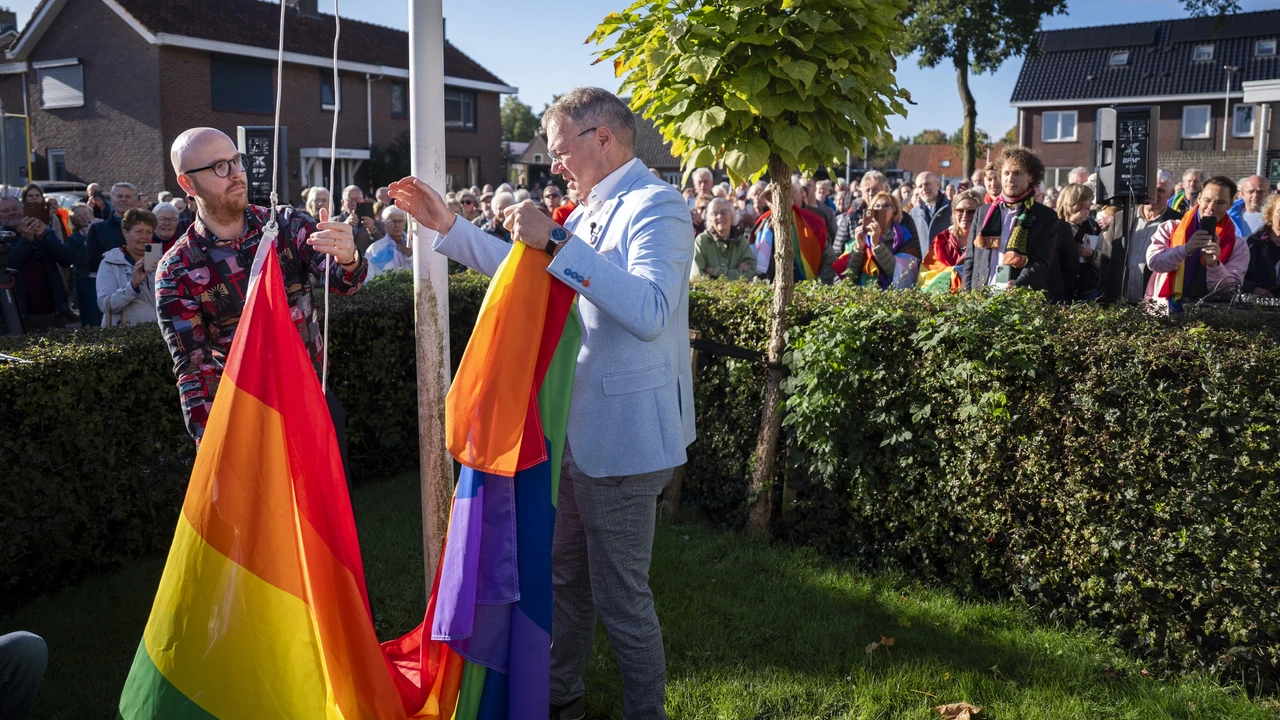
Residents gathered at the Kruiskerk in Wezep, in the Dutch municipality of Oldebroek, to raise the rainbow flag ahead of International Coming Out Day.
The town hall will not raise the flag this year, and the municipal council has formally ended the municipality’s LGBTQ+ policy.
The policy, introduced in 2021, aimed to improve acceptance and safety, including by requiring schools, sports clubs and music schools to give more attention to LGBTQ+ acceptance.
Residents have distributed and displayed hundreds of rainbow flags in protest.
Some people support the municipality’s decision, saying one national flag is enough or that no single group should be singled out.
Mayor Tanja Haseloop-Amsing said the decision was not a rejection of the LGBTQ+ community and that local leaders want to discuss how people can live together.
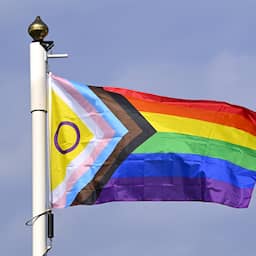
Separately, the Dutch parliament voted to fly the rainbow flag at its building during Coming Out Day, with 90 members in favour and 36 against.

Oldebroek has ended its LGBTQ+ policy and stopped raising the rainbow flag at the town hall.
Dozens of residents gathered at the Kruiskerk in Wezep to raise the flag in protest.
The policy repeal was made official at a municipal council meeting last week.
The municipality says ending the policy is not a rejection of the LGBTQ+ community.
The decision has drawn support and criticism from residents.
- Who
- Oldebroek’s municipal government ended the policy. Residents gathered to raise the rainbow flag.
- What
- The municipality ended its LGBTQ+ policy and stopped raising the rainbow flag at the town hall.
- When
- The council made the repeal official last week. Residents raised the flag on October 10, 2026.
- Where
- Oldebroek, in the Netherlands, including the Kruiskerk in Wezep.
- Why
- The new governing coalition said it would not raise a separate rainbow flag and would withdraw the LGBTQ+ policy. It said everyone is united under the flags of Oldebroek and the Netherlands.
Residents supporting the rainbow flag
Residents opposing the separate rainbow flag
Purpose of the flag
Residents supporting the rainbow flag
Supporters say raising it shows LGBTQ+ people are included and valued.
Residents opposing the separate rainbow flag
Opponents say one flag for the Netherlands is sufficient, or that highlighting one group is unnecessary.
Municipal policy
Residents supporting the rainbow flag
Supporters protested the end of the policy and the town hall flag raising.
Residents opposing the separate rainbow flag
The new coalition withdrew the policy; the mayor said this was not a rejection of the LGBTQ+ community.
The rainbow is not an anti-Christian symbol, but a very Christian symbol.
This College and the council have said: we want to enter into dialogue to see how we can live together going forward.
One flag for the Netherlands is sufficient.
I think it is very important that the flag is there.
Oldebroek adopted a plan to improve LGBTQ+ acceptance and safety.
Christelijk Verbond Oldebroek won the municipal elections and formed a coalition with the SGP and Algemeen Belang Oldebroek.
The municipal council formally ended the LGBTQ+ policy.
Residents distributed and hung hundreds of rainbow flags in protest.
Dozens of people gathered at the Kruiskerk in Wezep to raise the rainbow flag.
International Coming Out Day was due to take place.
- Policy plan
- Adopted in 2021 to improve LGBTQ+ acceptance and safety
- Coalition parties
- Christelijk Verbond Oldebroek, SGP and Algemeen Belang Oldebroek
- Protest gathering
- Kruiskerk, Wezep
- Protest flags
- Hundreds distributed and hung by residents
- Coming Out Day
- October 11, 2026
Sources
Related news
Twenty asylum seekers sleep outside in rain at Ter Apel centre

Dutch cabinet apologizes to Q fever patients for years of inadequate support

Rotterdam’s approach is described as worth following
Rainbow flags raised across the Netherlands, several stolen in Oldebroek
NSC party meeting ends in chaos as entire board resigns

Mona Keijzer’s speech divides NSC members at party congress
Dutch parliament votes to raise rainbow flag on Coming Out Day

Headline says NAM and Tenaz are not closely linked

Experts question whether proposed self-employment law will prevent false self-employment

City officials seek property investors to help fund construction

Local politicians in Groenlo discuss how to reward demanding public service