

Business · Companies · 14 hrs ago
Tax competition is shifting toward attracting real investment

Countries have often competed for company profits by offering lower taxes, even when the businesses and jobs behind those profits were elsewhere.
An IMF study published in October 2026 found that reported profits have become less sensitive to tax differences, while real investment has become more sensitive.
It estimated that a corporate tax rate one percentage point higher than those of competing countries is linked to foreign investment flows cumulatively equal to about 0.5% of GDP less over three years.
The story points to the United Kingdom, which raised its main corporate tax rate in April 2023 but offered an immediate deduction of up to 100% for some eligible new machinery and equipment.
It says tax incentives can encourage new projects, but can also shift planned investment between countries without adding as much to global production.
For Saudi Arabia, the argument is that infrastructure, skills, energy, logistics and access to markets can make investment worthwhile beyond any tax incentive.
The next challenge is to attract projects that build lasting local value, including suppliers and development centers, rather than relying on incentives alone.

A recent International Monetary Fund study found that companies’ reported profits have become less sensitive to tax differences, while real investment has become more sensitive.
The study estimates that a one-percentage-point increase in corporate tax relative to competitor countries is linked to a cumulative fall in foreign investment flows of about 0.5% of GDP over three years.
The article says international rules aimed at limiting profit shifting are making competition between countries more focused on where companies invest and operate.
It argues that investment incentives can attract new projects but may also shift existing or planned investment between countries without increasing global productive capacity.
The article says Saudi Arabia can draw on its market, location, energy supply and logistics system to attract investment that remains viable beyond tax incentives.
- Who
- Governments competing to attract multinational companies’ investment.
- What
- Tax competition is shifting from attracting reported profits toward attracting real investment and productive activity.
- When
- An International Monetary Fund study published in October 2026 found this shift.
- Where
- The article discusses international competition and uses Britain and Saudi Arabia as examples.
- Why
- Rules aimed at limiting cross-border profit shifting have reduced the importance of tax differences for reported profits, while investment decisions remain sensitive to taxes.
This story does not have two clearly opposing sides.
No direct quotes in the coverage so far.
Britain raised its main corporate tax rate from 19% to 25% and offered an immediate deduction of up to 100% for some qualifying new machinery and equipment.
An International Monetary Fund study reported that reported profits had become less sensitive to tax differences while real investment had become more sensitive.
- IMF study
- Published in October 2026
- Investment-flow estimate
- A one-percentage-point relative corporate tax increase is linked to a cumulative decline of about 0.5% of GDP over three years
- Britain’s main corporate tax rate
- Rose from 19% to 25% in April 2023
- British investment deduction
- Up to 100% for some qualifying new machinery and equipment
- Saudi Arabia
- The article highlights its location, market size, energy supply and logistics system as investment strengths
Sources
Related news

Saudi Arabia signs energy cooperation agreements with Kuwait, Qatar and Egypt
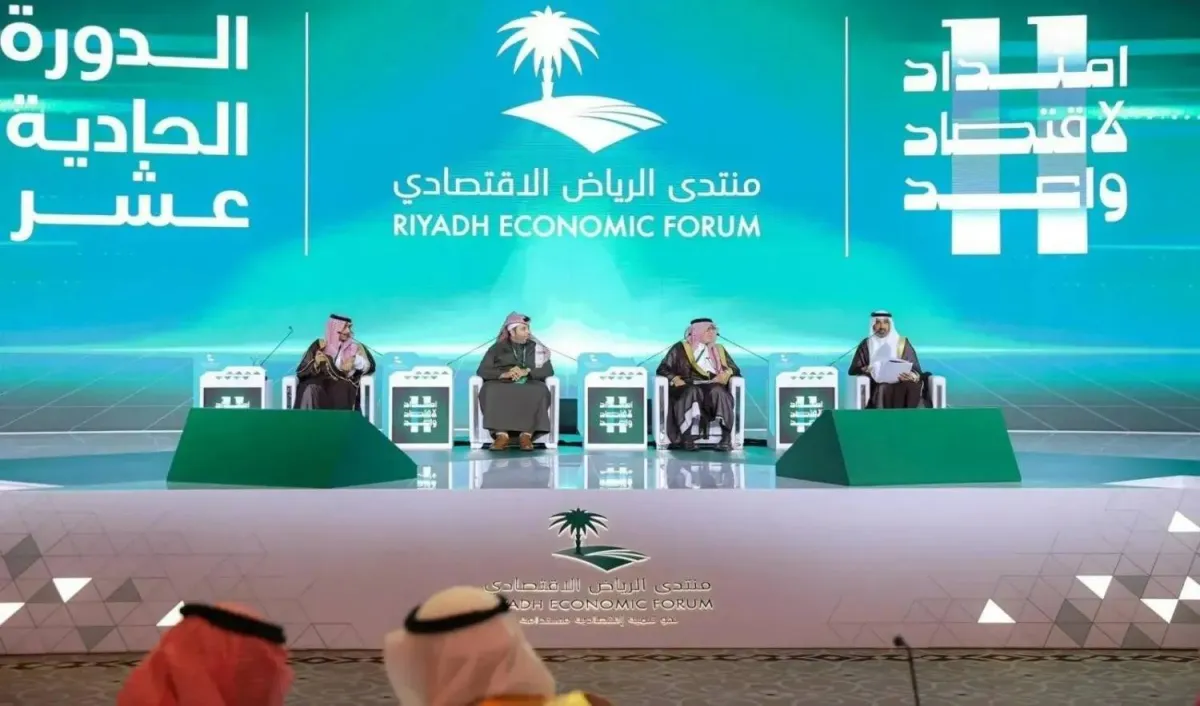
Riyadh Economic Forum to discuss five studies on Saudi priorities

Saudi industrial production fell 23.5% in August

UAE education company negotiates controlling stake in Saudi school operator

Costs put pressure on Al-Mutaqaddimah’s profits

Extra's profits decline

Provisions absorb most of Tasheel’s profits
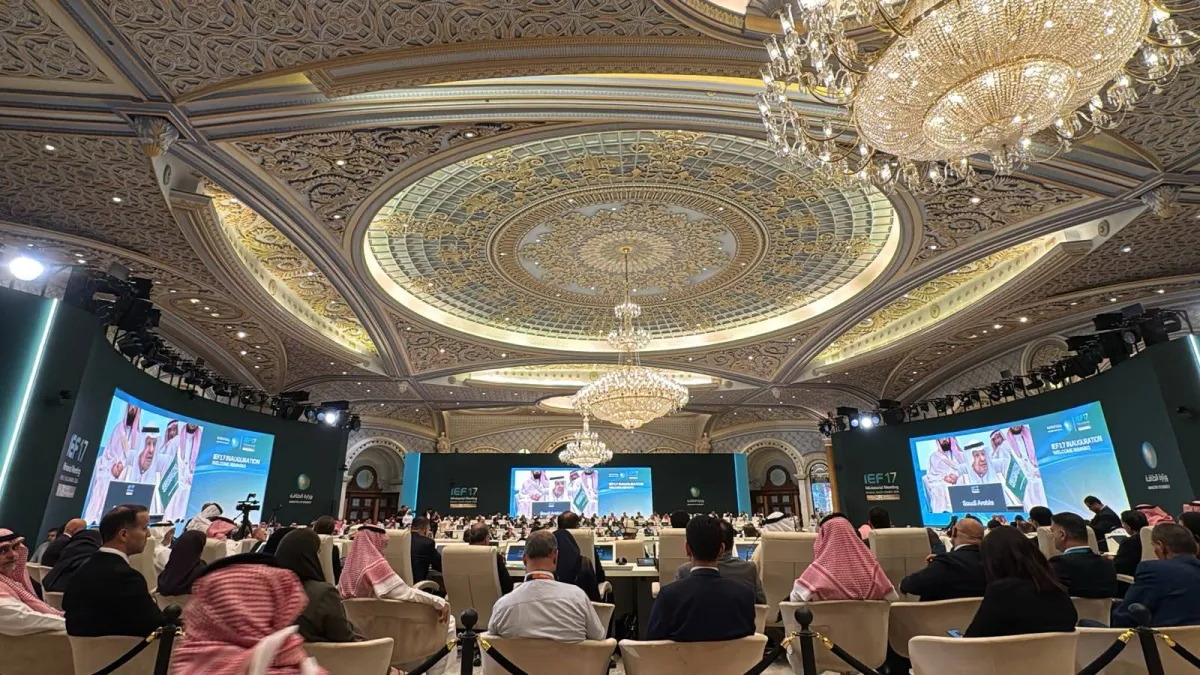
Saudi Energy Minister Calls Riyadh a Center of Energy Security
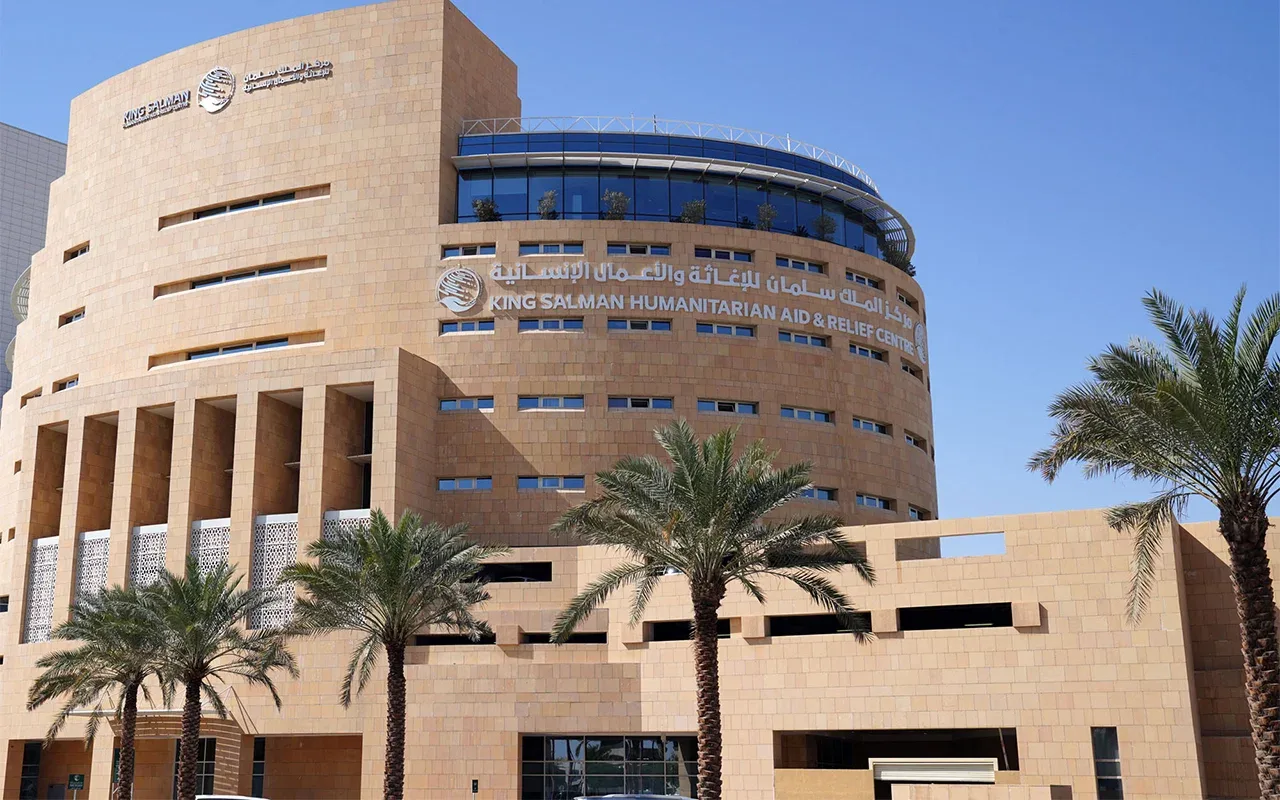
King Salman aid center named among 70 Saudi brands

Saudi Arabia plans more pipelines to protect energy exports

Al Eqtisadiah Honors Teams Behind Its First Annual Forum
