

2 hrs ago
MP High Court Orders Protection for Threatened Live-In Partners
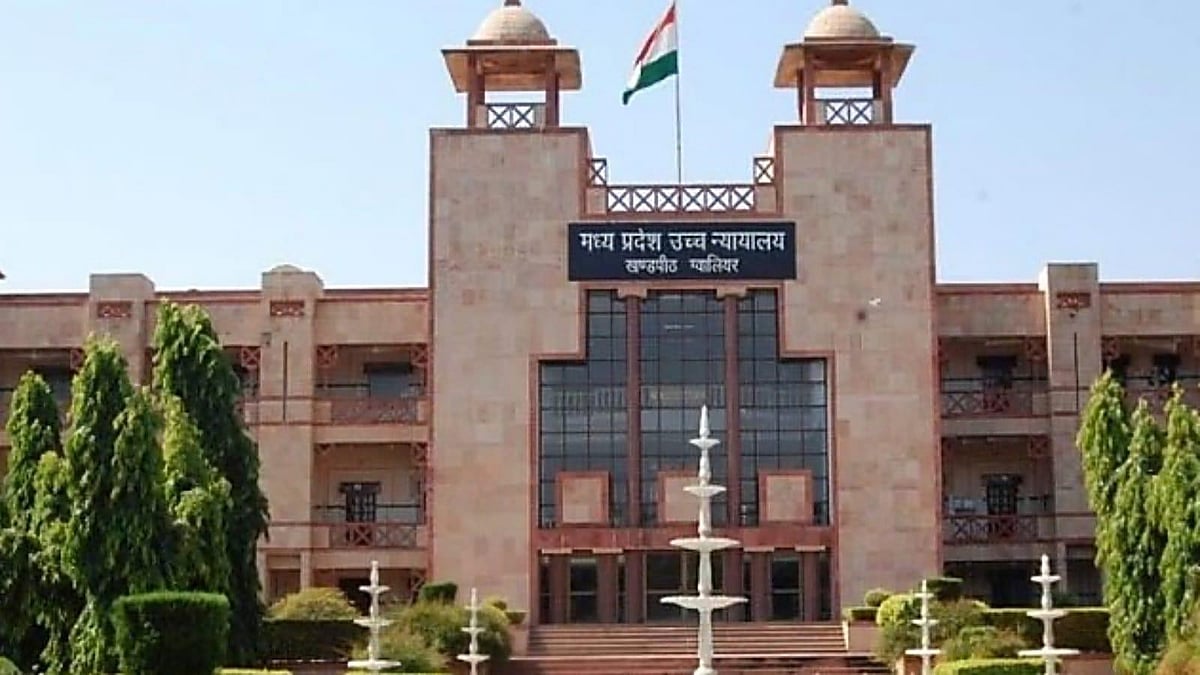
The Madhya Pradesh High Court considered a case involving two adults living together.
Their families reportedly opposed the relationship.
The couple said relatives had threatened their safety.
They asked the police and court for protection.
The court said adults can choose to live together, even without being married.
It said their choices should not be stopped through threats or violence.
Police were ordered to provide security.
The local police officer must also give the couple a phone number for emergencies.

The Indore bench of the Madhya Pradesh High Court said consenting adults may live together outside marriage.
Justice Sandeep N. Bhatt ordered authorities to protect Muskan Sen and her partner from alleged family threats.
The petitioners said relatives had threatened them with death and could harass or falsely implicate them.
The State argued that official protection for live-in relationships could harm social structures and promote promiscuous behavior.
The court directed police to provide security and share the relevant station house officer’s mobile number.
- Who
- Muskan Sen and other consenting adults seeking protection from hostile family members, with the State opposing the request.
- What
- The Madhya Pradesh High Court ordered police protection for live-in partners and affirmed consenting adults’ right to live together outside formal marriage.
- Where
- The ruling came from the Indore bench of the Madhya Pradesh High Court.
- When
- The verdict was delivered on Saturday; the article does not provide a calendar date.
- Why
- The petitioners alleged death threats and possible harassment or false implication by family members.
Petitioners and Court’s View
State’s Objection
Right to live together
Petitioners and Court’s View
The petitioners relied on the position that consenting adults have the legal right to live together even outside formal marriage, and the court said their choices must be protected.
State’s Objection
The State government advocate argued that granting official protection to live-in relationships could negatively affect societal structures.
Need for police protection
Petitioners and Court’s View
The petitioners said family members had issued death threats and posed a serious safety risk, warranting protection against harassment or false implication.
State’s Objection
The State opposed granting the requested protection, though the article does not identify a separate factual response to the alleged threats.
Social impact
Petitioners and Court’s View
The court emphasized personal liberty and protection from external coercion or violence, also noting legislative recognition of live-in relationships.
State’s Objection
The State argued that official protection could promote promiscuous behavior.
Key facts
- Court
- Indore bench of the Madhya Pradesh High Court
- Judge
- Justice Sandeep N. Bhatt
- Petition
- A writ petition filed by Muskan Sen and others
- Legal precedent
- The Supreme Court ruling in Nandakumar vs State of Kerala (2018)
- Legislative reference
- Protection of Women from Domestic Violence Act, 2005
- Police directive
- Authorities must provide necessary security and protection
- Emergency contact
- The concerned station house officer must share a mobile number with the petitioners
Sources
Related news

Indian Courts Vary on Protections for Live-In Couples

Allahabad High Court Orders Protection for Same-Sex Couple

Uttarakhand High Court Upholds Adults’ Right to Choose Partners

Amid Life Threats, Allahabad High Court Protects Interfaith Couple’s Rights

MP High Court Orders Protection for Woman Facing Family Pressure

High Court Protects 20-Year-Old Seeking Jain Sadhvi Life

Maharashtra’s Aheri Court Faces 31 UAPA Cases Amid Delays

NEET Debate Expands From Exam Standards to Federal Control

Aleti Maheshwar Reddy Files Caveat Against Danam Nagender Supreme Petition
