1 day ago
Tamil Nadu Enforces Camera-Phone Ban at 52 Temples
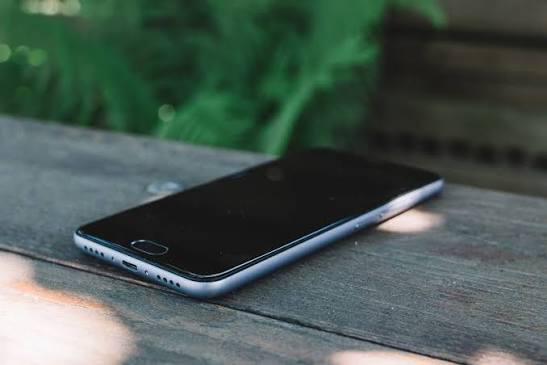
Tamil Nadu has started a new rule at 52 important temples.
Visitors cannot take phones with cameras inside.
Simple phones without cameras are still allowed.
The government says people were taking pictures, videos, selfies and reels inside the temples.
Officials believe this disturbed the peaceful atmosphere and sometimes affected other people’s privacy.
Visitors can leave their phones at special counters or in lockers.
At one Kanchipuram temple, storing a phone costs ₹5 and visitors receive a token for collection.
During large festivals, the storage areas may become crowded, so people are advised to leave camera phones elsewhere when possible.

Tamil Nadu’s Hindu Religious and Charitable Endowments Department has enforced a camera-phone ban at 52 major temples from Tuesday.
Basic mobile phones without cameras remain allowed inside the covered temples.
Officials said photographs, videos, selfies and social-media reels disrupted temple activities and affected devotees’ privacy.
Temples have introduced paid deposit counters and secure lockers, with a uniform fee of ₹5 per phone in at least the reported Kanchipuram implementation.
The policy follows Madras High Court directions, and officials face strict action if unauthorized temple footage is uploaded online.
- Who
- Tamil Nadu’s Hindu Religious and Charitable Endowments Department, temple authorities and devotees.
- What
- A restriction on carrying camera-enabled mobile phones into 52 major temples, while camera-free basic phones remain permitted.
- Where
- Major temples across Tamil Nadu, including the Devarajaswamy-Athi Varadar Temple in Kanchipuram and shrines in Chennai, Tiruchendur, Palani, Madurai, Tiruvannamalai and Rameswaram.
- When
- The ban came into effect on Tuesday; the minister had earlier announced that it would apply from September 1.
- Why
- To preserve the temples’ peaceful and spiritual atmosphere, address unauthorized photography and social-media filming, and reduce inconvenience and privacy concerns for devotees.
Reasons for the restriction
Practical concerns for visitors
Temple atmosphere and privacy
Reasons for the restriction
The government and temple authorities say photographs, videos, selfies and reels disturb the spiritual atmosphere, inconvenience devotees and can affect their privacy.
Practical concerns for visitors
Visitors who arrive with camera phones must deposit them before entering, creating an added step and possible inconvenience.
Phone-storage arrangements
Reasons for the restriction
Paid counters, lockers, token receipts and awareness notices provide a system for devotees to store their phones safely.
Practical concerns for visitors
Officials acknowledged that storage facilities could come under pressure during festivals and auspicious occasions, when some temples receive more than 50,000 devotees.
Enforcement approach
Reasons for the restriction
Authorities support clear entrance notices, public-address announcements and strict action against officials who allow unauthorized footage to be uploaded online.
Practical concerns for visitors
The articles do not report a separate organized opposition to enforcement, but the need for notices, counters and awareness campaigns indicates that implementation may require substantial visitor coordination.
Key facts
- Coverage
- The first phase applies to 52 major temples across Tamil Nadu.
- Restricted devices
- Mobile phones equipped with cameras cannot be carried into the covered temple premises.
- Permitted devices
- Basic mobile phones without camera facilities may be carried inside without restriction.
- Storage fee
- A uniform token fee of ₹5 per phone is charged at the reported deposit counters.
- Storage process
- At the Kanchipuram implementation, staff record the devotee’s photo, phone model and number, then return the device against an acknowledgement slip.
- Storage capacity
- Facilities at major temples can store up to 20,000 phones.
- Legal basis
- The directions follow a December 2, 2022 order from the Madurai Bench of the Madras High Court, issued after a public-interest case concerning Tiruchendur temple.
Sources

Related news

Tamil Nadu Bans Mobile Phones in Major Temples From September 1
Photography Banned at Namakkal Anjaneyar Temple from August 15

Mobile phones banned inside Sri Durga Temple in Vijayawada
Online Darshan Booking Planned at Tiruvannamalai Temple to Curb Middlemen

Hyderabad Youths Detained Over Camera Smart Glasses at Temple
Karthi and SJ Suryah Pray for Sardar 2 Success

Tamil Nadu Minister Defends Assembly Replies and Temple Reforms
Temple Department Announces Major Renovation and Pilgrim Upgrades
DMK cadre assault commuter during Tirunelveli road blockade protests