1 week ago
India’s Rich Shift Wealth Into Private Markets And Alternatives

India’s wealthiest families are putting more money into investments that are not ordinary shares, bonds or property.
These investments include private companies, startups, lending arrangements and infrastructure funds.
Some families invest directly in businesses or alongside private-equity funds.
They are also investing in themes such as artificial intelligence, renewable energy and healthcare.
Some money is going to markets outside India to spread risk and find more opportunities.
Younger family members are helping guide these decisions.
These investments may produce growth over many years, but the money can be difficult to withdraw quickly.
Families must therefore carefully check fees, valuations, managers and risks.
The report says this trend is for family offices and is not a recommended plan for ordinary investors.

Many Indian family offices now allocate 40–45% of portfolios to alternative assets.
Investments include private equity, venture capital, private credit, AIFs, REITs and InvITs.
Families are also backing startups, unlisted companies, co-investments and overseas opportunities.
Younger family members are driving interest in AI, climate technology, healthcare and digital infrastructure.
Alternatives can offer long-term growth but involve illiquidity, valuation uncertainty, fees and complex oversight.
- Who
- Indian family offices and wealthy families, including younger-generation members and professional investment staff.
- What
- They are shifting larger portions of their portfolios into private markets and other alternative investments.
- Where
- Investments are being made in India and overseas markets, with GIFT City providing a domestic route for some outbound investments.
- When
- The trend is described in the 2026 Julius Baer-EY Indian family office report.
- Why
- Growing wealth, generational changes, the search for long-term value creation and diversification, and limited return potential from some traditional debt instruments are driving the shift.
Key facts
- Alternative allocation
- Many family offices are directing 40–45% of allocations toward alternatives.
- Common investments
- Private equity, venture capital, private credit, alternative investment funds, REITs and InvITs.
- Private-market allocation
- Dedicated allocations of 10–20% or more to private equity and venture capital are increasingly common.
- Ultra-high-net-worth population
- India has more than 19,000 people with assets above $30 million, and the number could exceed 25,000 by 2031.
- Alternative-asset market
- The market is estimated at $400 billion, including $156 billion in SEBI-registered AIFs, and could exceed $2 trillion by 2034.
- Lock-in risk
- Some private-equity and venture-capital investments can lock up capital for five to 10 years.
- Governance
- More than 70% of family offices in a cited study acknowledged the need for governance-led processes.
Quotes
Adil Chacko
Executive Director at Anand Rathi Wealth Limited
“Most important point to consider is generational shift in investment philosophy, from wealth preservation towards wealth creation and active capital deployment”
 financialexpress.com
“Investors should therefore focus more on actual cash distributions rather than relying solely on reported NAV”
financialexpress.com
Sources
Related news

India’s Family Office Assets Set to Grow 1.5 Times

Indian Family Offices Shift Up To 45% Toward Alternatives

India’s Alternative Investment Market Could Exceed $2 Trillion by 2034

India’s Rich Families Prepare for $1.5 Trillion Wealth Transfer
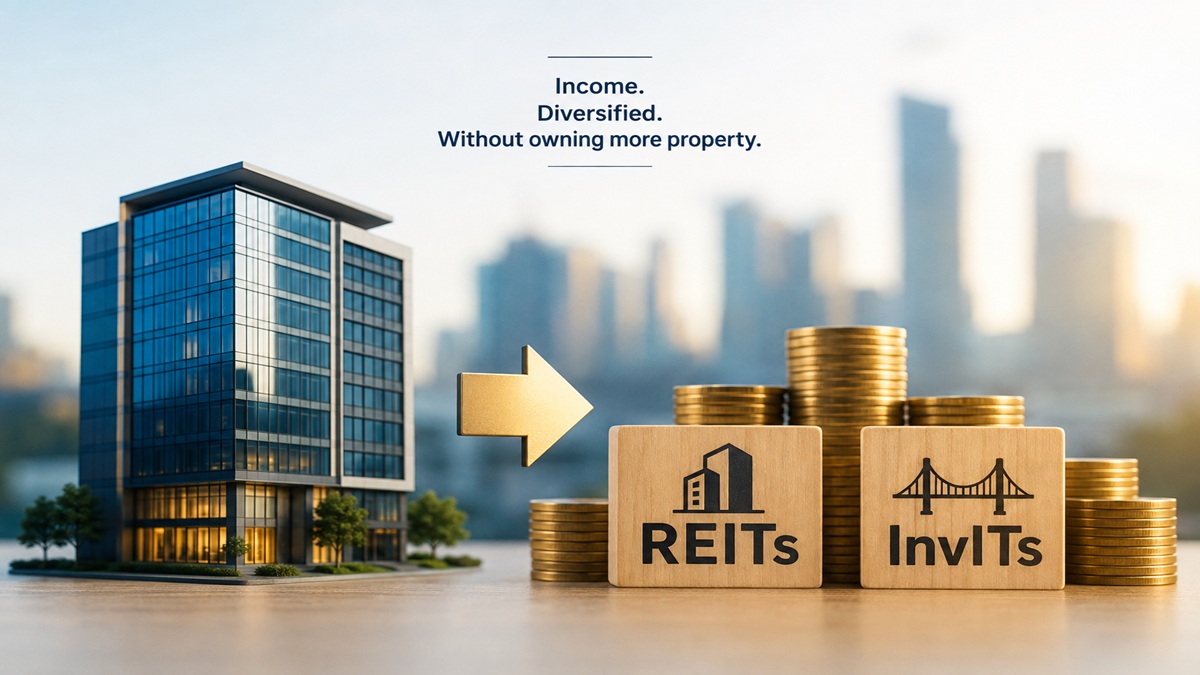
Rich Indians Seek Property Income Without Buying More Buildings

India’s Ultra-Rich Population Could Exceed 25,000 by 2031

Ashish Dhawan Builds Religare Stake Amid Restructuring Uncertainty

Why SIPs Alone Cannot Guarantee Financial Security

Rays of Belief IPO Draws Retail Demand, QIBs Hold Back

Foreign Portfolio Investors Buy ₹30,918 Crore as Markets Stay Cautious

Why Young Investors Should Not Avoid Debt Mutual Funds