

1 week ago
India’s Family Office Assets Set to Grow 1.5 Times

Family offices help very wealthy families manage and invest their money.
In India, these offices managed about ₹70,000 crore in 2024.
Their assets could become 1.5 times larger within three years.
Many families are putting 40%-45% of their investments into alternatives such as private companies, venture capital and infrastructure funds.
They are also investing directly in startups and other unlisted businesses.
New interests include artificial intelligence, clean energy, semiconductors and data centres.
A large amount of family wealth is expected to pass from older generations to younger ones.
Because of this, family offices are taking on jobs such as succession planning, governance and risk management.
The number of family offices and wealthy individuals in India is also increasing.

Assets managed by mid- and large-sized Indian family offices were estimated at around ₹70,000 crore in 2024 and could reach roughly ₹1.05 lakh crore in three years.
The Julius Baer-EY report projects family-office assets will grow at a 14% compound annual growth rate over the period.
Many family offices allocate 40%-45% of their portfolios to alternatives, including private equity, venture capital, private credit, AIFs, REITs and InvITs.
Wealthy families are increasingly investing directly or through co-investments in startups, unlisted companies, private markets and global assets.
Interest is growing in AI, climate technology, renewable energy, energy storage, semiconductors, electronics manufacturing, cloud services and data centres.
- Who
- Indian family offices, wealthy families and ultra-high-net-worth individuals, with the report prepared by Julius Baer and EY.
- What
- Indian family-office assets are projected to grow 1.5 times as families expand into alternative investments, private markets, startups, technology and global assets.
- Where
- India, with investments also extending to global markets and real estate.
- When
- Assets were measured for 2024 and are projected over the following three years; the report also identifies wealth transfers over the coming decade.
- Why
- Growth is linked to wealth created through startups, IPOs, private-equity exits, promoter exits and founder liquidity events, as well as generational changes and the professionalisation of Indian capital markets.
Key facts
- 2024 family-office assets
- Around ₹70,000 crore for mid- and large-sized Indian family offices.
- Three-year projection
- Assets could rise 1.5 times to roughly ₹1.05 lakh crore.
- Projected growth rate
- The report estimates a 14% compound annual growth rate over three years.
- Alternative allocation
- Many family offices direct 40%-45% of allocations to alternative assets.
- Common alternatives
- Private equity, venture capital, private credit, Alternative Investment Funds, REITs and InvITs.
- Family offices
- Their number reportedly increased from around 45 in 2018 to nearly 300 in 2024-25.
- Ultra-high-net-worth individuals
- India has more than 19,000 UHNIs with assets above $30 million, a number projected to exceed 25,000 by 2031.
- Expected wealth transfer
- An estimated $1.3 trillion-$1.5 trillion in intergenerational wealth may change hands over the coming decade.
Quotes
Kunal Sumaya, Ad Interim Country Head - India and Market Head - Global NRI at Julius Baer
Senior executive at Julius Baer responsible for India and Global NRI markets
“Family offices were no longer simply protecting wealth but were becoming “architects of India’s economic future”.”
 firstpost.com
“Family offices have emerged as one of the most transformative forces shaping India’s private capital ecosystem.”
firstpost.com
Sources

Related news

India’s Alternative Investment Market Could Exceed $2 Trillion by 2034

India’s Rich Families Prepare for $1.5 Trillion Wealth Transfer

India’s Rich Shift Wealth Into Private Markets And Alternatives

India’s Ultra-Rich Population Could Exceed 25,000 by 2031

Indian Family Offices Shift Up To 45% Toward Alternatives
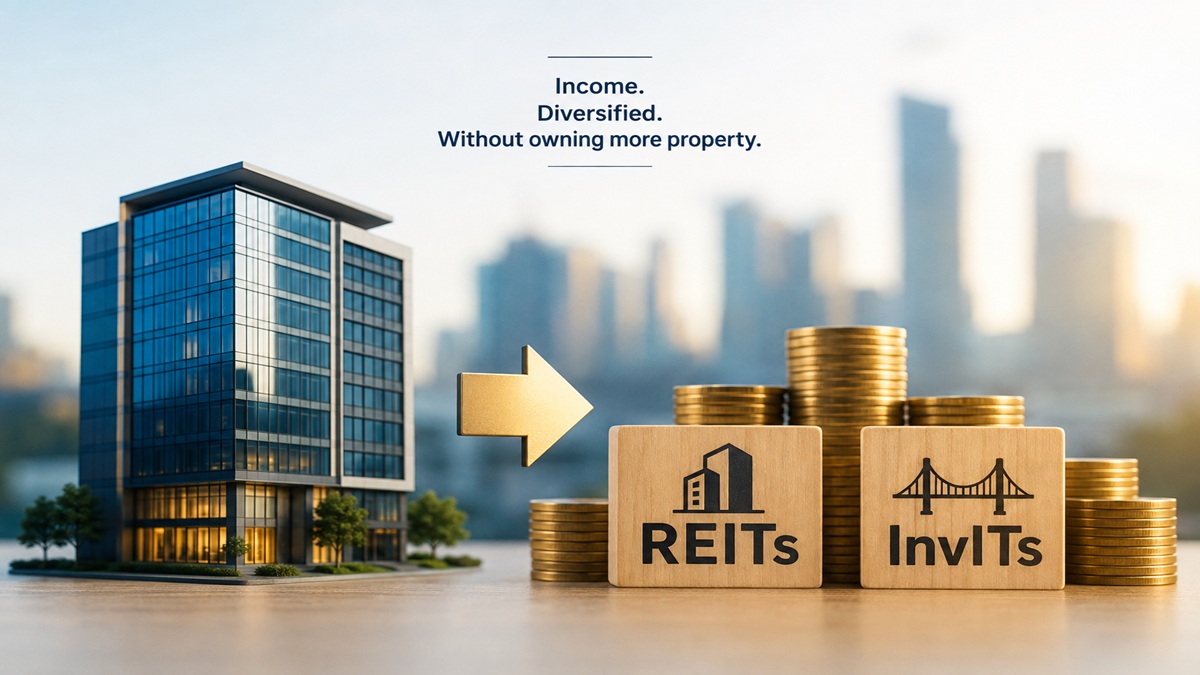
Rich Indians Seek Property Income Without Buying More Buildings

Lionel Messi’s 2026 Wealth, Earnings and Luxury Assets
Sridhar Vembu urges profit-free purpose for essential professions

Andhra Pradesh Bets on Investment Approvals to Create Jobs

iPhone 18 Pro May Launch in September
