3 days ago
India Faces Fiscal Tightrope Over Welfare and Infrastructure
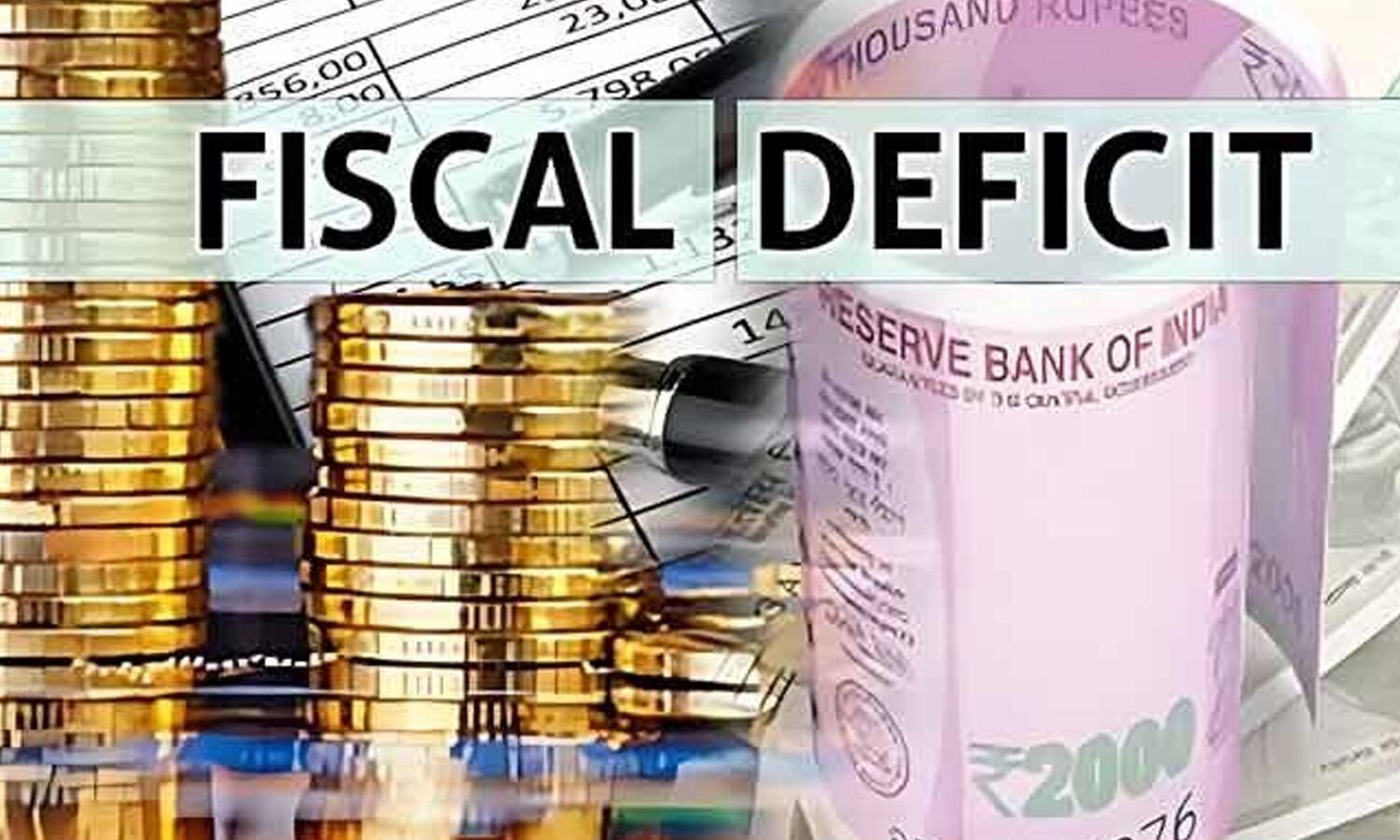
India wants to grow into a much larger economy by building roads, railways, ports, and technology systems.
At the same time, governments are offering cash, free electricity, transport subsidies, and debt waivers.
Some welfare programs help poor families afford food, healthcare, and education.
But the article says that untargeted giveaways can become expensive promises that are repeated every year.
If too much money goes to these promises, less may be available for building useful long-term projects.
Those projects can create jobs and help the economy earn more money later.
The article suggests checking welfare programs carefully and making sure they help people who genuinely need them.
It says India should protect vulnerable citizens while also investing enough in infrastructure and economic growth.

India’s welfare spending has intensified debate over fiscal health and long-term economic sustainability.
The article distinguishes targeted safety nets from unconditional subsidies aimed primarily at electoral gains.
It warns that rising revenue expenditure can reduce funding for infrastructure and other capital investments.
Proposed reforms include independent fiscal audits, revenue-to-capital-spending limits, and better beneficiary data.
The article argues that welfare and infrastructure investment must support each other rather than compete.
- Who
- India’s central and state governments, along with vulnerable citizens who receive welfare support.
- What
- A debate over whether expanding welfare schemes and political freebies are undermining fiscal discipline and long-term capital investment.
- Where
- India.
- When
- The current macroeconomic and fiscal-policy debate.
- Why
- Governments are trying to support citizens facing poverty and economic shocks while also funding infrastructure needed for sustainable growth.
Social Protection and Immediate Relief
Fiscal Discipline and Long-Term Investment
Role of welfare
Social Protection and Immediate Relief
Welfare is necessary to protect vulnerable people from poverty, inflation, and sudden economic shocks.
Fiscal Discipline and Long-Term Investment
Poorly targeted welfare and unconditional freebies can create permanent financial liabilities and weaken fiscal discipline.
Use of public funds
Social Protection and Immediate Relief
Cash transfers, subsidized food, healthcare, and education can reduce inequality and support household consumption.
Fiscal Discipline and Long-Term Investment
Excessive recurring spending may divert money from roads, hospitals, power systems, drainage, and training centers.
Long-term strategy
Social Protection and Immediate Relief
Governments should preserve social protections because economic growth cannot be sustained while citizens remain impoverished and unprotected.
Fiscal Discipline and Long-Term Investment
Governments must prioritize capital assets and job creation so future tax revenues can support sustainable social programs.
Key facts
- Main concern
- Growing revenue expenditure on subsidies and cash transfers may crowd out capital expenditure.
- Welfare benefits
- Targeted food, healthcare, education, and maternal-support programs can reduce hardship and strengthen human capital.
- Risk identified
- Unconditional or poorly targeted handouts can increase recurring liabilities and reduce borrowing capacity.
- Potential consequence
- Lower infrastructure spending may limit job creation and the development of revenue-generating assets.
- Proposed oversight
- An independent statutory fiscal council could audit schemes and publicly assess their sustainability.
- Data-based reform
- Digitized beneficiary registries and periodic eligibility reviews could reduce duplication, leakage, and elite capture.
- Policy principle
- Increases in revenue spending on handouts should be matched by a fixed share of additional capital-asset creation.
Quotes
The article's writer
The writer, identified as a former OSD to the Union Civil Aviation Minister.
“Welfare should be the trampoline that bounces a citizen back into productivity, not the hammock that lulls a nation’s economy to sleep.”
 thehansindia.com
“A state that depletes its treasury to win the present inevitably mortgages the economic sovereignty of its future.”
thehansindia.com
Sources
Related news
Sitharaman Sets 2030 Borrowing Target Without Welfare Cuts
Tamil Nadu Freebies Raise Questions Over TVK Finances

Are Finance Commissions Undoing India's Constitutional Federal Design?

India’s Economic Gains Meet Persistent Challenges of Inclusive Growth
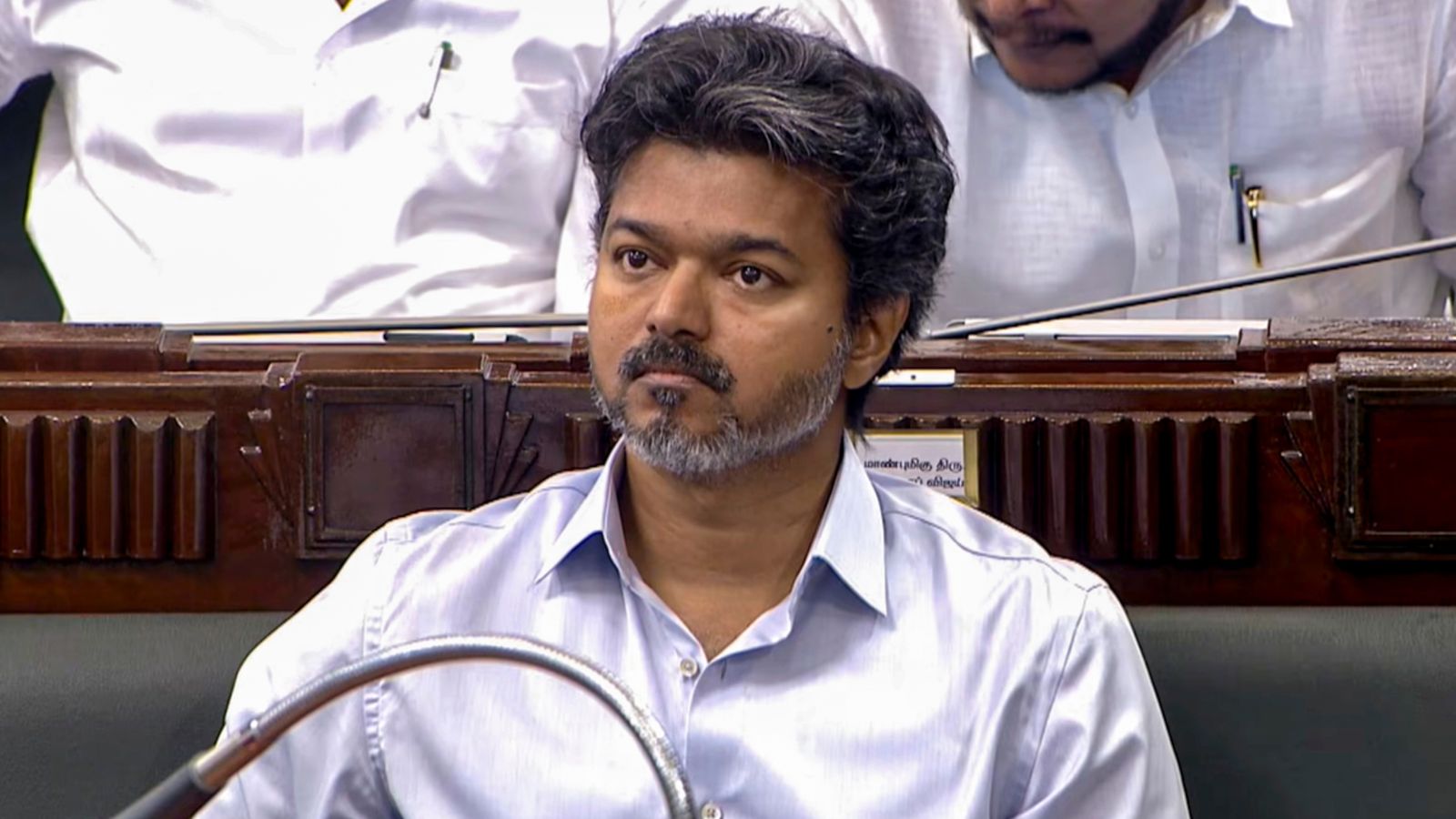
Vijay's spending-heavy Tamil Nadu budget brings gold, laptops, welfare
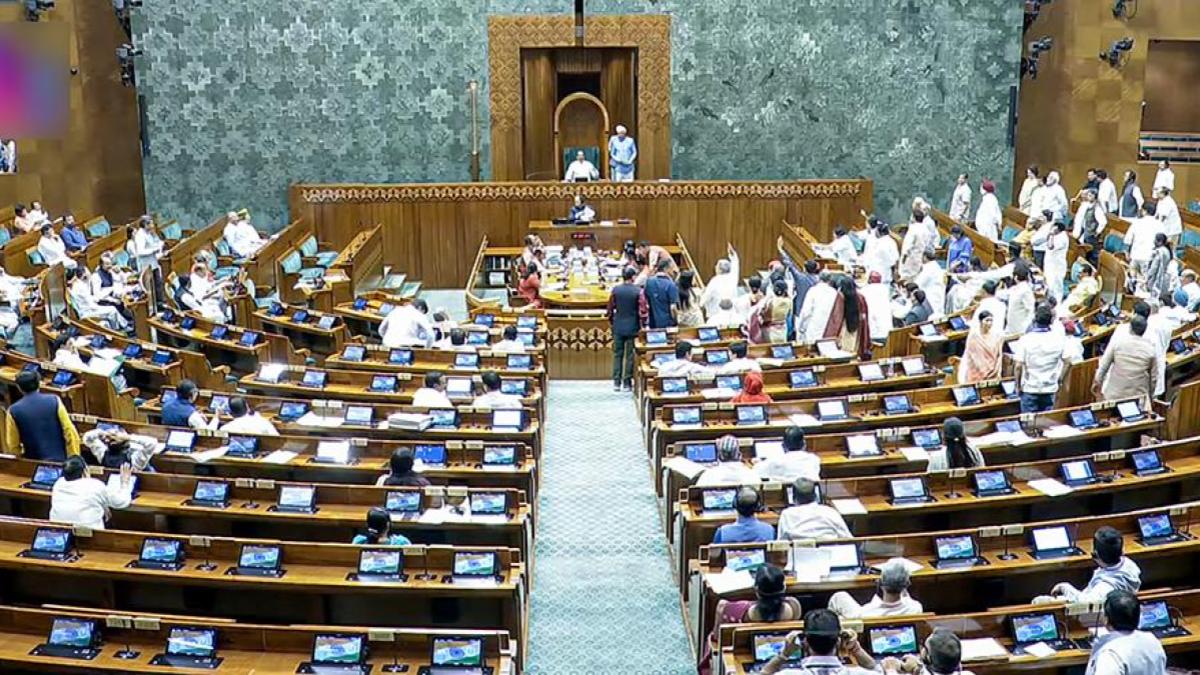
India Says Mild Economic Shocks Manageable Within Fiscal Deficit Target

Telangana High Court Seeks Details on Debt, Welfare Spending