2 weeks ago
Gangsters and Terrorism: The Rise of India’s Gig Economy
The article says some terrorist networks may hire people for individual jobs instead of asking them to join a large group.
A person might be paid to watch a location, move money, find a weapon or carry out an attack.
That person may not strongly believe in the group’s ideas.
Gangsters and terrorists can sometimes share contacts, weapons and money systems.
This can make the network look like ordinary crime at first.
Police may see separate clues in different states without realizing they are connected.
State police know local people and crimes, while national agencies can connect information across borders.
The article says these agencies need to share clues quickly so they can stop an attack before it happens.

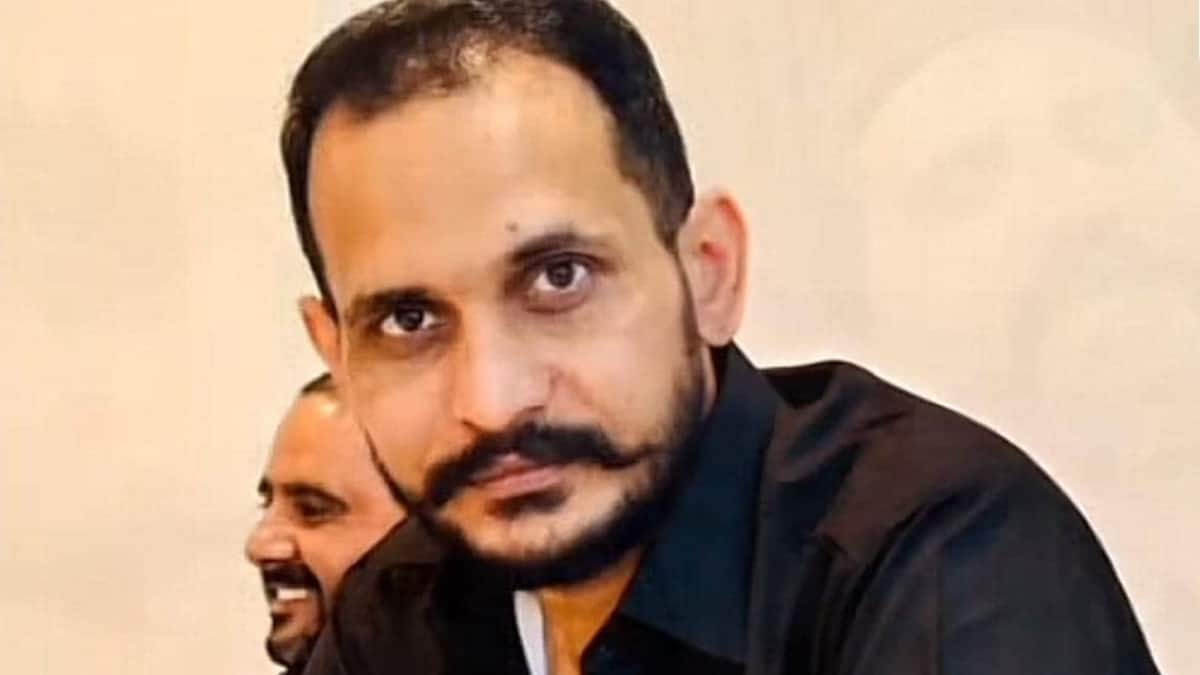
An alleged network linked to Shahzad Bhatti reportedly recruits young Indian men through social media and offers payment for specific tasks.
Assignments may include putting up posters, installing cameras, arranging weapons, transferring money or carrying out attacks.
The article describes a transactional model in which recruits may lack deep ideological commitment and perform only one part of an operation.
Criminal and terrorist networks can share weapons, money channels, contacts and people experienced in violence, complicating investigations.
India’s central and state agencies are urged to connect small criminal or financial signals before they develop into terrorist operations.
- Who
- An alleged network associated with gangster Shahzad Bhatti, potential recruits in India, and Indian central and state law-enforcement agencies.
- What
- The article examines a transactional, social-media-enabled model of terrorism in which people may be recruited for individual tasks rather than ideological membership.
- Where
- India, with alleged recruitment and direction linked to overseas criminal networks; the article refers to Bhatti both as UAE-based and Pakistan-based.
- When
- The article does not specify a particular incident date; it discusses an emerging pattern in terrorism and counter-terrorism.
- Why
- Such networks may use money, criminal contacts, illegal weapons and digital communication to create dispersed operations that are harder to detect.
Key facts
- Alleged figure
- Shahzad Bhatti, described in the article as a gangster associated with an alleged network.
- Recruitment channel
- Instagram and Facebook are described as platforms through which young men may be noticed and contacted.
- Possible assignments
- Tasks may include reconnaissance, poster placement, camera installation, weapons arrangements, money transfers, grenade attacks or explosive placement.
- Recruitment model
- The proposed “gig economy of terrorism” uses recruits of convenience who may perform one limited task without knowing the wider operation.
- Criminal-terror overlap
- Gangster and terrorist networks may share weapons access, underground financial channels, criminal contacts and people accustomed to violence.
- Indian institutions mentioned
- The National Investigation Agency, the multi-agency centre, NATGRID and state-level arrangements are identified as parts of India’s counter-terrorism architecture.
- Main investigative challenge
- Authorities must connect separate clues, such as illegal firearms, unexplained payments, foreign phone numbers and suspicious social-media accounts.
Sources
Related news
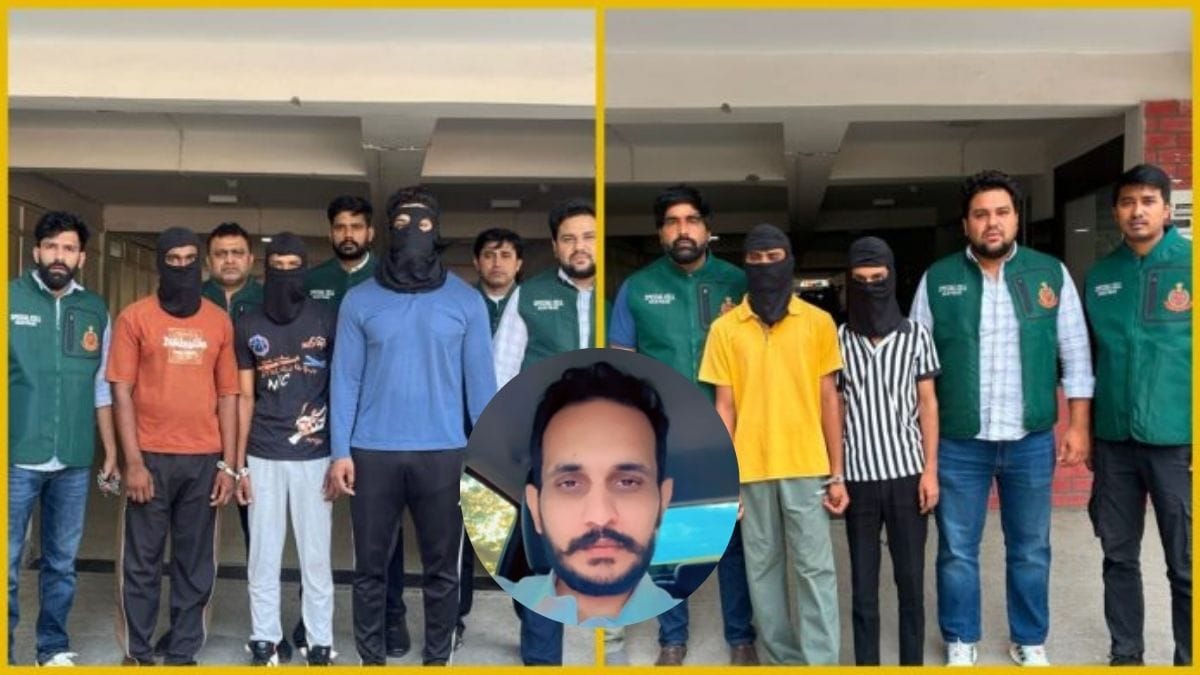
200 arrested as ISI-backed Bhatti network thwarted across 14 states
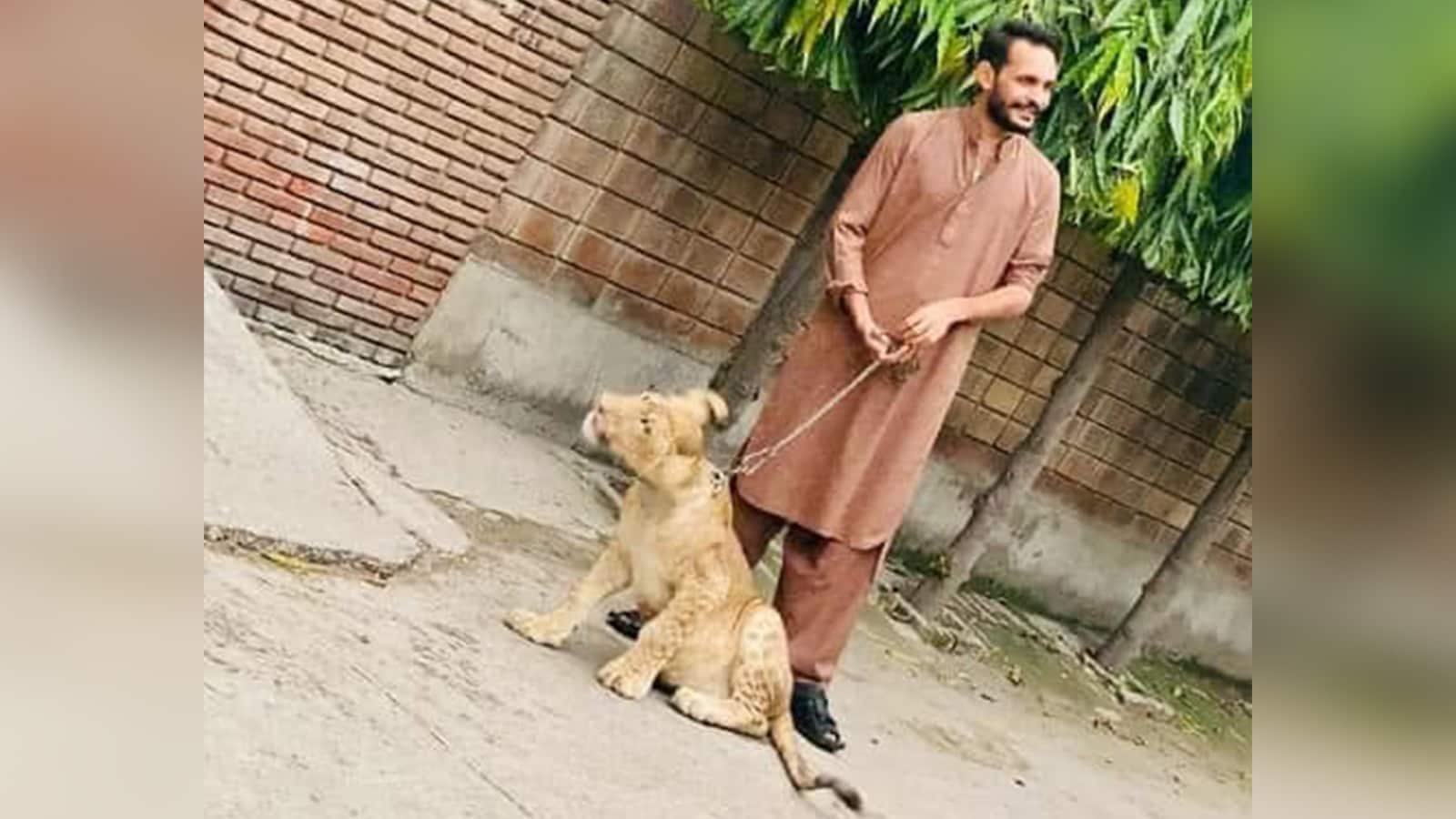
How Shahzad Bhatti Built an Online Terror Network

ISI Uses Luxury Lifestyle Promises to Recruit Indian Youth

Assam Police Arrest Alleged Shahzad Bhatti Network Operative
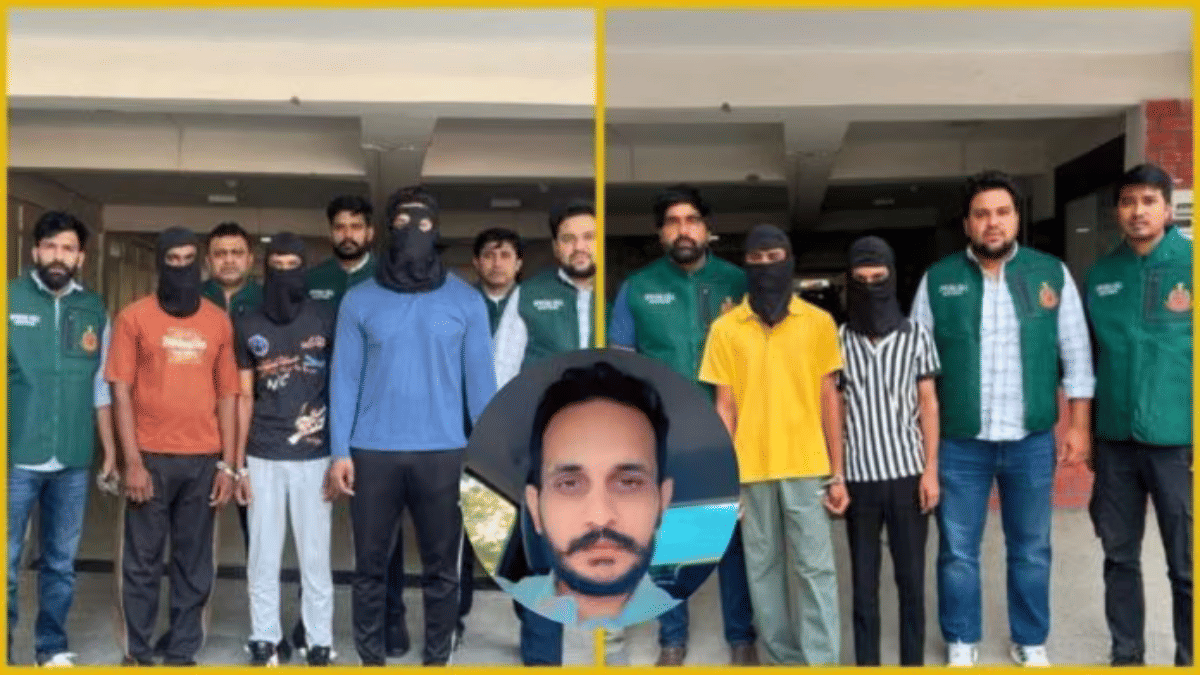
Delhi Police Targets Shehzad Bhatti’s Instagram Recruitment Network
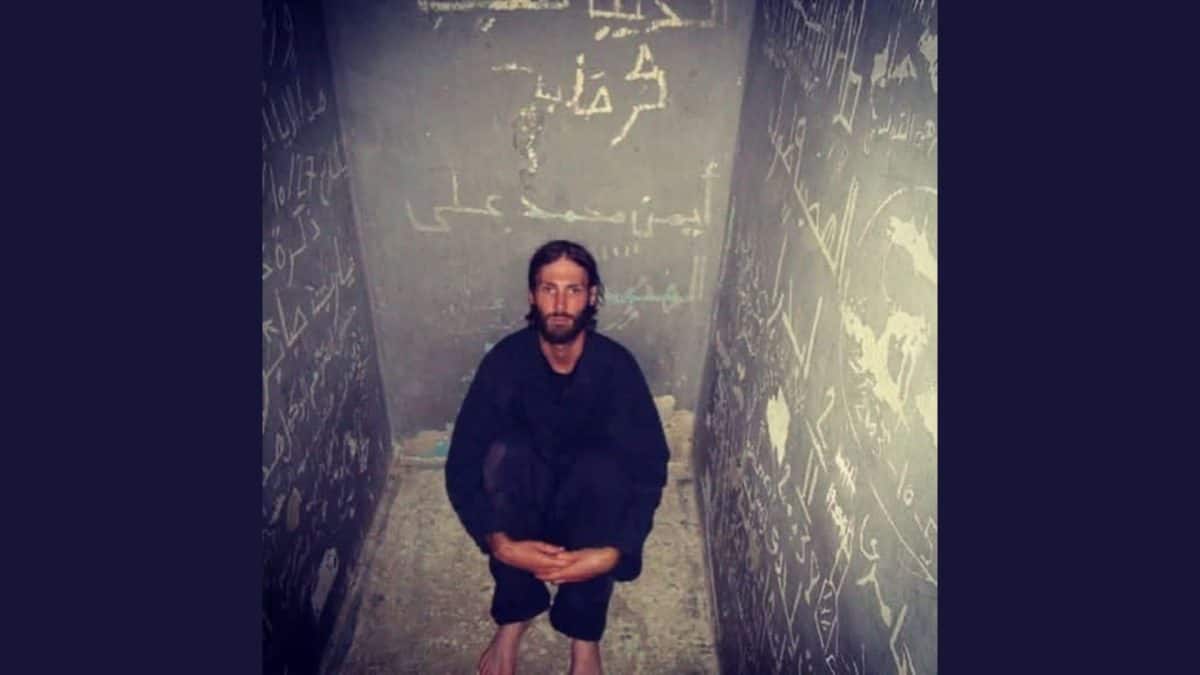
India Plans Parallel Immigration Charges Against VanDyke, Ukrainians
Delhi High Court Grants Bail to Two UAPA Accused
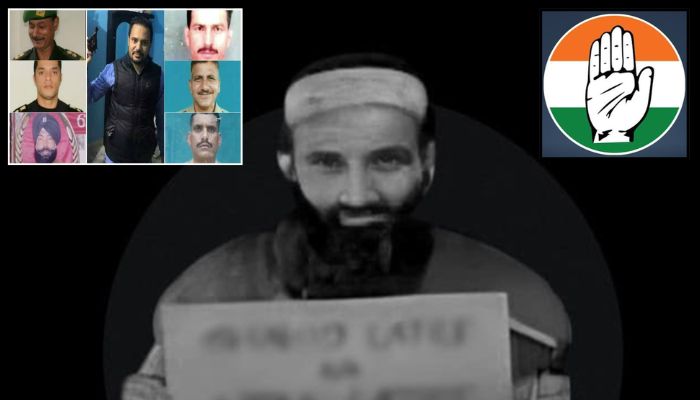
UPA Released 25 Pakistani Militants in 2010 Goodwill Gesture
Kerala Conman Arrested After Three Decades, Five Identities, 17 Cases

NIA Court Convicts 10 in 2013 Jhiram Valley Maoist Attack