5 days ago
Turmeric Compound Shows Blood Vessel Benefits in Diabetic Rats
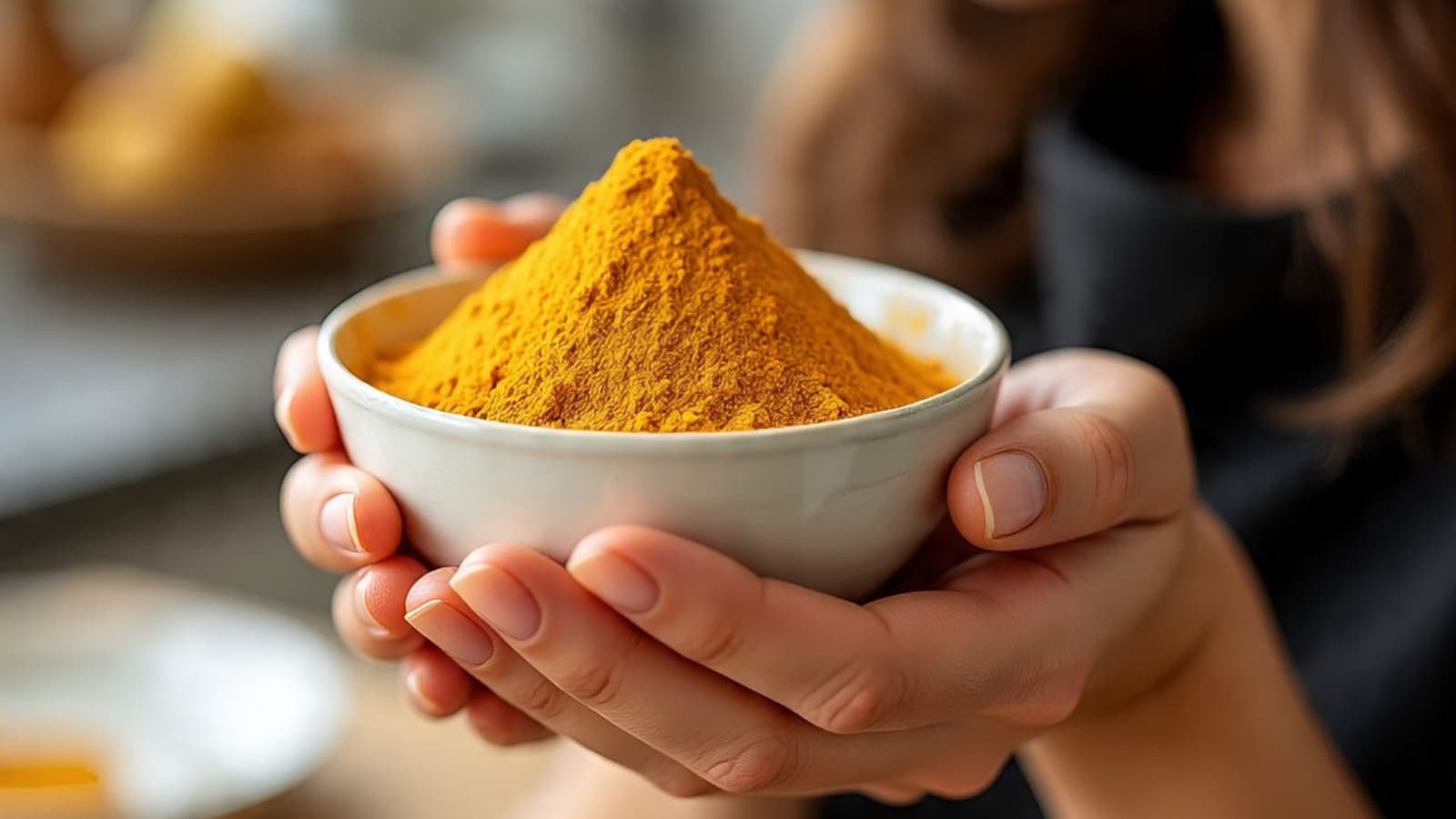
Scientists studied whether curcumin, a substance in turmeric, could protect blood vessels.
They used male rats that had Type 1 diabetes.
Some rats received curcumin for 28 days, while others did not.
The treated rats had healthier-looking aortas, which are large blood vessels.
Their blood vessels also handled calcium better and showed less inflammation.
Curcumin was linked to healthier levels of a protective protein called HSP70.
The treatment also helped maintain important artery materials called collagen and elastin.
However, the study was done in rats, so people should not replace diabetes medicine with turmeric or curcumin.

A study in male rats with Type 1 diabetes examined curcumin, turmeric’s yellow compound.
After 28 days, curcumin-treated rats showed improved aortic structure and blood vessel function.
The treatment was linked to reduced inflammation and improved calcium regulation in blood vessels.
Curcumin also changed HSP70 levels and helped restore collagen and elastin balance in the aorta.
The findings are preliminary and do not show that turmeric or curcumin treats diabetes in humans.
- Who
- Researchers, including first author Swasti Rastogi, studied male rats with Type 1 diabetes.
- What
- The study tested whether curcumin could improve blood vessel health and protect the aorta from diabetes-related damage.
- Where
- The researchers examined the rats’ blood vessels, particularly the aorta; the study was associated with the Florida Institute of Technology.
- When
- The rats received curcumin for 28 days.
- Why
- To investigate whether curcumin could reduce inflammation and improve structural and functional changes in blood vessels caused by Type 1 diabetes.
Key facts
- Compound studied
- Curcumin, the bright yellow compound found in turmeric
- Animal model
- Male rats with Type 1 diabetes
- Treatment period
- 28 days
- Main blood vessel examined
- The aorta, the body’s largest artery
- Observed effects
- Improved vascular function, reduced inflammation and better calcium regulation
- Additional biological changes
- Higher protective intracellular HSP70, lower circulating HSP70, reduced excess collagen and restored elastin levels
- Human relevance
- The findings are preliminary and do not establish that turmeric or curcumin treats diabetes or prevents its complications in people
Quotes
Swasti Rastogi
PhD candidate at Florida Institute of Technology and first author of the study
“Curcumin acts as more than a simple compound found in a spice or an antioxidant. It not only helps to improve blood sugar levels but also reduces inflammation, restores cellular responses, and preserves both structure and function of the aorta in Type 1 diabetes.”
 NDTV
NDTV
Sources
Related news

Diabetes Care Evolving Beyond Sugar Levels to Protect Hearts, Kidneys
IIT Hyderabad Study Reveals How Cells Control Glycerol Movement

Tobacco and diabetes increase amputation risk, surgeon warns

Antibiotics may temporarily affect blood sugar, glucose metabolism

Vinegar Before Carbs May Reduce Blood Sugar Spikes
Ayurveda's 6 Ancient Ingredients Spotlighted for India's Independence Day
Aloe‑Turmeric Gel Mix Promises Headache Relief

BJP Accuses Congress of Spreading Negativity Over Hindu Culture
Coriander Leaves for Glowing Skin: Ayurvedic Trick Revealed