1 hr ago
India Uses BRICS Presidency to Deepen, Preserve, Stabilise Ties
The author says India is trying to work with many important countries at the same time.
India wants to build stronger ties with Russia, especially in defence and energy.
It wants to keep useful connections with Iran because of geography, trade, and access to nearby regions.
India also wants calmer relations with China, even though the two countries have serious disagreements.
BRICS brings together countries that do not always agree with one another.
The author says this can still be useful because members can avoid depending too much on one powerful country.
India does not want BRICS to become a group formed only against Western countries.
Instead, it wants BRICS to focus on development, trade, technology, energy, and other shared concerns.
The article calls this approach multi-alignment, meaning India works with different countries on different issues.

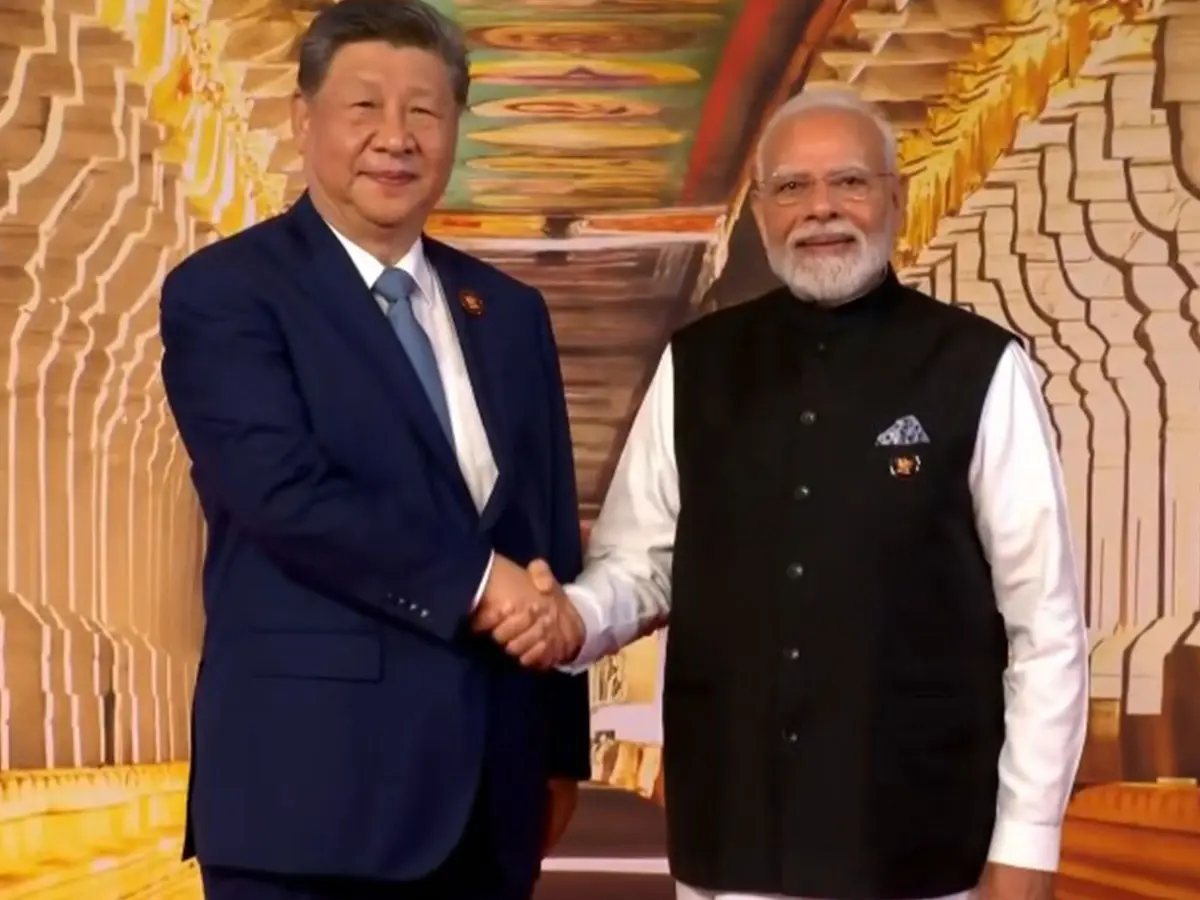
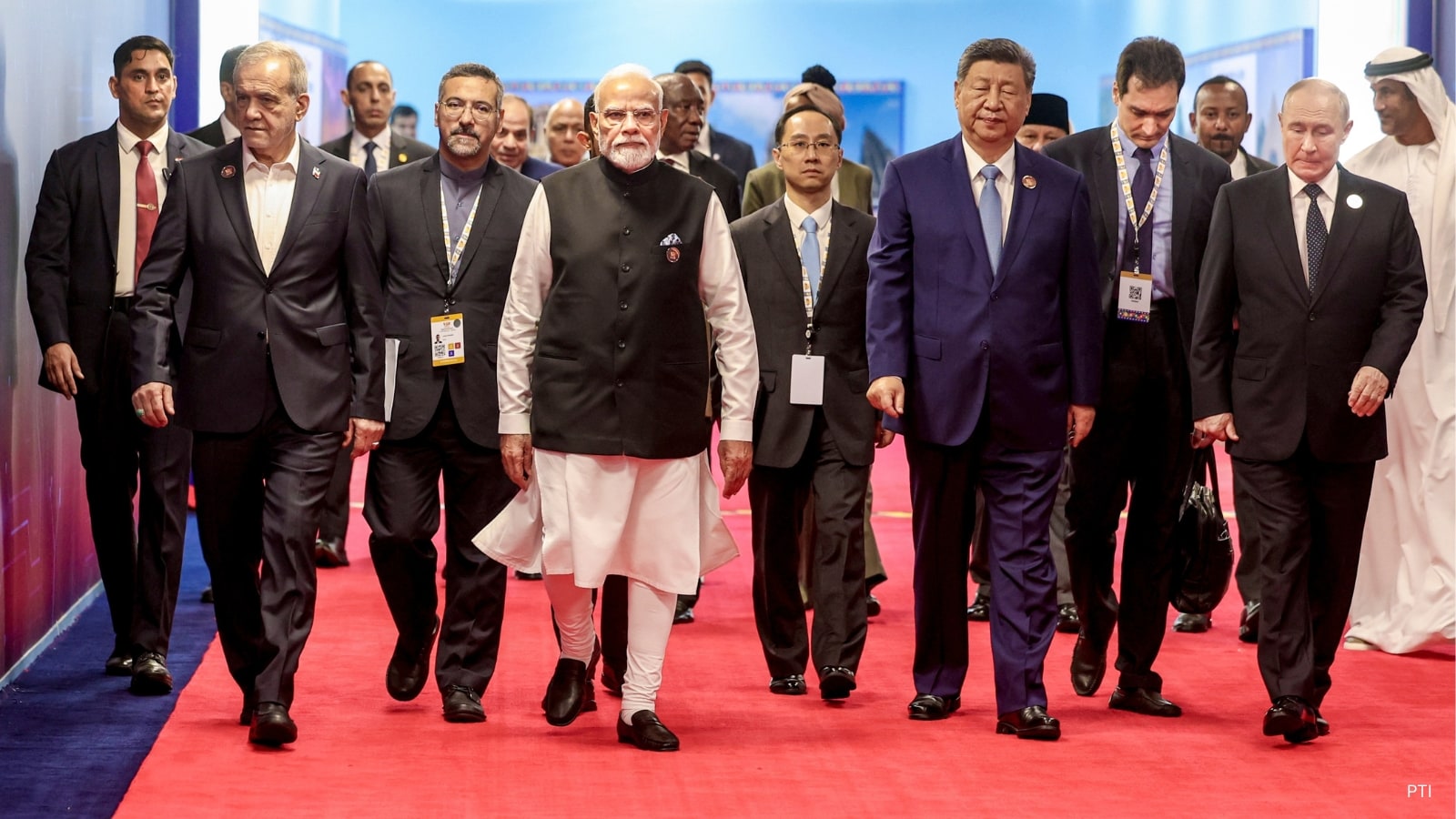
The author presents India’s meetings with Russia, Iran, and China as part of a broader multi-alignment strategy.
India is deepening ties with Russia in defence, energy, technology, manufacturing, nuclear power, and space.
Engagement with Iran helps India preserve strategic access to Central Asia, energy routes, and West Asian diplomacy.
India seeks to stabilise relations with China while managing unresolved border, trade, and security disputes.
The article argues that India should use its BRICS presidency to advance Global South priorities without making BRICS anti-Western.
- Who
- Indian Prime Minister Narendra Modi, Russian President Vladimir Putin, Iranian President Masoud Pezeshkian, and Chinese President Xi Jinping.
- What
- High-level meetings linked to India’s BRICS presidency and India’s strategy of deepening, preserving, and stabilising relationships with major powers.
- Where
- New Delhi, India.
- When
- During India’s BRICS presidency; the article does not provide specific dates.
- Why
- India seeks strategic flexibility, stronger bargaining power, economic and security benefits, and a greater voice for the Global South without joining a fixed geopolitical bloc.
Bloc-Based Rivalry
Pragmatic Multi-Alignment
BRICS’s international role
Bloc-Based Rivalry
Some members may favour BRICS becoming a more explicit alternative to the existing Western-led international order.
Pragmatic Multi-Alignment
The author argues that BRICS is more effective as a flexible platform for cooperation and bargaining, rather than as an anti-Western alliance.
India-China relations
Bloc-Based Rivalry
India’s unresolved border dispute, security concerns, and trade deficit support a harder approach and reduced dependence on China.
Pragmatic Multi-Alignment
The article supports stabilising ties and maintaining managed interdependence while continuing to address strategic disagreements.
India’s foreign-policy alignment
Bloc-Based Rivalry
Closer engagement with Russia, Iran, and China could be viewed as movement toward a rival geopolitical grouping.
Pragmatic Multi-Alignment
The author characterises India’s policy as multi-alignment, allowing it to work simultaneously with Russia, Iran, China, the United States, Europe, Japan, Australia, and Gulf countries.
Key facts
- BRICS membership
- The article describes BRICS as an 11-member grouping.
- Economic weight
- BRICS members represent roughly 37 percent of global GDP on a purchasing-power-parity basis, according to the article.
- Russia relationship
- India is expanding cooperation with Russia in defence, energy, manufacturing, technology, nuclear energy, space, and critical minerals.
- Iran relationship
- Chabahar, the Gulf, and the Strait of Hormuz are identified as important to India’s regional, energy, and maritime interests.
- China relationship
- India seeks managed interdependence with China while differences remain over the border, China-Pakistan ties, and the trade deficit.
- BRICS institutions
- The New Development Bank, local-currency settlement, and alternative payment mechanisms have increased BRICS’s institutional and economic substance.
- India’s proposed focus
- The article highlights development finance, trade, technology, food and energy security, climate resilience, connectivity, and global institutional reform.
Sources
Related news

BRICS Gives India Strategic Room to Maneuver
India’s BRICS Tightrope Tests Its Broader Multi-Alignment Strategy
India Balances Strategic Autonomy and Multilateralism at BRICS Summit
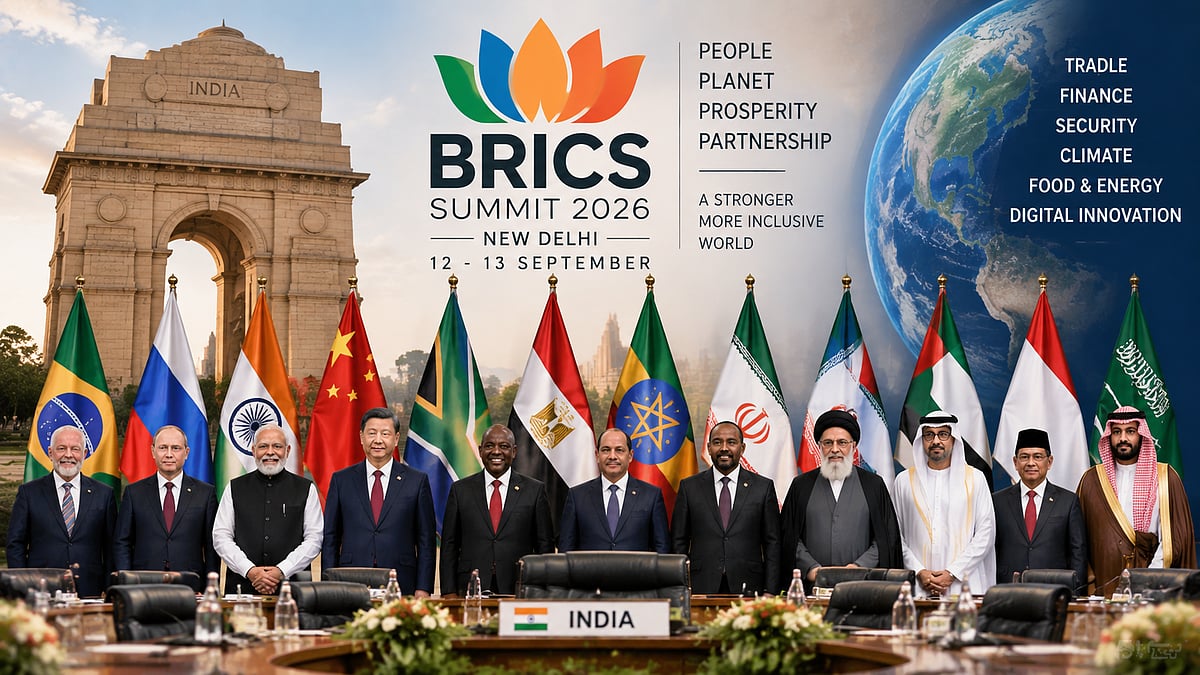
India Faces Strategic Test As BRICS Summit Opens In Delhi

Expanded BRICS Faces Unity Test At India Summit
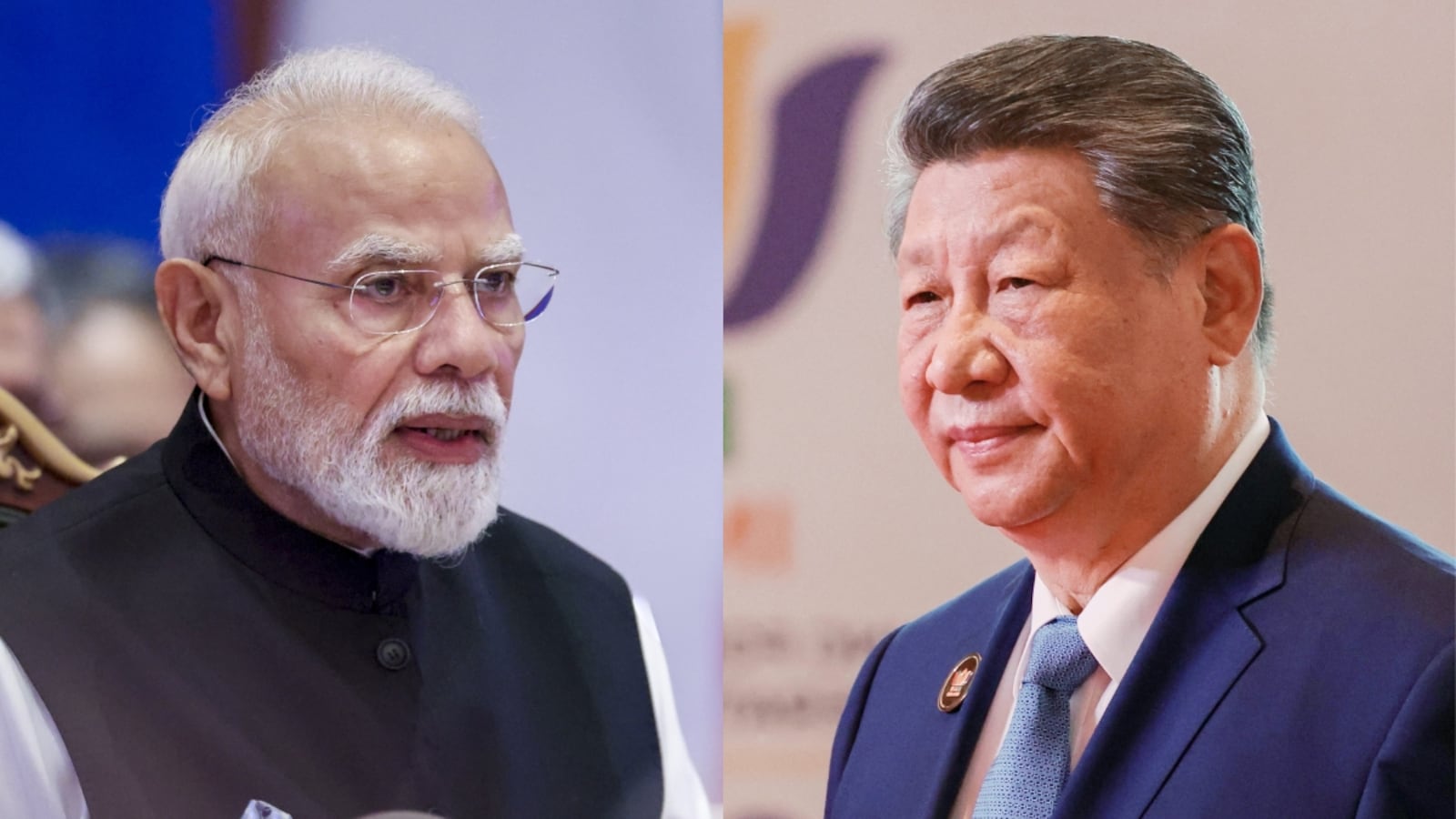
Xi and Modi Discuss Border, Trade and India-China Ties
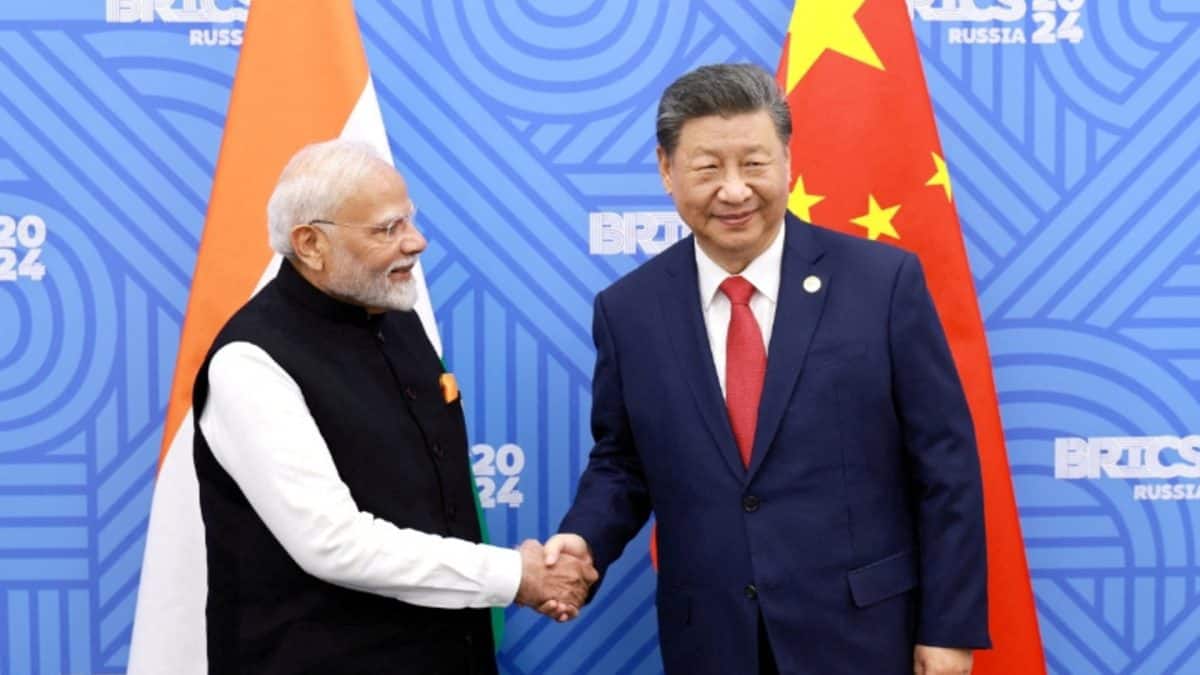
Modi, Xi Hold Bilateral Talks During India-Hosted BRICS Summit
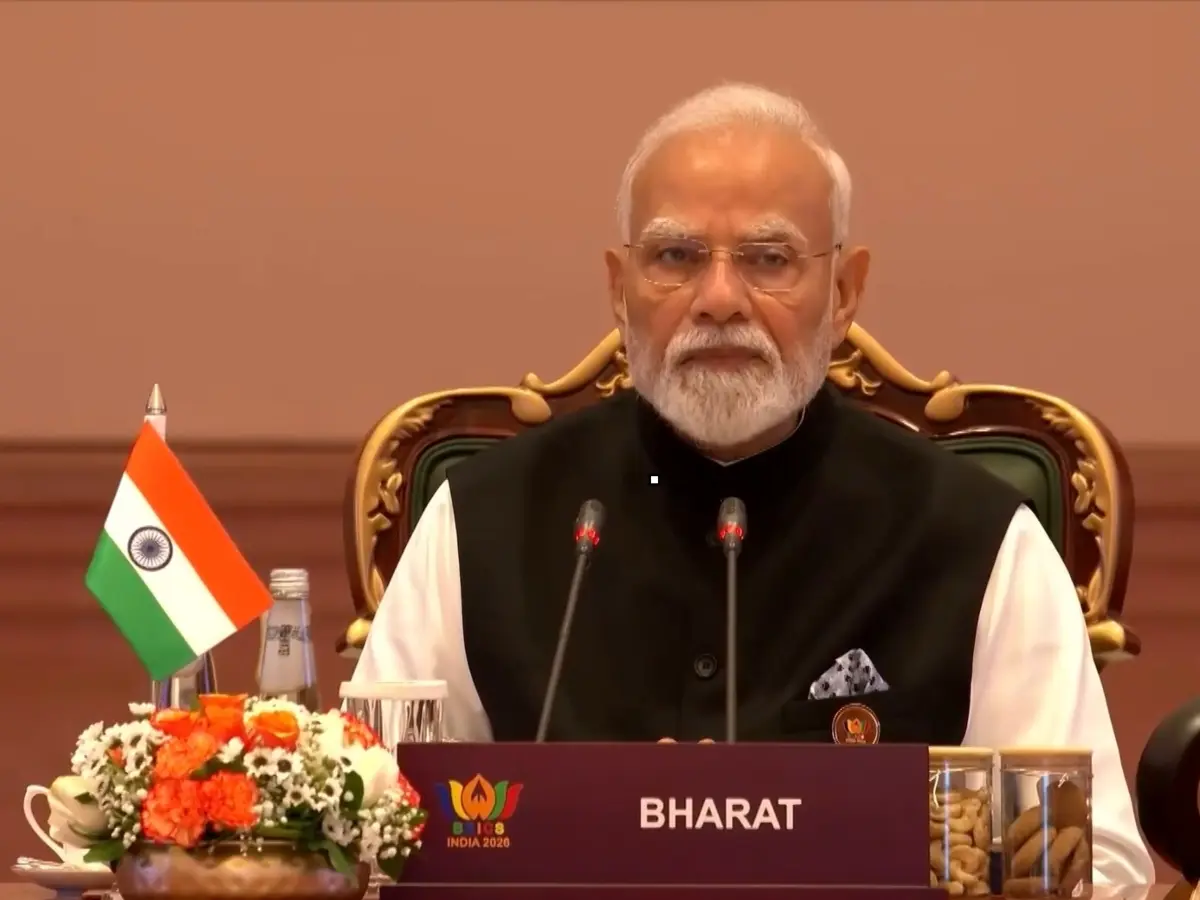
BRICS Unanimously Adopts New Delhi Declaration 2026 at 18th Summit

Modi Welcomes World Leaders Against Ramanathaswamy Temple Backdrop