

2 weeks ago
Rising US Treasury Yields Pressure Consumers, Companies, and Global Markets
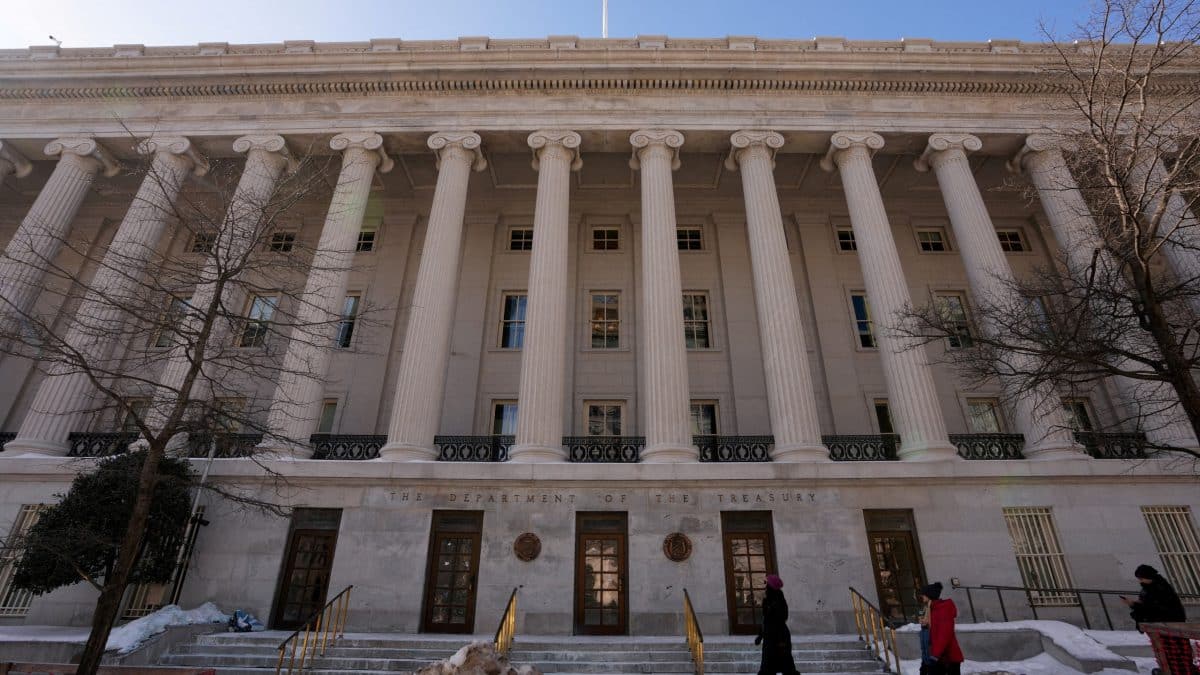
US government bonds are becoming less attractive to some investors, so their yields are rising.
A yield is like the interest rate paid to someone who lends money.
When Treasury yields rise, many other loans can become more expensive too.
New homebuyers may face higher mortgage rates, while people with fixed-rate loans are mostly protected for now.
Companies may pay more when they borrow or refinance, especially for large projects such as data centers.
Higher yields can also make some stocks, especially technology stocks, worth less to investors.
The US government must pay more interest on its large debt when yields rise.
Changes in Treasury yields also affect markets and borrowers around the world.

The 30-year Treasury yield has reached its highest level in nearly two decades.
Higher Treasury yields raise borrowing costs for households, businesses, and the US government.
Mortgage rates, corporate financing, stock valuations, and emerging-market debt may face pressure.
Heavy government borrowing, resilient growth, inflation risks, and Federal Reserve policy are driving investor concerns.
Some foreign investors are diversifying away from Treasuries, while others question whether any group can control the market.
- Who
- US government bond investors, households, companies, financial institutions, the Federal Reserve, and global borrowers are affected.
- What
- A sell-off in US government bonds is pushing Treasury yields higher and raising borrowing costs.
- Where
- The effects are centered in the United States and extend across global financial markets.
- When
- The article describes the current period, as the 30-year Treasury yield reaches its highest level in nearly two decades.
- Why
- Investors are responding to heavier government borrowing, resilient economic growth, inflation risks from Middle East energy disruptions, possible higher-for-longer Federal Reserve rates, and concerns about demand for Treasuries.
Signals of Fiscal and Policy Pressure
Market Forces Without a Single Controller
Meaning of the bond sell-off
Signals of Fiscal and Policy Pressure
Some investors view the selling as a potential “bond vigilante” moment, with bondholders pressuring policymakers over fiscal or monetary policy.
Market Forces Without a Single Controller
Other investors argue that the enormous size of the Treasury market makes it difficult for any single investor group to exert that kind of influence.
Effect on stocks
Signals of Fiscal and Policy Pressure
Rising yields can weigh on stock valuations, particularly growth and technology shares whose value depends heavily on future earnings.
Market Forces Without a Single Controller
If yields rise because economic growth and corporate earnings are strengthening, equities may be able to absorb some of the pressure.
Key facts
- 30-year Treasury yield
- It has climbed to its highest level in nearly two decades.
- Key benchmark
- The 10-year Treasury yield influences mortgage rates and other long-term borrowing costs.
- Households
- Higher yields can increase the cost of home loans, auto loans, and other fixed-rate borrowing.
- Companies
- Corporate borrowing costs generally rise because companies borrow at Treasury yields plus credit spreads.
- US government
- Higher yields increase the interest expense on the government's large debt burden.
- Stock markets
- Higher yields can reduce stock valuations by increasing the discount rate applied to future profits.
- Global markets
- Treasury yields influence mortgages, corporate bonds, emerging-market debt, private credit, and equities worldwide.
Sources
Related news

Global Bond Selloff Deepens as Oil and Debt Fears Rise

Rising US Treasury Yields Raise Pressure on Indian Bonds

Global Bond Yields Surge as Inflation and Debt Risks Rise

America’s Rising Debt Puts Global Bond Markets on Alert
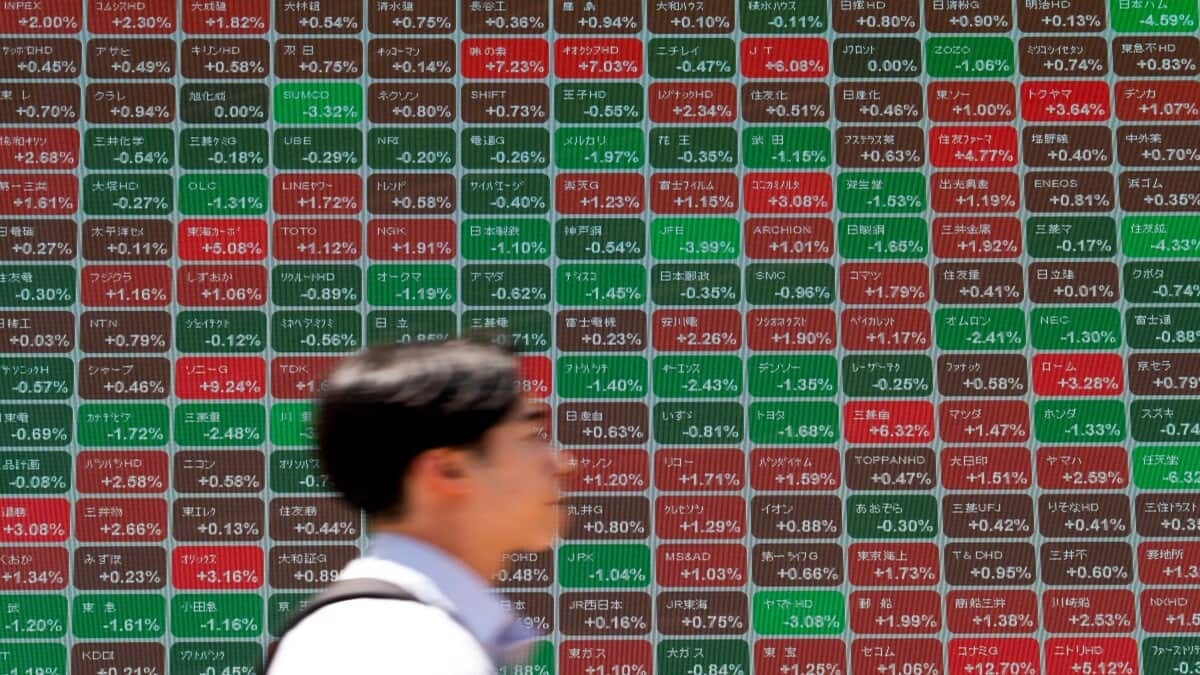
Global Bond Selloff Deepens as Debt and Inflation Fears Rise

Global Bond Sell-Off Pushes Japan Yields To 30-Year High

USS Abraham Lincoln Docks in Thailand

Gold Prices Fall Further Amid US-Iran Tensions and Rate Fears

Iran Says It Targeted US Forces in Bahrain

Gold falls to two-week low as yields, dollar pressure prices

Jefferies Sees 33% Reliance Industries Upside Amid Refinery Disruptions
