

1 hr ago
Nana Patekar Dies After Cardiac Arrest Despite 45-Minute CPR
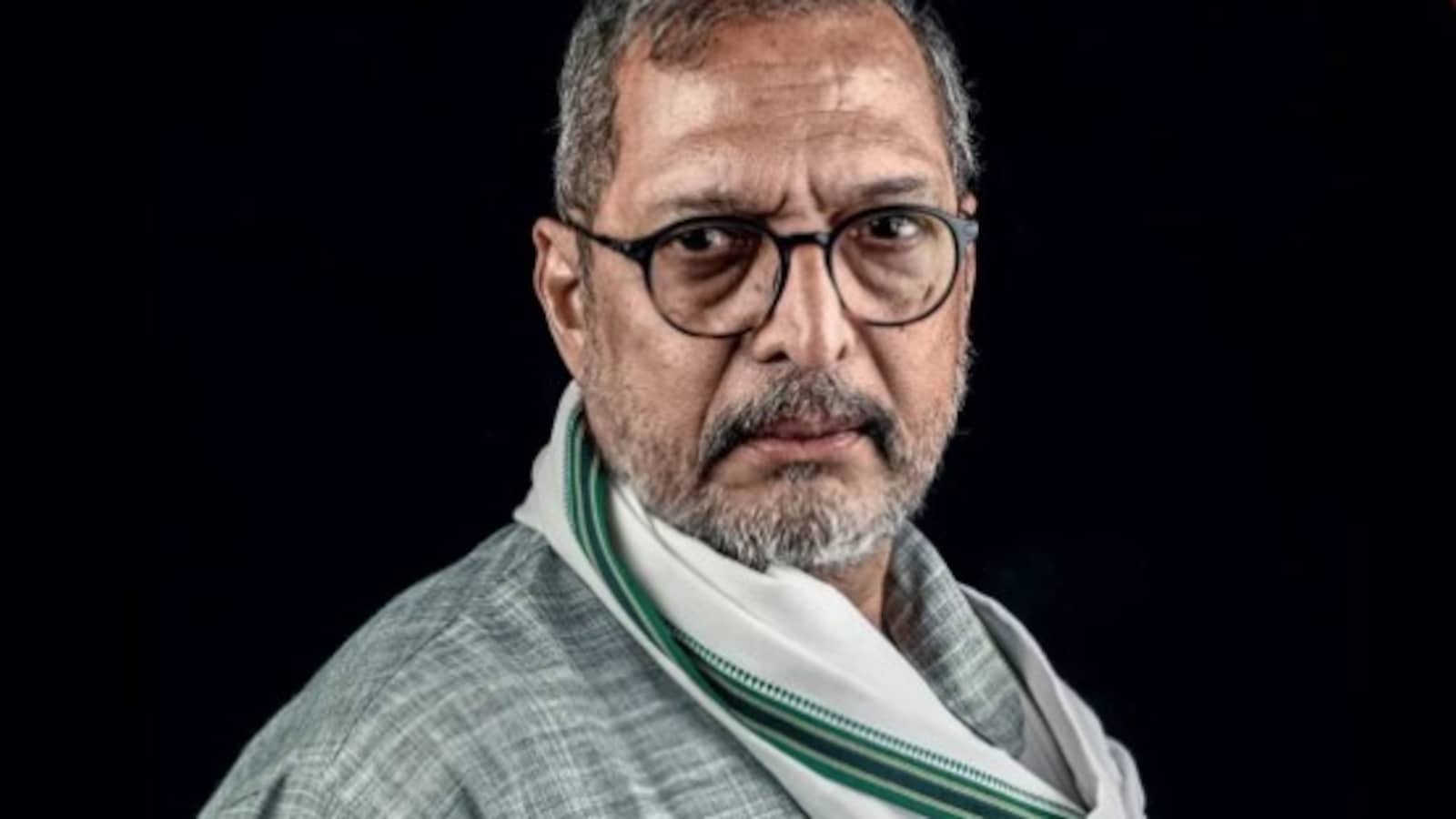
The article reports that actor Nana Patekar died after his heart stopped.
He was found unconscious at his home in Goa and taken to a hospital.
Doctors tried CPR for almost 45 minutes, but they could not revive him.
CPR uses chest pushes, and sometimes breaths, to help move blood and oxygen through the body.
It is meant for someone who is unresponsive and not breathing normally.
People should call emergency services and start chest compressions while help is coming.
CPR should usually continue until the person shows signs of life or trained responders take over.
An AED may also be used if one is available.

The article reports that actor and filmmaker Nana Patekar died at age 75 after suffering cardiac arrest.
He was found unconscious at his home in Dona Paula, Goa, and was declared dead at 5:20 am.
Doctors at Manipal Hospital attempted CPR for nearly 45 minutes, according to Dr. Shekhar Salkar.
The article explains that CPR is used when someone is unresponsive and not breathing normally; emergency services should be called and an AED requested if available.
Bystanders should generally continue CPR until signs of life appear, trained responders take over, an AED prompts a pause, they cannot continue, or the scene becomes unsafe.
- Who
- Actor and filmmaker Nana Patekar; doctors at Manipal Hospital attempted to revive him.
- What
- The article reports that Patekar died after cardiac arrest despite nearly 45 minutes of CPR.
- Where
- He was found at his home in Dona Paula, Goa, and taken to Manipal Hospital.
- When
- He was declared dead at 5:20 am; the article does not specify the date.
- Why
- The article says he suffered cardiac arrest.
Key facts
- Age
- 75
- Reported cause
- Cardiac arrest
- CPR duration
- Almost 45 minutes
- Declared dead
- 5:20 am
- Home location
- Dona Paula, Goa
- Hospital
- Manipal Hospital
- CPR guidance
- Continue until signs of life, trained responders taking over, an AED prompting a pause, inability to continue, or an unsafe scene.
Quotes
Dr. Anshul Kumar Jain
Director of Cardiology at CK Birla Hospital, Delhi
“The message from a cardiologist is therefore simple: recognise cardiac arrest, call for emergency help, start CPR promptly and use an AED as soon as one is available. CPR may not restart the heart by itself, but it can buy precious time, and in cardiac arrest, those minutes can determine whether a person survives and how well they recover.”
 NDTV
NDTV
“There is no universal rule such as 'CPR should be performed for exactly 10 or 20 minutes'. A bystander should generally continue CPR until the person starts to show signs of life, trained emergency professionals take over, an AED instructs a temporary pause, or the rescuer is physically unable to continue, or the scene becomes unsafe.”
NDTV
Sources
Related news

Nana Patekar Dies at 75 After Cardiac Arrest

Nana Patekar Declared Dead After 45 Minutes of CPR
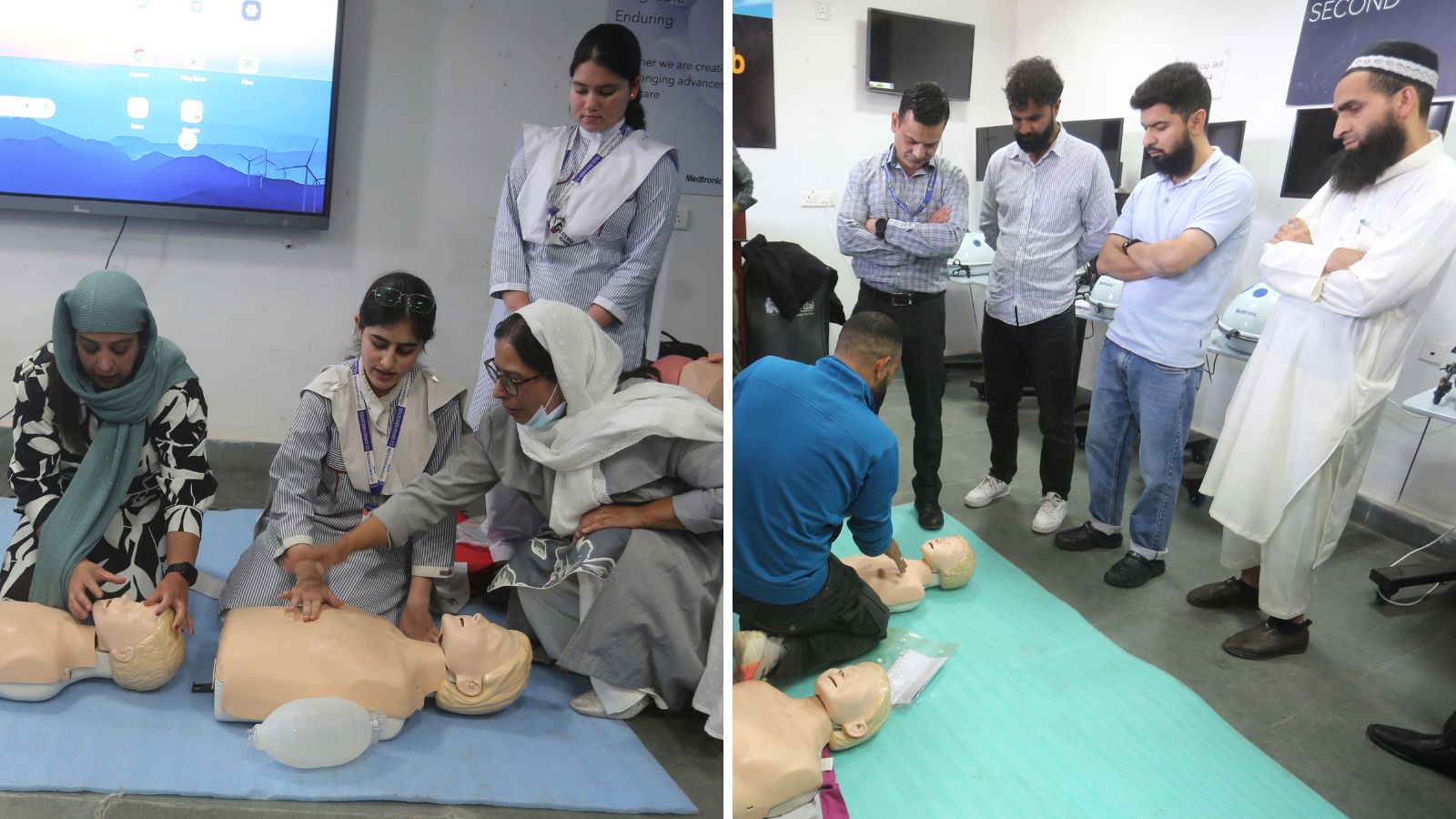
Srinagar and Bengaluru Train Ordinary People to Perform CPR
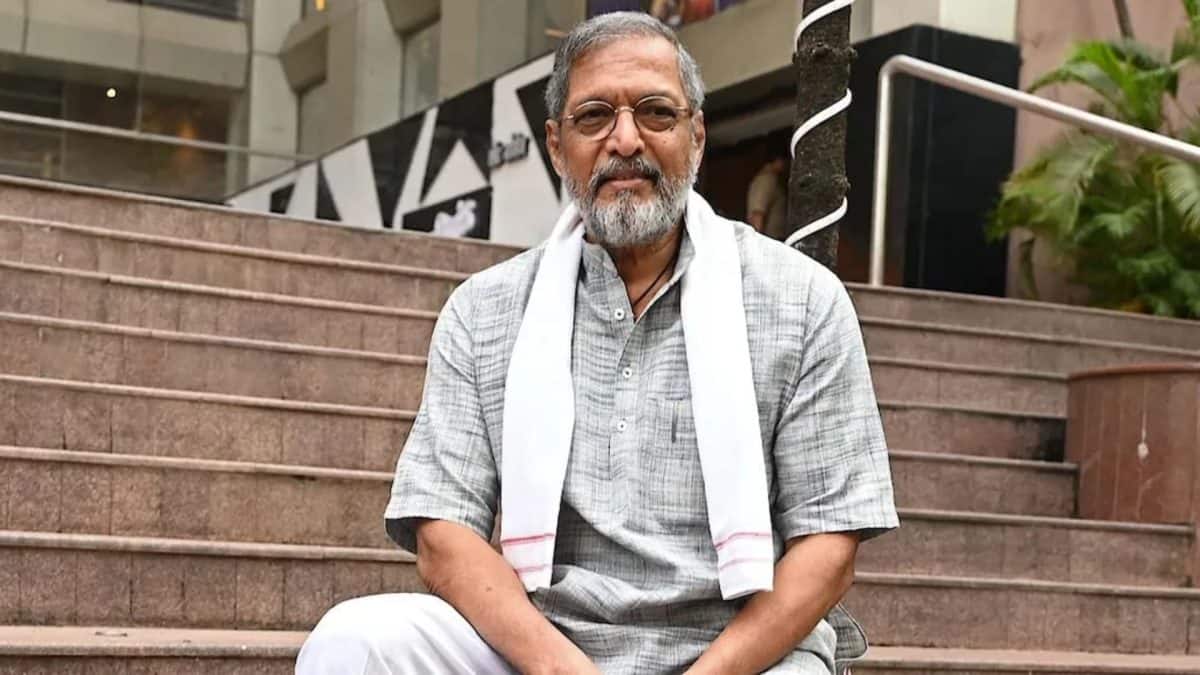
Doctor Explains Cardiac Arrest After Reports of Nana Patekar’s Death
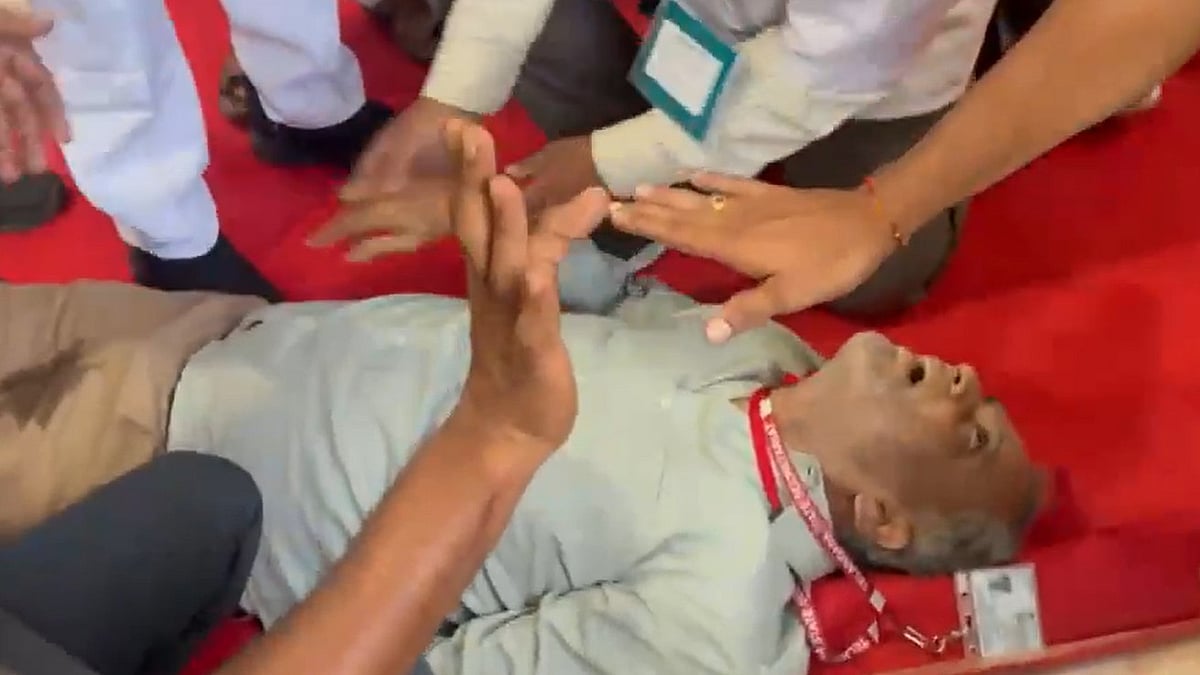
Telangana Minister Performs CPR as Assembly Official Dies

Nana Patekar Case Ends Without Ruling on Allegations

Nana Patekar’s Death Prompts Tributes From Actors and Fans

Five Nana Patekar Films That Flopped, Surprised or Found Fans Later
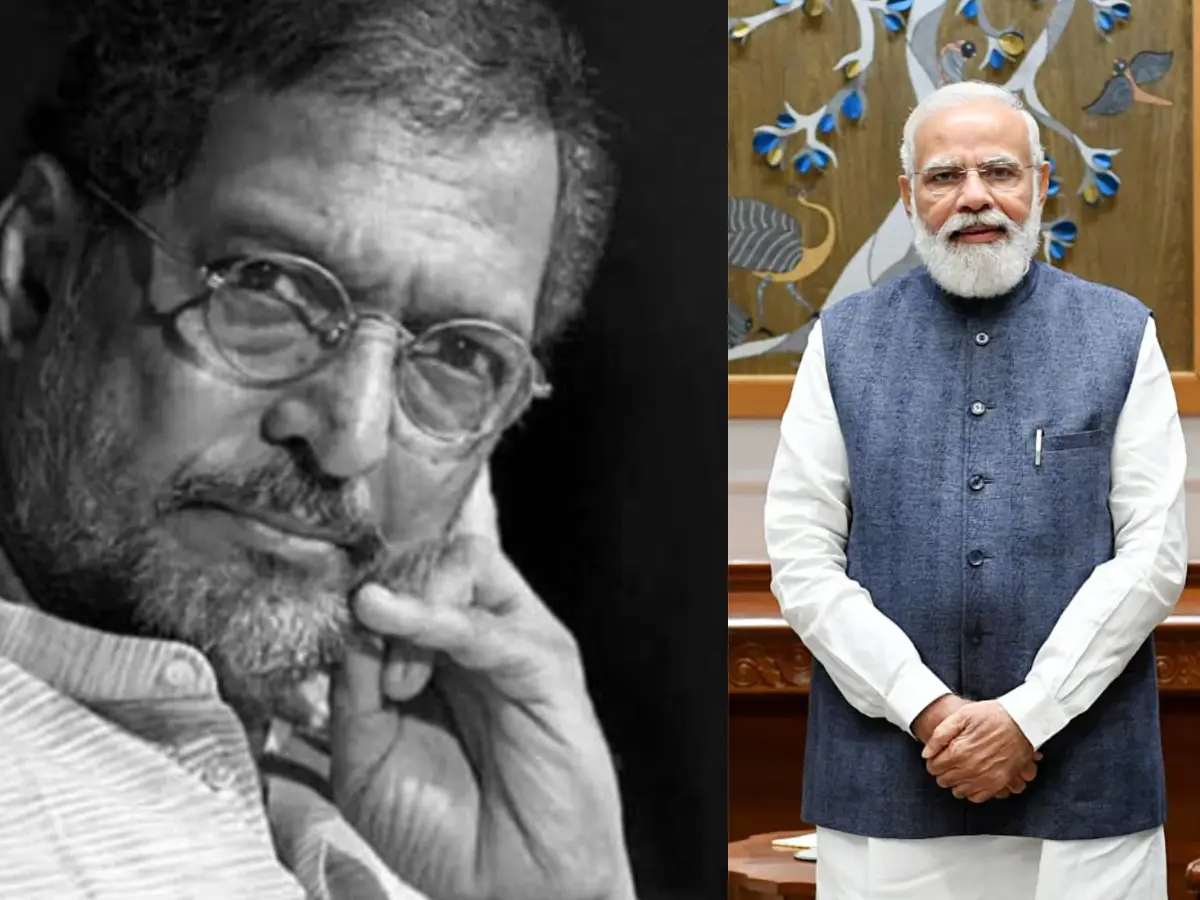
PM Modi and Leaders Mourn Actor Nana Patekar’s Death

Nana Patekar’s Private Family Life After His Death
