1 hr ago
Linked Wars Strain America’s Resources and Alliances

The article discusses two wars involving Ukraine, Russia, Iran and the United States.
It says Russia and Iran help each other with military technology and information.
China is also described as supporting both countries while calling for peace.
The fighting has made oil, grain and shipping more expensive.
The United States is said to be using many defensive missiles and may not have enough for every possible crisis.
Ukraine is also running short of weapons to stop Russian drones and missiles.
Peace talks have not solved the biggest disagreements over territory, military forces and security guarantees.
The article warns that the wars could spread and make it harder for the United States to respond elsewhere.

The article argues that the wars in Ukraine and Iran are connected through military cooperation among Russia, Iran and China.
It says US stocks of Patriot and THAAD missiles fell from 2,800 to 1,100 between the conflict’s start and late July.
Ukraine reportedly faces shortages of air-defense and aircraft missiles while Russian drone and missile attacks continue.
US-Iran tensions remain unresolved, with the Strait of Hormuz described as closed and oil-tanker attacks continuing.
The article warns that either conflict could expand into NATO territory or further complicate US priorities in the Indo-Pacific.
- Who
- The United States, Russia, Ukraine, Iran and China are the principal countries discussed; NATO, Israel and several Middle Eastern states are also involved according to the article.
- What
- Two continuing conflicts are affecting military resources, energy markets, diplomacy and the risk of wider escalation.
- Where
- The fighting is centered in Ukraine and Iran, with reported effects involving the Black Sea, Caspian Sea, Middle East, Strait of Hormuz, NATO territory and the Indo-Pacific.
- When
- The conflicts are ongoing; the article refers to developments through late July and warns about the approaching winter.
- Why
- The article attributes the continuing wars to unresolved political demands, military cooperation among Russia, Iran and China, and disagreements over territory, security guarantees and sanctions.
Ukraine, United States and Allied Positions
Russia, Iran and Their Partners’ Positions
Conditions for ending the Ukraine war
Ukraine, United States and Allied Positions
Ukraine is described as resisting territorial surrender and seeking security guarantees and the ability to maintain a strong army. The United States and European supporters are portrayed as continuing to assist Ukraine.
Russia, Iran and Their Partners’ Positions
Russia is described as insisting that Ukraine cede territory, reduce its armed forces and abandon hopes of joining NATO.
US-Iran conflict
Ukraine, United States and Allied Positions
The United States claims it is winning the economic pressure campaign and has continued military operations, while seeking terms that would address the conflict.
Russia, Iran and Their Partners’ Positions
Iran has rejected pressure to date, insists that the United States accept previously agreed terms and continues opposing the US presence and actions in the region.
China’s approach
Ukraine, United States and Allied Positions
China publicly seeks an end to both conflicts, but its support for Russia and Iran is presented as strengthening their positions rather than resolving the wars quickly.
Russia, Iran and Their Partners’ Positions
China’s reported provision of components, technology and market access helps Russia and Iran sustain their military and economic capabilities while preserving China’s influence in Eurasia.
Key facts
- US missile inventory
- The article cites a Los Angeles Times report saying the US had 2,800 Patriot and THAAD missiles at the conflict’s start and 1,100 by the end of July.
- Ukraine’s air defense
- Ukraine reportedly sought European help to procure PAC-3 missiles for Patriot systems.
- Economic effects
- The conflicts have increased oil and grain costs and may raise shipping expenses as refineries prioritize crude for general use over heavy fuel oil.
- Russia-Iran cooperation
- The article says Iran supplied Russia with drones and technology, while Russia provided Iran with intelligence, technical cooperation, logistics and missile-program support.
- China’s role
- China is described as supplying dual-use components and chip tools to Iran, supporting Russia’s drone industry and buying discounted Russian oil.
- Ukraine-Russia talks
- The article says Russia demands Ukrainian territorial concessions, reduced armed forces and abandonment of NATO membership hopes, while Ukraine seeks security guarantees and a strong army.
- Diplomatic efforts
- Qatar and Pakistan are described as intermediaries between the US and Iran, while Steve Witkoff and Jared Kushner pursued talks involving Russia and Ukraine.
Sources
Related news
Trump’s Moscow Mystery Raises Questions About Two Wars

Russia Reportedly Ships Drone and Missile Parts to Iran
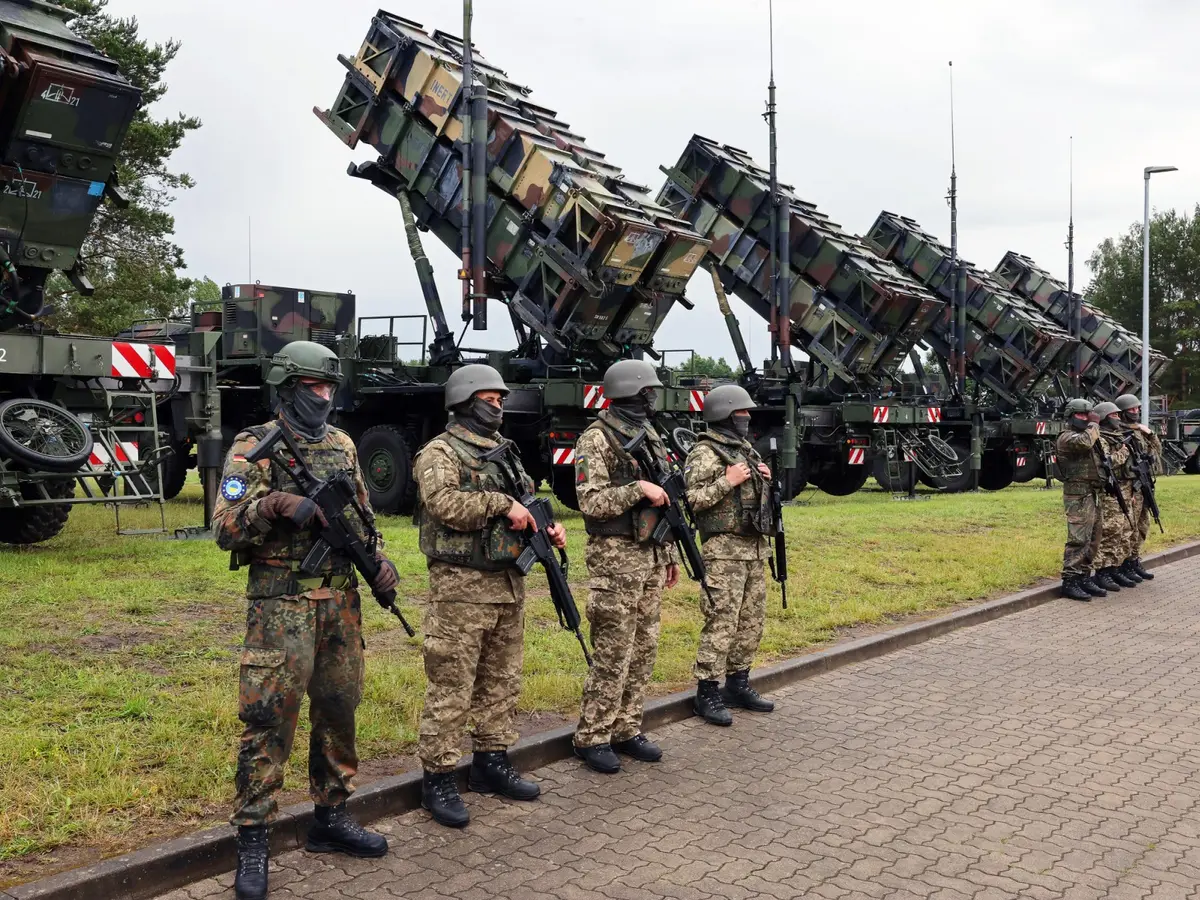
Iran War Drains Patriot Stocks, Raising NATO Defense Concerns

Ratcliffe Russia Visit Puts US-Iran Tensions Under Spotlight
Rubio Says Ukraine Strikes, Sanctions Are Hurting Russia’s Economy
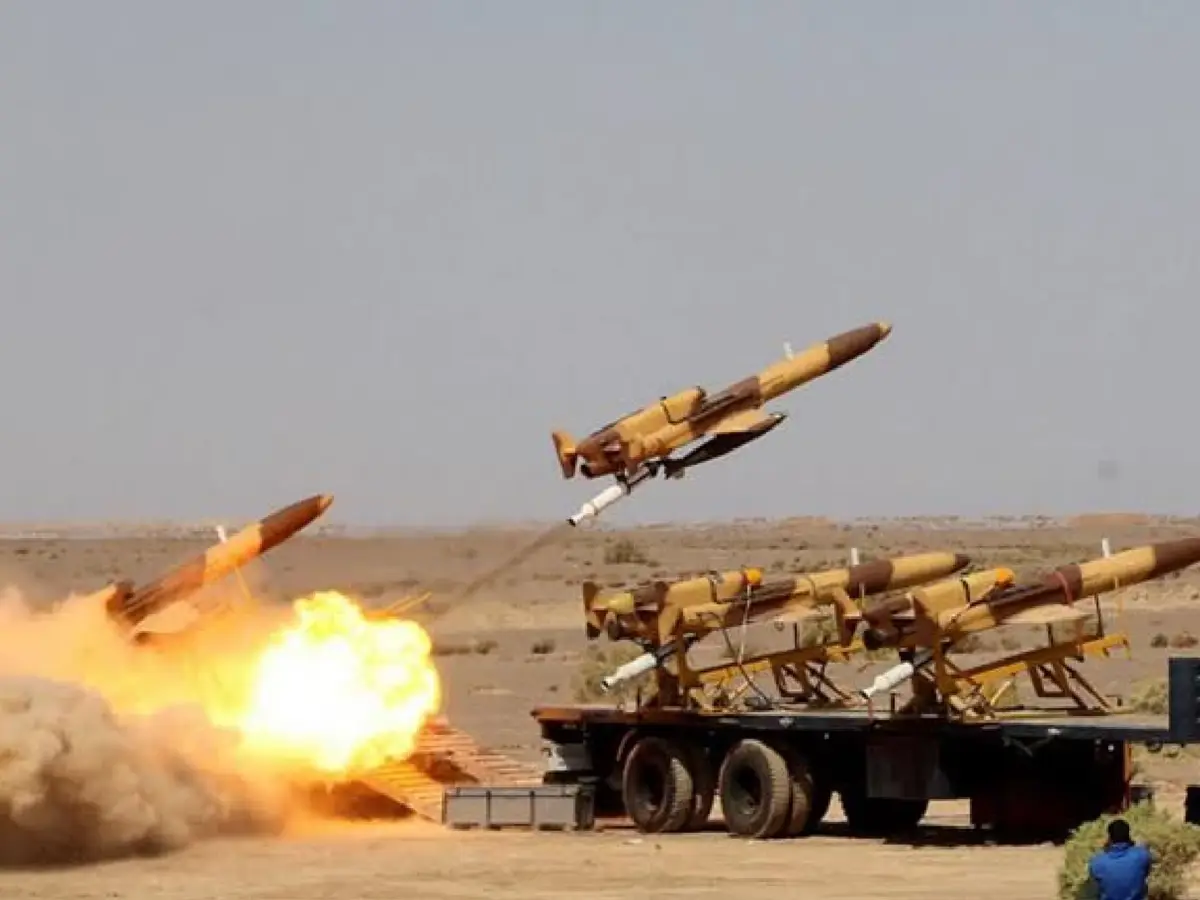
Iran Strikes US Bases as Russia Missile Project Emerges
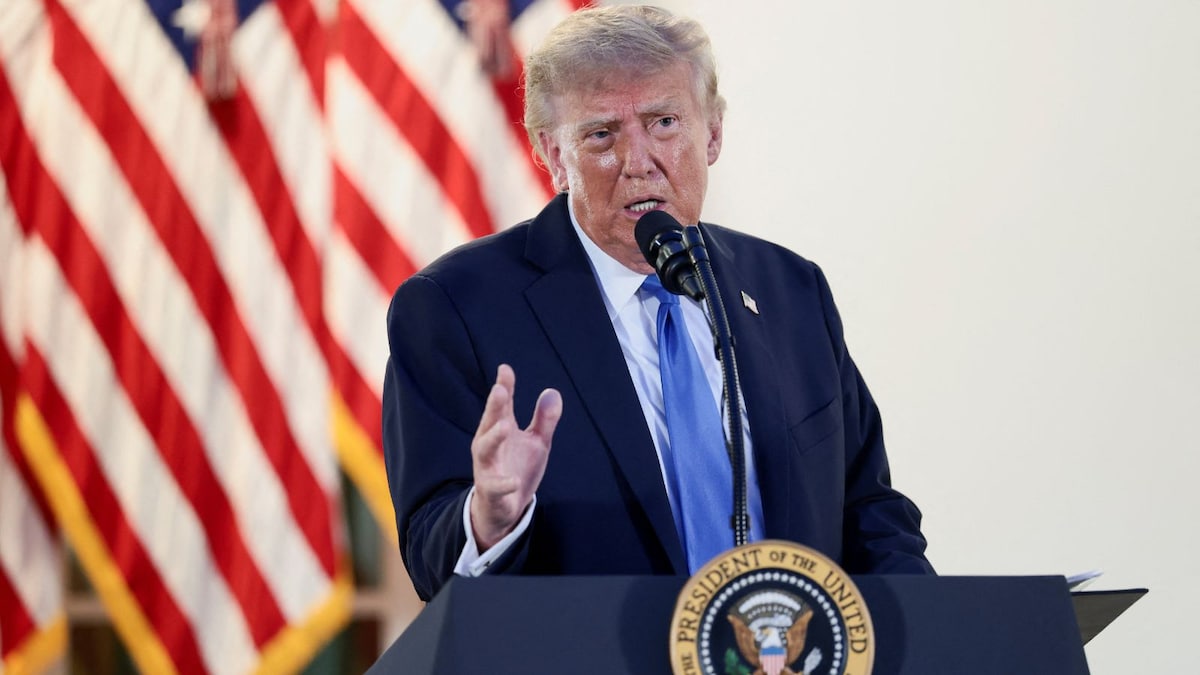
Trump Urges Ukraine to Halt Strikes on Russian Fuel

Trump Urges Zelenskyy to Halt Strikes on Russian Diesel Facilities
Ukraine Prepares for Possible October Russia-U.S. Talks
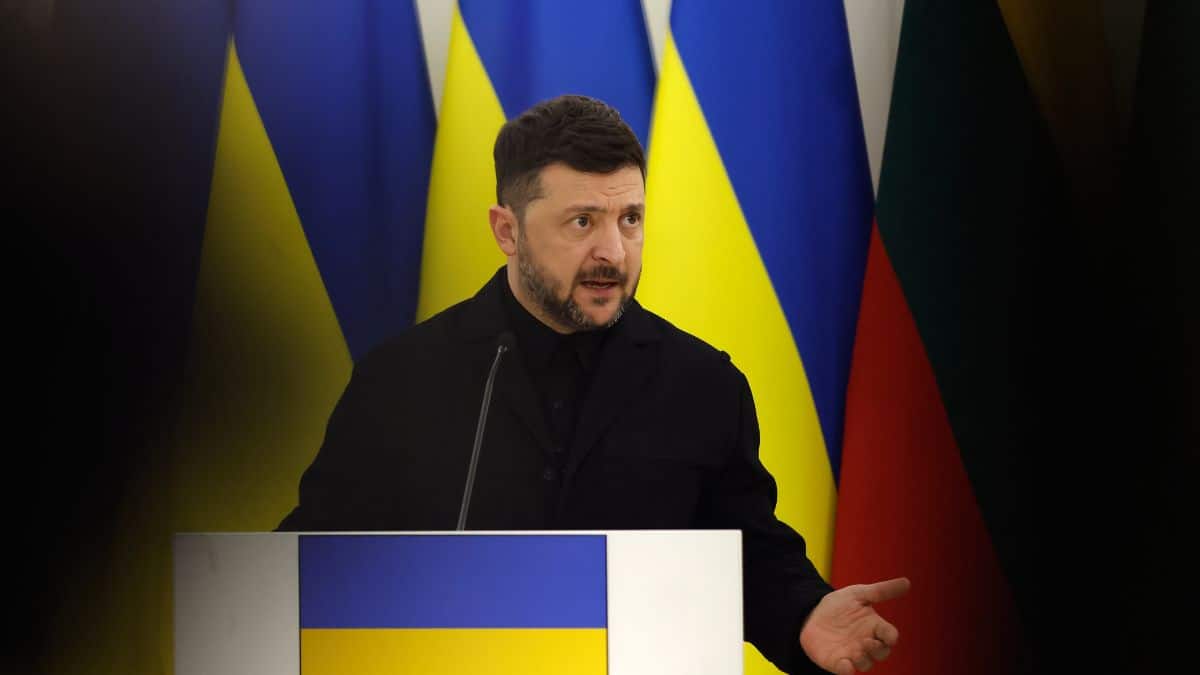
Zelenskyy Offers Putin Miami G20 Talks as Kremlin Invites Moscow