7 hrs ago
Passenger Locomotive Shortage Delays Indian Railways Services
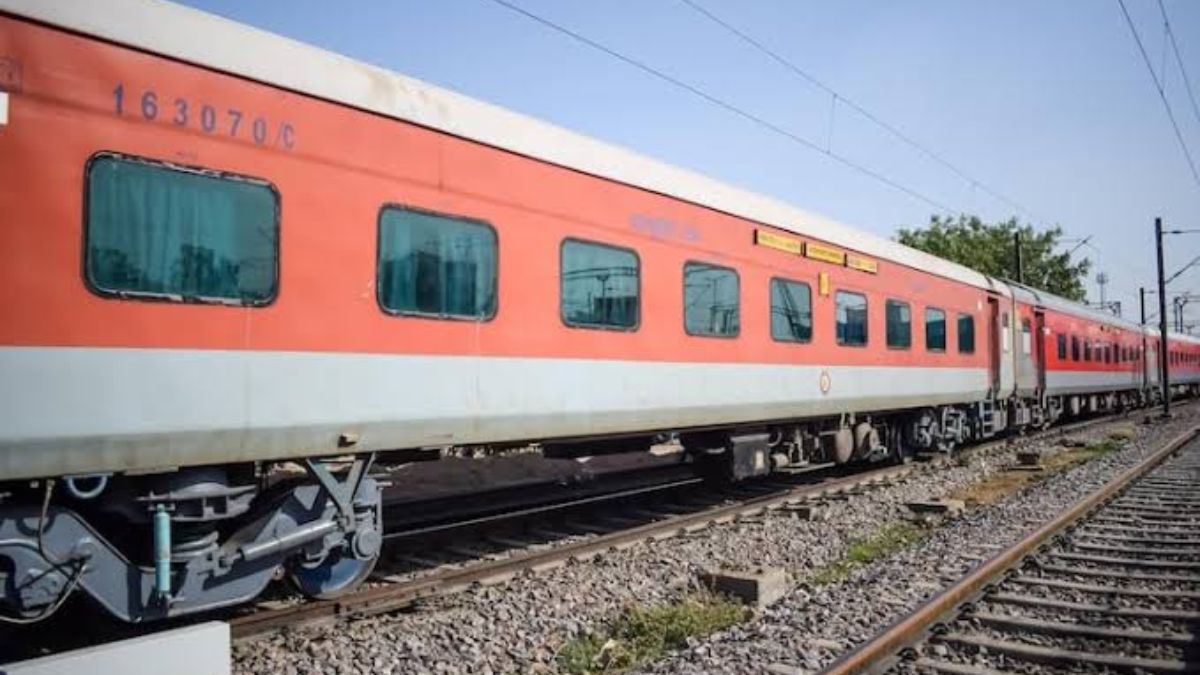
Indian Railways sometimes does not have a suitable passenger locomotive ready for a train.
When that happens, it may use a freight locomotive instead.
Freight locomotives are generally allowed to travel more slowly than passenger locomotives.
This can make passenger trains lose time and arrive late.
The report says around 80 to 100 substitutions happen each month.
One train, the Ballia-Dadar Central Express, was delayed by more than five hours in September 2026.
Railway records also describe other passenger trains using freight engines.
The Ministry says it has approved production of 679 passenger locomotives over two years.
It also points to modern trainsets and better use of existing engines as ways to address the issue.

Railway records cited in the report show freight locomotives are substituted on passenger trains when suitable passenger engines are unavailable.
Officials say around 80 to 100 such substitutions are reported each month across railway zones.
Freight locomotives generally have lower permitted speeds, contributing to slower journeys and delays.
The Ballia-Dadar Central Express was detained for 328 minutes on September 3, 2026, after receiving a lower-speed goods locomotive.
The Ministry has approved 679 passenger locomotives for production across 2026-27 and 2027-28.
- Who
- Indian Railways, its Ministry, and passengers on services using substitute freight locomotives.
- What
- Passenger locomotives are reportedly in short supply, leading to freight engines being used on some passenger trains and contributing to delays.
- Where
- Across different Indian railway zones, including the Bina-Khandwa section and routes serving Kanpur, Prayagraj, Telangana, and Rajasthan.
- When
- The report describes cases in September 2026 and planned locomotive production in 2026-27 and 2027-28.
- Why
- Suitable passenger locomotives are not always available; the Ministry says it is increasing production and improving use of existing assets.
Railway records and reported service impacts
Ministry and railway officials
Extent of the locomotive shortfall
Railway records and reported service impacts
Railway records cited in the report show repeated use of freight locomotives on passenger services, with some resulting in delays.
Ministry and railway officials
The Ministry says locomotive production has increased over the past 12 years and that more passenger engines, modern trainsets, and improved asset use will address operational needs.
Reasons for fleet constraints
Railway records and reported service impacts
The reported records show that passenger locomotives are unavailable in specific cases, requiring lower-speed freight engines as substitutes.
Ministry and railway officials
A senior zonal railway official attributed current constraints partly to shortages accumulated during earlier years, saying they would be compensated in due course.
Key facts
- Reported substitutions
- Around 80 to 100 instances each month across railway zones, according to officials.
- Planned production
- 679 passenger locomotives approved for 2026-27 and 2027-28: 492 in the first year and 187 in the second.
- Ballia-Dadar Express
- Train No. 11044 was detained for 328 minutes, or 5 hours and 28 minutes, on September 3, 2026.
- Substitute engine in that case
- A goods locomotive with a permitted speed of 100 kmph replaced the scheduled WAP-4, which the report says can run above 130 kmph.
- Fleet as of September 2026
- About 17,900 locomotives: approximately 13,700 electric and 4,200 diesel.
- Passenger electric locomotives
- About 3,400 of the electric locomotives were passenger engines of different WAP variants.
- Diesel locomotives on passenger links
- 284 of approximately 4,200 diesel locomotives were deployed for passenger links.
- Production breakdown as reported
- The article says the 2026-27 programme includes 326 WAP-7 and 166 WAP-7 locomotives; the repeated model designation is not clarified.
Quotes
Senior zonal railway official
A senior official in a railway zone commenting on locomotive production and past shortages.
“The production of locomotives has increased manifold in the last 12 years. However, years of neglect of several crucial manufacturing activities before 2014, which caused a severe shortage of locomotives, wagons and coaches, will be compensated in due course of time.”
 financialexpress.com
“Due to shortage of passenger locomotives, the rail administration has to substitute it with freight engines. This led to a delay of at least 30 minutes as the train operated at 100 kmph in sections where the speed permission was 130.”
financialexpress.com
Sources
Related news
Indian Railways Cancels 13 Trains During Winter Fog Period

Railways Set To Phase Out ICF Coaches By FY28
Indian Railways Plans More Tracks and Corridors for Freight

Passengers Demand Restoration of Discontinued Trains and MMTS Services
Indian Railways Extends Route Changes for 15 Trains
Indian Railways Passenger Traffic Rises in August 2026
Railways Must Pay Passenger After Theft in Reserved Coach
RRBs Open 3,548 Graduate NTPC Vacancies for 2026

Nityas Gems Rises as Vishal Nirmiti Falls After IPO Listings