

1 day ago
South Korea’s First After-Hours Session Faces Extreme Volatility

South Korea’s main stock market began allowing people to trade stocks in the evening.
Trading is now available from 4 p.m.
to 8 p.m.
This was an early step toward trading for nearly the whole day.
Many individual investors used the new session, but big institutions mostly did not.
Because there were fewer buyers and sellers, some stock prices moved very quickly.
Trading was temporarily stopped 1,637 times to manage sudden price changes.
Smaller companies sometimes rose 15% to 30% and then fell just as quickly.
The new hours could help people react to news after the regular market closes.
However, the market may remain risky until more large investors participate.

Korea Exchange launched evening trading from 4 p.m. to 8 p.m. on Monday.
The session recorded 1,637 brief trading halts, more than four times the regular-session total.
Retail investors represented 93% of the session’s 1.8 trillion won turnover.
Foreign investors accounted for 3.9% of trading, while institutions largely stayed away.
Market observers said limited institutional participation contributed to sharp moves, especially in smaller stocks.
- Who
- Korea Exchange, individual investors, foreign investors, local institutions, and market observers were involved in or commented on the session.
- What
- Korea Exchange launched a four-hour after-hours stock-trading session that experienced highly volatile, retail-dominated trading.
- Where
- On South Korea’s main stock exchange.
- When
- The first extended session took place on Monday, with trading from 4 p.m. to 8 p.m.
- Why
- The extended hours are intended to give investors more time to react to late-breaking news and help Korea Exchange attract more global investors.
Arguments for Extended Trading
Concerns About Market Risk
Investor access
Arguments for Extended Trading
Longer hours can help retail investors respond quickly to news released after the regular session and may help level the playing field.
Concerns About Market Risk
Retail investors dominated the session, while institutions mostly stayed on the sidelines, potentially leaving markets with less liquidity.
Global competitiveness
Arguments for Extended Trading
Extended trading is part of Korea Exchange’s effort to attract more international investors and keep pace with markets considering nearly round-the-clock trading.
Concerns About Market Risk
Foreign investors represented only 3.9% of turnover in the first session, suggesting the new hours have not yet attracted substantial global participation.
Price movements
Arguments for Extended Trading
The new session allows investors to act on developments without waiting until the next regular trading day.
Concerns About Market Risk
Observers reported smaller stocks moving 15% to 30% on relatively minor news before reversing, while frequent trading halts highlighted the risks.
Key facts
- Trading hours
- 4 p.m. to 8 p.m.
- Stocks traded
- 2,501 different stocks
- Extended-session turnover
- 1.8 trillion won
- Retail investor share
- 93% of total turnover
- Foreign investor share
- 3.9% of total turnover
- Brief trading halts
- 1,637, more than four times the regular-session number
- Regular-session comparison
- The evening session had substantially more volatility interruptions than the day session
Quotes
Sanghyun Park
Founder of Clepsydra Capital
“Institutional traders mostly stayed on the sidelines, so there just weren’t enough buy and sell orders in the market. Retail investors clearly want after-hours trading, but until bigger players step in and provide more liquidity, it’s likely to remain pretty risky.”
 livemint.com
“Smaller stocks were an absolute roller coaster, jumping 15% to 30% on relatively minor news before dropping just as quickly.”
livemint.com
Sources
Related news

South Korea Extends Stock Trading Hours to Attract Global Investors
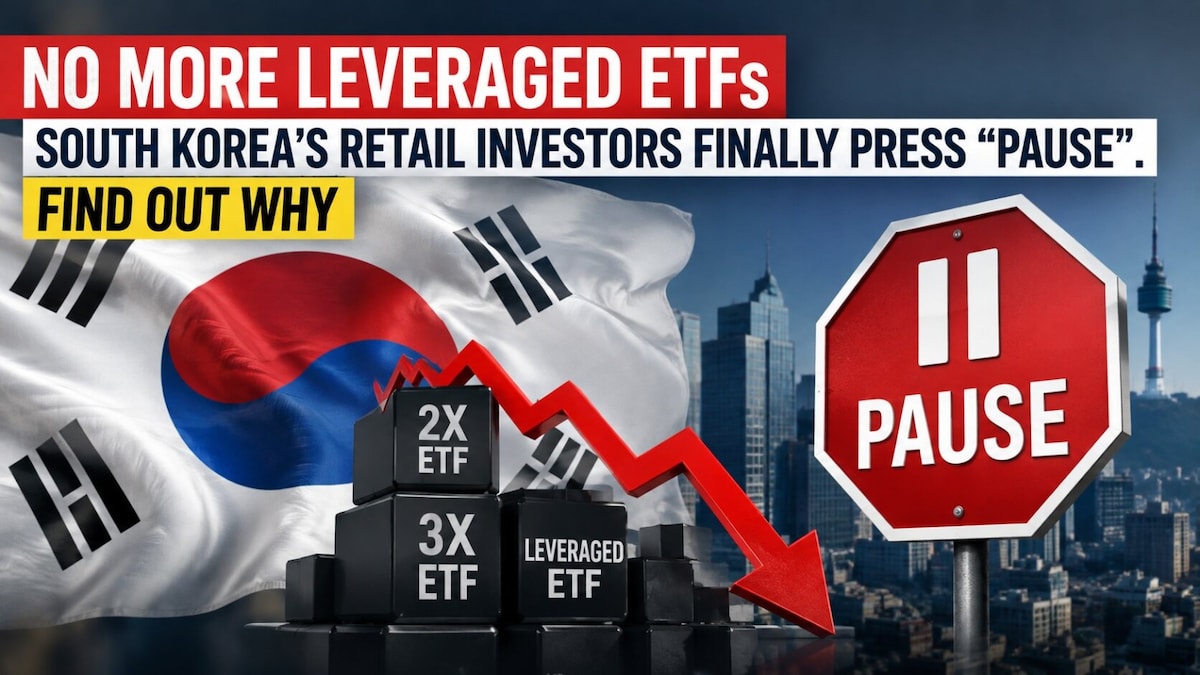
Mock-Trading Rules Cool South Korea’s Leveraged Chip ETF Frenzy

Tokenized US Equities Show Demand Beyond Wall Street Hours

South Korea’s Leveraged ETFs Turn Stock Market Into Fright Ride

Nasdaq Plans 23-Hour Trading Day From December 2026

Korean Investors Shift From Home Stocks to Costlier US Names
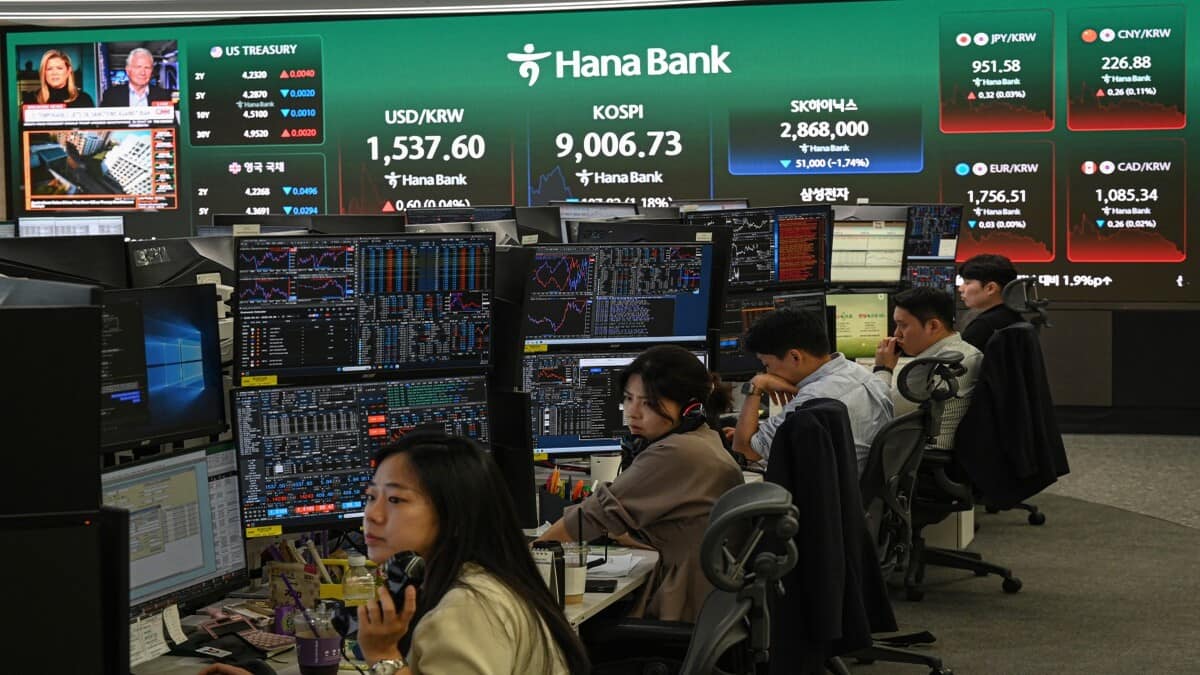
South Korea Sets February 2027 Tokenised Securities Launch

Leveraged ETF Rotation Fuels 30% Jump in Korea Small Caps
