6 hrs ago
Pezeshkian Says US Pressure Threatens Iran Talks and Regional Stability
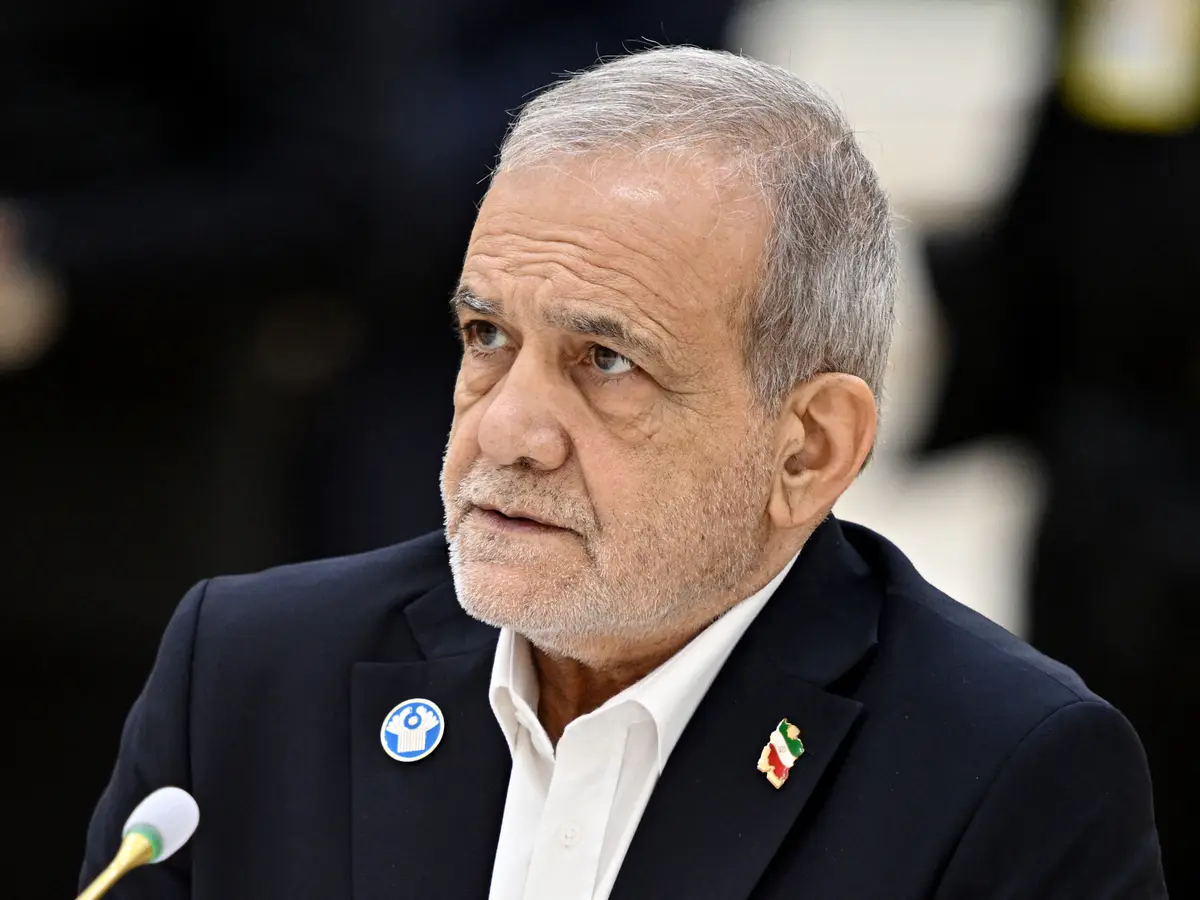
Iranian President Masoud Pezeshkian says talks with the United States are unlikely to work if one side uses threats or pressure.
He says both sides need to respect each other and keep their promises.
He also warned that sanctions on Iran could affect trade, energy and other parts of the region.
The conflict began after attacks by the United States and Israel on Iran in late February, while nuclear talks were underway.
A plan agreed in June did not bring a lasting end to the fighting.
Later indirect talks also did not reach a breakthrough.
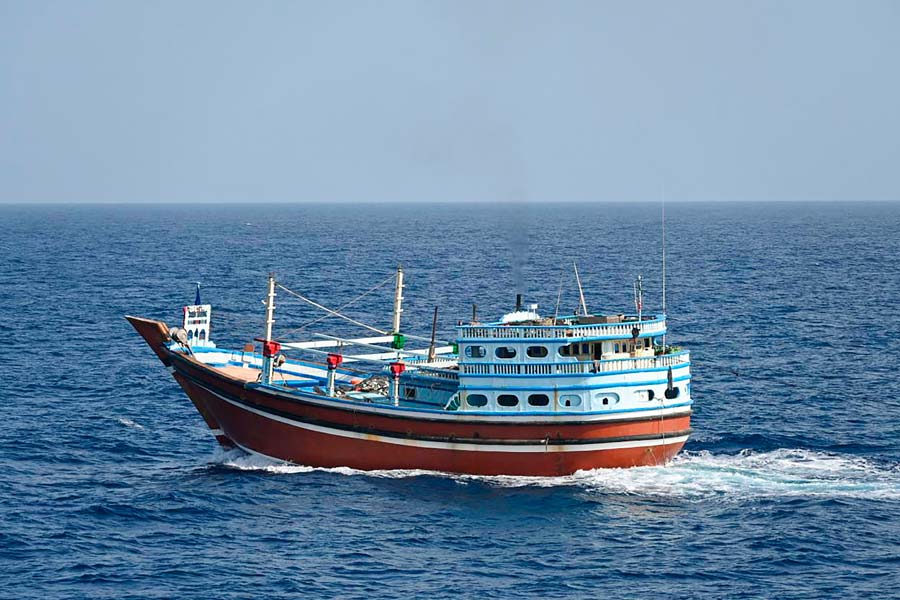
The Strait of Hormuz has become an important point of disagreement.
Iran has attacked some ships, while the United States has imposed a counterblockade and struck vessels it says violated restrictions.
The United States and Israel say their campaign is meant to stop Iran from getting nuclear weapons; Iran denies seeking them.

Iranian President Masoud Pezeshkian said negotiations need mutual respect and commitments, without pressure or threats.
He warned that sanctions on Iran could affect regional trade, connectivity, energy and order.
Pezeshkian made the remarks Friday, October 9, at a Commonwealth of Independent States summit in Turkmenistan.
Efforts to end hostilities remain stalled, including indirect discussions on the sidelines of the United Nations General Assembly.
The dispute also involves the Strait of Hormuz, where Iran and the United States have taken opposing actions.
- Who
- Iranian President Masoud Pezeshkian, the United States and Israel.
- What
- Pezeshkian warned that negotiations need mutual respect and that sanctions could have wider regional consequences.
- Where
- At a Commonwealth of Independent States summit in Turkmenistan; the dispute also concerns the Strait of Hormuz.
- When
- Friday, October 9; he had also criticized talks on Monday, October 5. The year is not specified.
- Why
- Pezeshkian says pressure and threats undermine negotiations, while sanctions could affect regional trade, connectivity, energy and order.
Iran's position
US and Israeli position
Conditions for negotiations
Iran's position
Pezeshkian says talks can succeed only with mutual respect and commitments, and without pressure or threats.
US and Israeli position
The articles describe continued US-Iran negotiations and US actions, but do not provide a direct US response to Pezeshkian's demand.
Purpose of the military campaign
Iran's position
Iran denies seeking to develop nuclear weapons and says pressure, sanctions and attacks undermine negotiations.
US and Israeli position
The United States and Israel say their military campaign is intended to prevent Iran from acquiring nuclear weapons.
Strait of Hormuz
Iran's position
Iran has sought to exercise control over the waterway and has attacked vessels attempting to pass without its authorization.
US and Israeli position
The United States has imposed a counterblockade of Iranian ports and struck vessels it accuses of violating restrictions.
Key facts
- Speaker
- Iranian President Masoud Pezeshkian
- Summit location
- Turkmenistan
- Summit date
- Friday, October 9; year not stated
- Conflict start
- Late February, following US and Israeli attacks on Iran
- June agreement
- A memorandum of understanding outlined a framework for a lasting settlement but did not end hostilities permanently.
- Negotiation status
- Talks remain stalled; recent indirect discussions on the sidelines of the United Nations General Assembly produced no breakthrough.
- Main flashpoint
- The Strait of Hormuz, where Iran has sought control and the United States has imposed a counterblockade of Iranian ports.
Quotes

Masoud Pezeshkian
President of Iran
“With an enemy that everyday resorts to assassination, sanctions, pressure and threats, and that breaks its commitments, negotiations are meaningless.”
 wionews.com
“Dialogue holds meaning and a chance of success only when based on mutual respect and mutual commitments, and when devoid of pressure and threat.”
wionews.com
Sources
Related news
Pezeshkian Says US Talks Need Mutual Respect, Not Pressure
Pezeshkian Calls US Talks Meaningless After Three Attacks

Iran, US Remain Far Apart as Diplomacy Continues
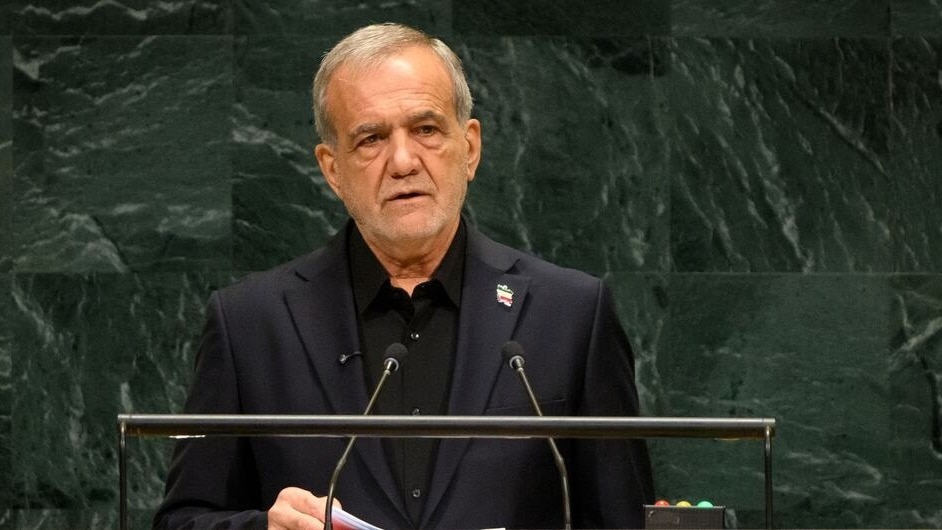
Iran’s Pezeshkian Urges US to Revive June Truce Before Midterms
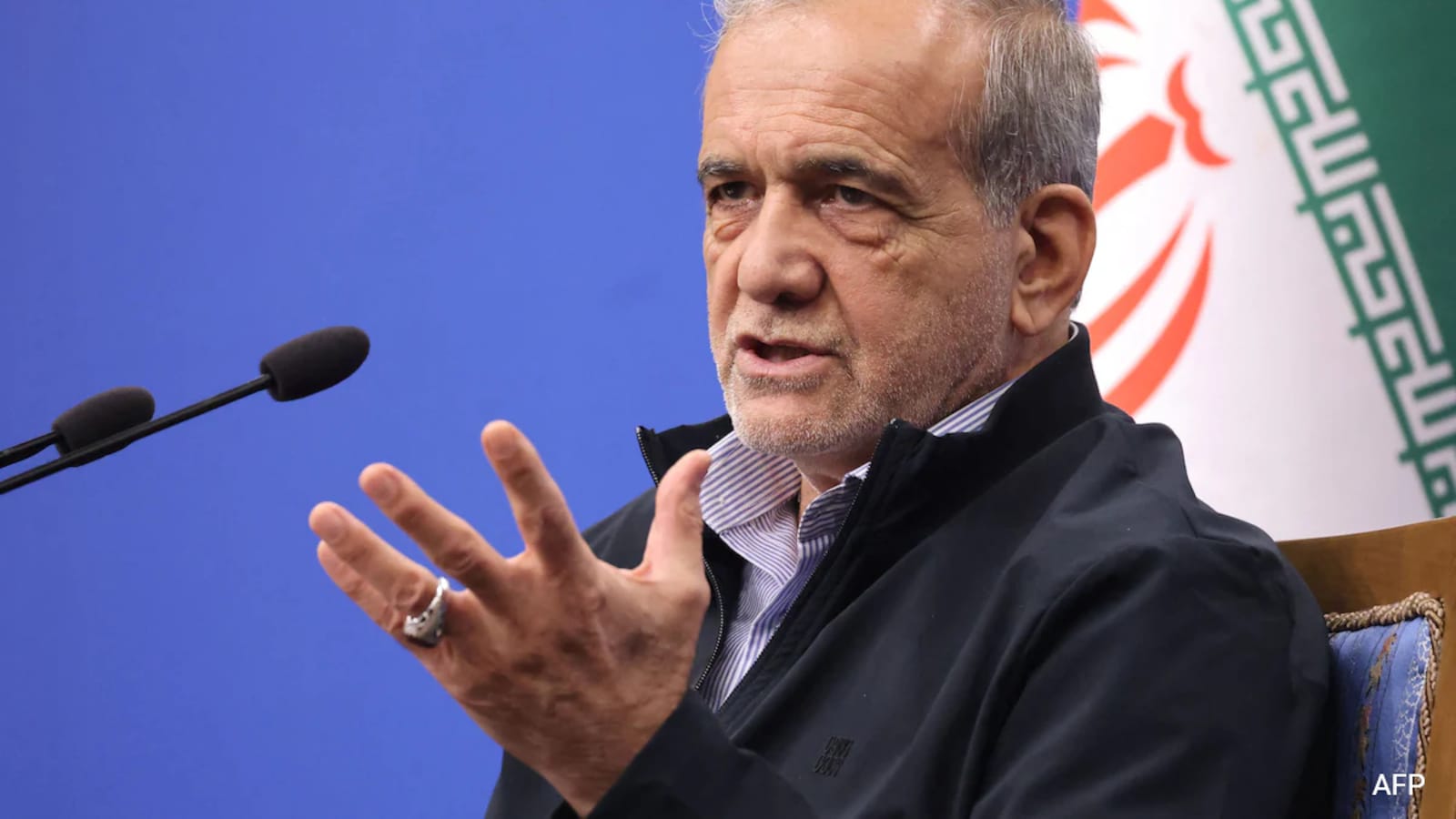
Iran Rejects US ‘Regional Policeman’ Role Amid Hormuz War
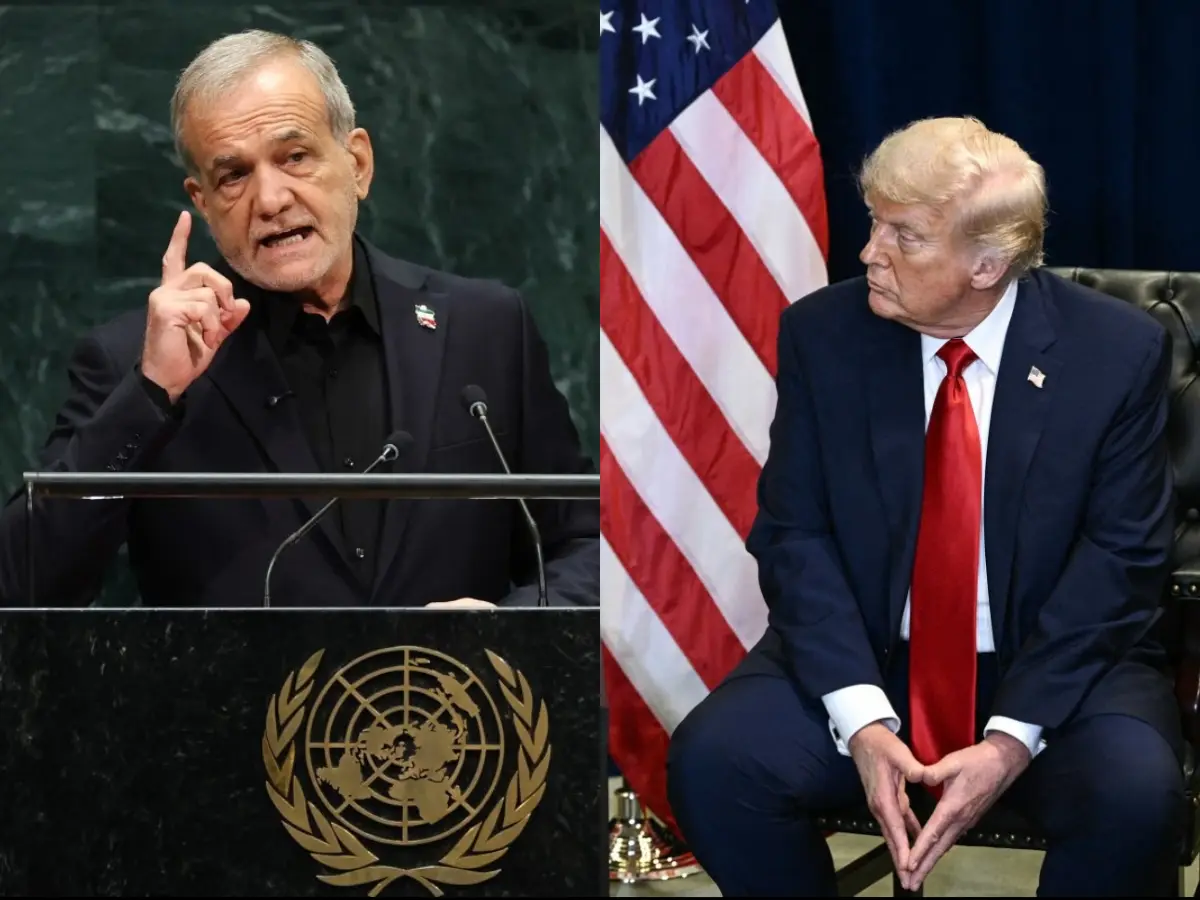
Pezeshkian Defies Trump With Defiant UN Speech on Iran

Iran Says LPG Tanker Struck Over Alleged Illegal Hormuz Route
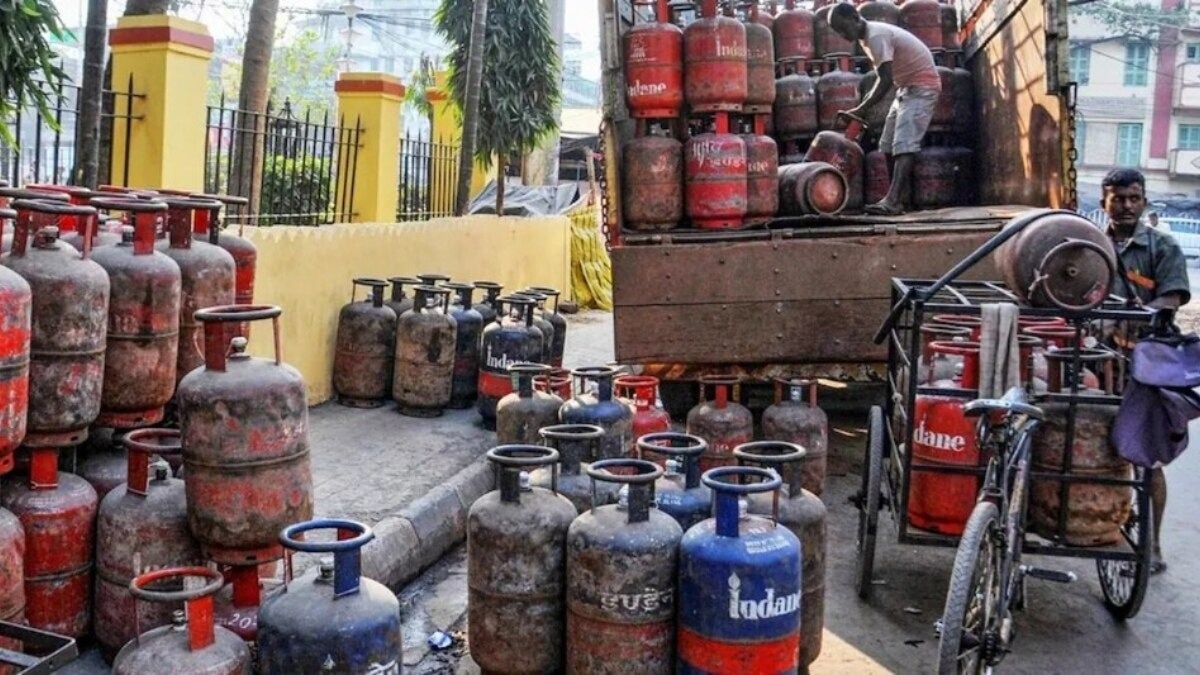
India’s LPG Supply Shifts Toward UAE as US Shipments Fall

IRGC Claims LPG Carrier Strike, Threatens Ships Beyond Hormuz