5 hrs ago
Pezeshkian Says US Talks Need Mutual Respect, Not Pressure
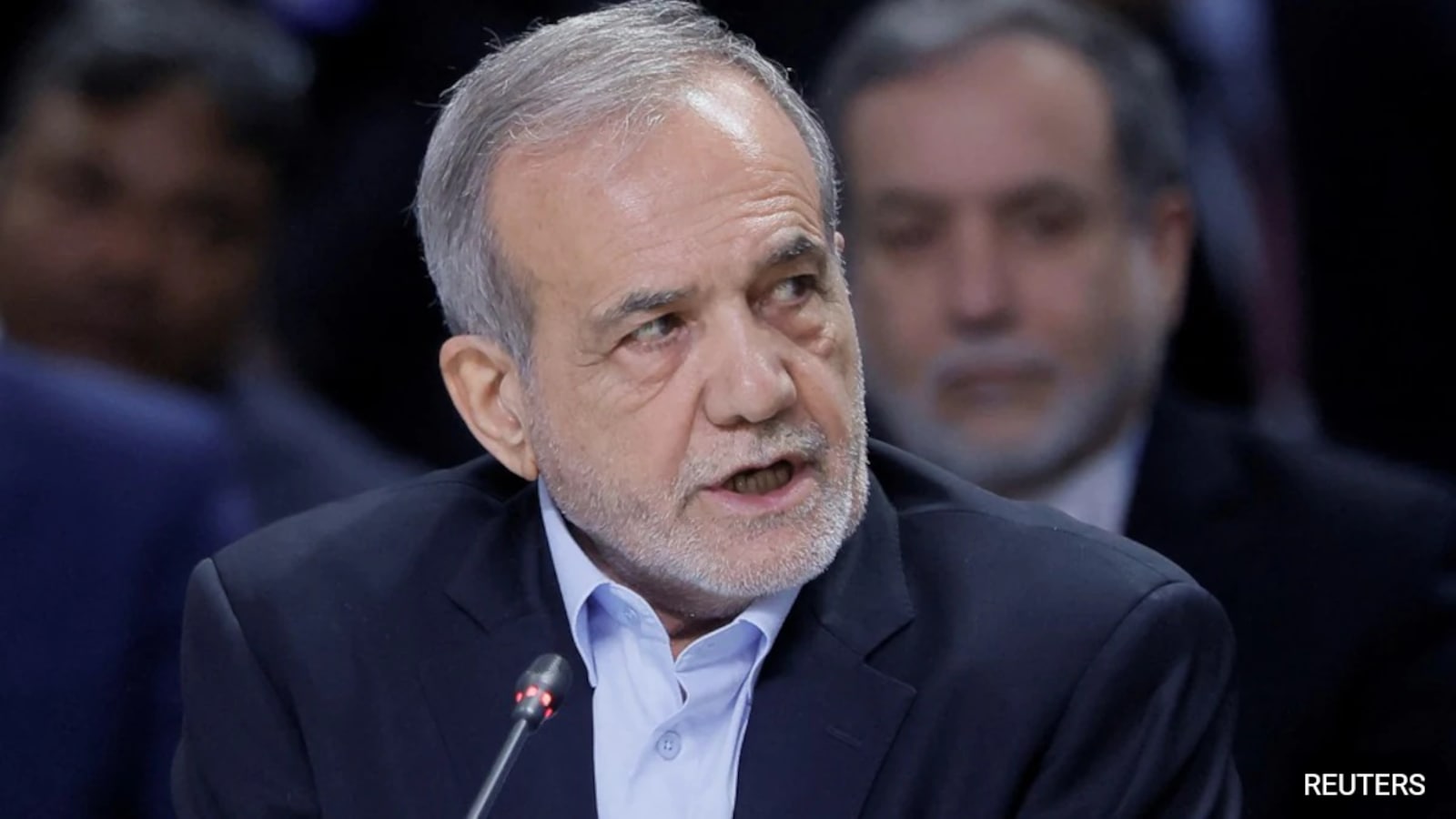
Iran’s president, Masoud Pezeshkian, says talks with the United States can work only if both sides treat each other with respect.
He says negotiations cannot succeed when one side uses threats or pressure.
The war began with US and Israeli attacks on Iran while the United States and Iran were discussing Iran’s nuclear programme.
The sides agreed on a framework in June, but fighting later resumed.
More recent talks did not produce a breakthrough.
The United States has reduced military operations and has relied more on economic pressure, according to the article.
The Strait of Hormuz has become a focus because its closure shook global energy markets.
Iran and the United States have each taken actions against ships and ports connected to the conflict.

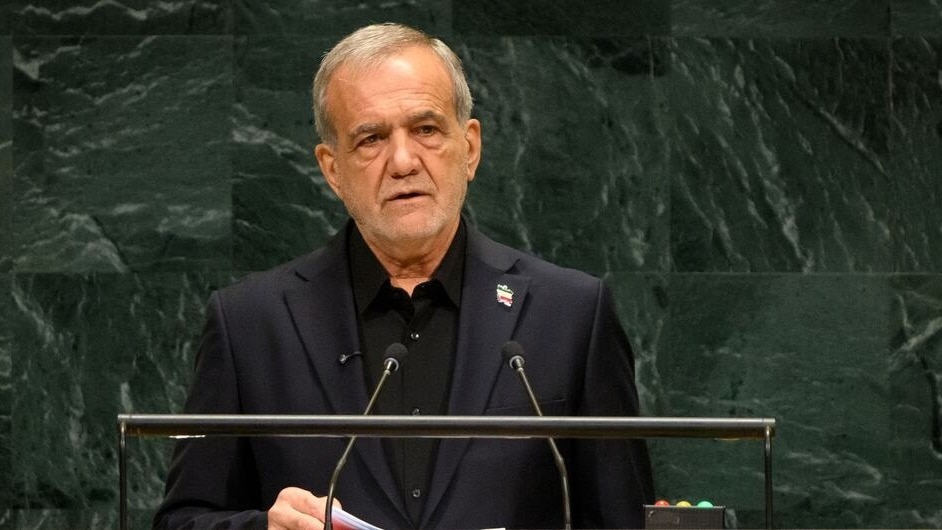
Iranian President Masoud Pezeshkian said negotiations can succeed only with mutual respect and without pressure or threats.
He spoke Friday at a Commonwealth of Independent States summit in Turkmenistan and warned sanctions could affect regional trade, energy and connectivity.
Pezeshkian said Monday that talks with the United States were meaningless, citing attacks, sanctions and broken commitments.
The war began with US and Israeli attacks on Iran while Washington and Tehran were negotiating over Iran’s nuclear programme.
Efforts to resolve the conflict have stalled; the closure of the Strait of Hormuz and competing restrictions on shipping have affected energy markets.
- Who
- Iranian President Masoud Pezeshkian, the United States and Iran.
- What
- Pezeshkian said negotiations need mutual respect and must be free of pressure and threats.
- Where
- At a Commonwealth of Independent States summit in Turkmenistan.
- When
- He made the remarks Friday at a regional summit; the article also refers to comments he made Monday.
- Why
- Pezeshkian argued that pressure and threats make negotiations meaningless and warned sanctions could affect regional trade, connectivity, energy and order.
Iran's Position
US and Israeli Position
Conditions for negotiations
Iran's Position
Pezeshkian says talks can succeed only with mutual respect and commitments, without pressure or threats.
US and Israeli Position
The article reports that Washington has shifted toward economic pressure and that the United States and Israel say the war is necessary to prevent Iran from acquiring nuclear weapons.
Iran's nuclear programme
Iran's Position
Iran has long denied seeking to acquire nuclear weapons.
US and Israeli Position
The United States and Israel say the war is necessary to prevent Iran from acquiring nuclear weapons.
Strait of Hormuz
Iran's Position
Iran has sought to impose control over the shipping lane and has struck vessels attempting to transit without its authorization.
US and Israeli Position
The United States has imposed a counterblockade of Iranian ports and struck vessels it accuses of violating it.
Key facts
- Speaker
- Iranian President Masoud Pezeshkian
- Summit
- Commonwealth of Independent States summit
- Location
- Turkmenistan
- Conflict began
- Late February, with US and Israeli attacks on Iran
- June development
- The parties agreed to a memorandum of understanding outlining a framework for a permanent resolution.
- Latest reported talks
- Indirect US-Iran talks on the sidelines of the UN General Assembly failed to produce a breakthrough.
- Shipping focus
- The Strait of Hormuz closure disrupted global energy markets.
- US military action
- The article says the United States had not struck Iran since September 1.
Quotes

Masoud Pezeshkian
President of Iran
“Dialogue holds meaning and a chance of success only when based on mutual respect and mutual commitments, and when devoid of pressure and threat.”
 NDTV
NDTV
“Negotiation conducted in the shadow of force is not negotiation, it is imposition and coercion.”
NDTV
Sources
Related news
Pezeshkian Says US Pressure Threatens Iran Talks and Regional Stability
Pezeshkian Calls US Talks Meaningless After Three Attacks

Iran, US Remain Far Apart as Diplomacy Continues
Iran Says US Must Choose Whether to End War
Iran’s Pezeshkian Urges US to Revive June Truce Before Midterms
Iran Signals Talks While Warning Conflict Could Expand

Iran Says LPG Tanker Struck Over Alleged Illegal Hormuz Route
India’s LPG Supply Shifts Toward UAE as US Shipments Fall

IRGC Claims LPG Carrier Strike, Threatens Ships Beyond Hormuz