15 hrs ago
UPSC Practice Examines Shastri’s Gandhian Values and India’s Languages
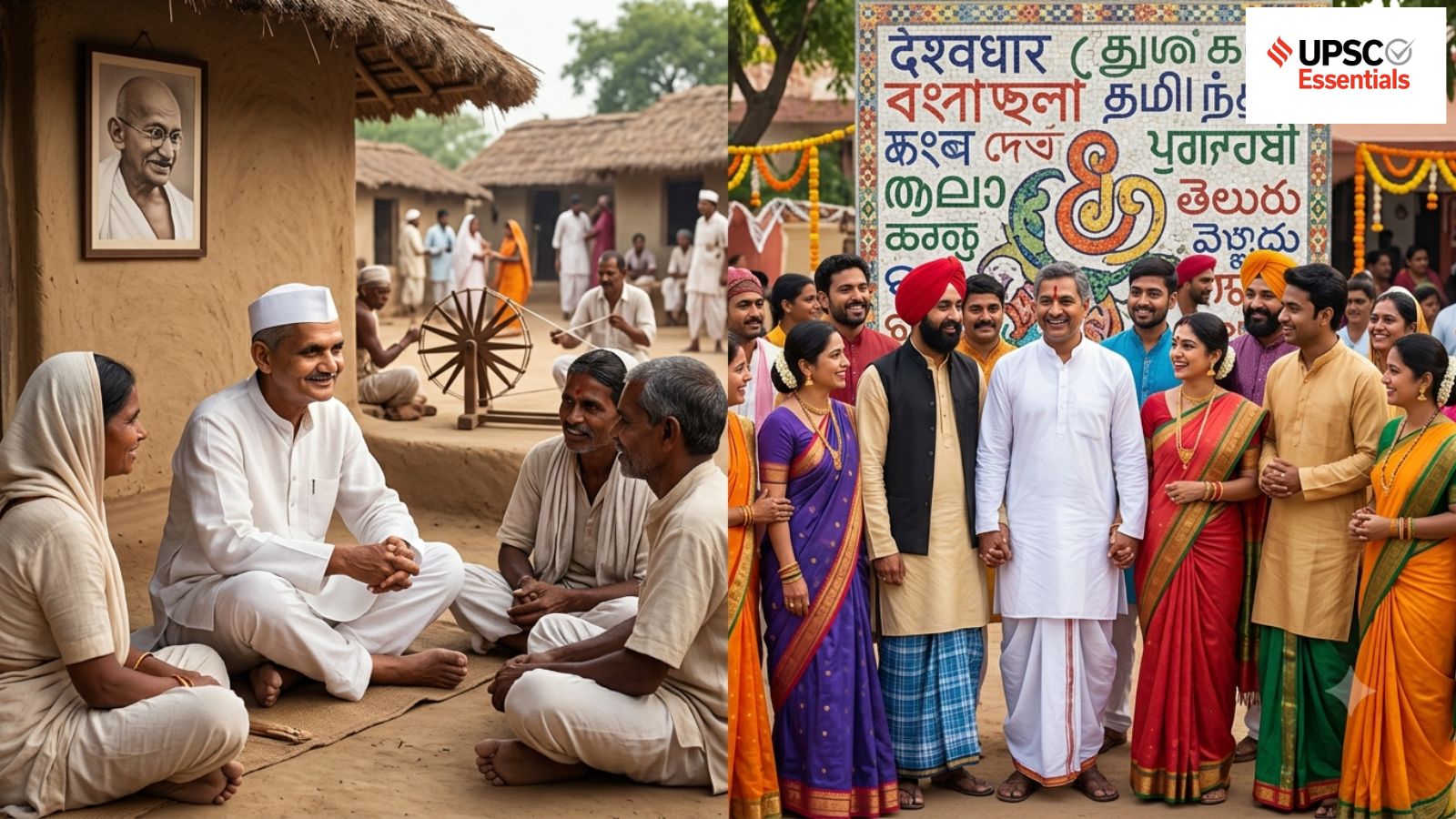
This article gives civil-services students two questions to practise.
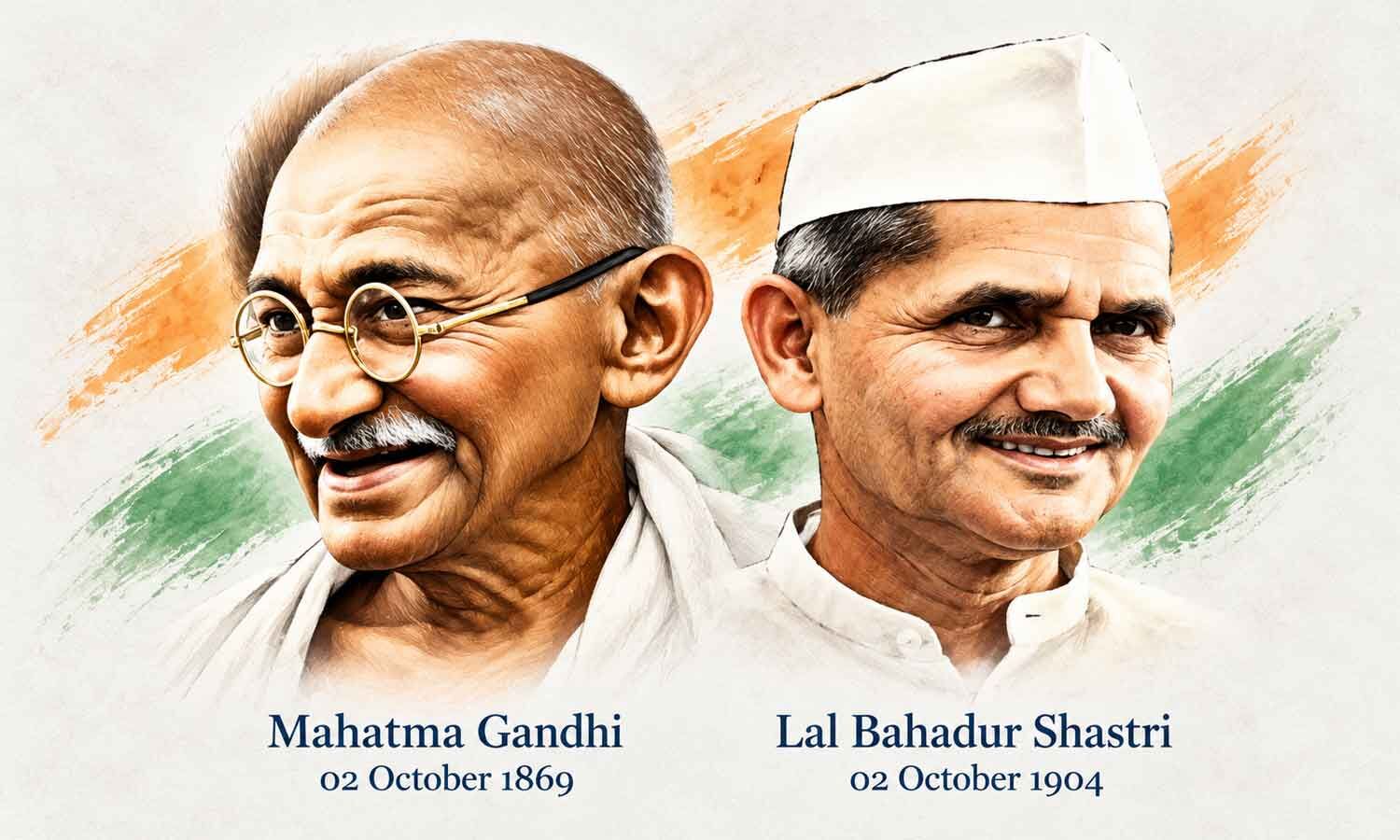
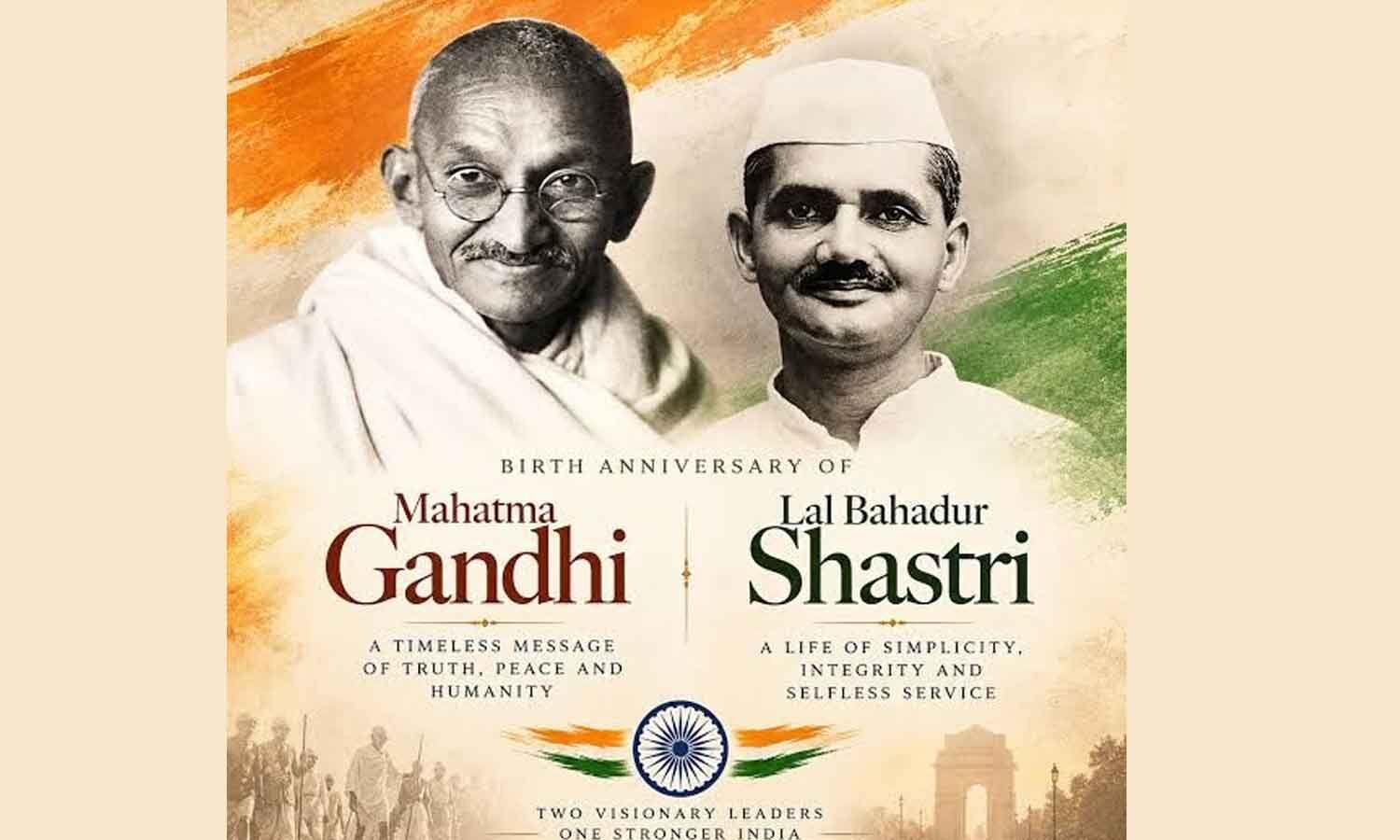
One asks how Mahatma Gandhi’s ideas shaped Lal Bahadur Shastri.
It says Shastri valued honesty, peace, simplicity and serving the public.
He joined the freedom movement as a young person after Gandhi’s call for non-cooperation.
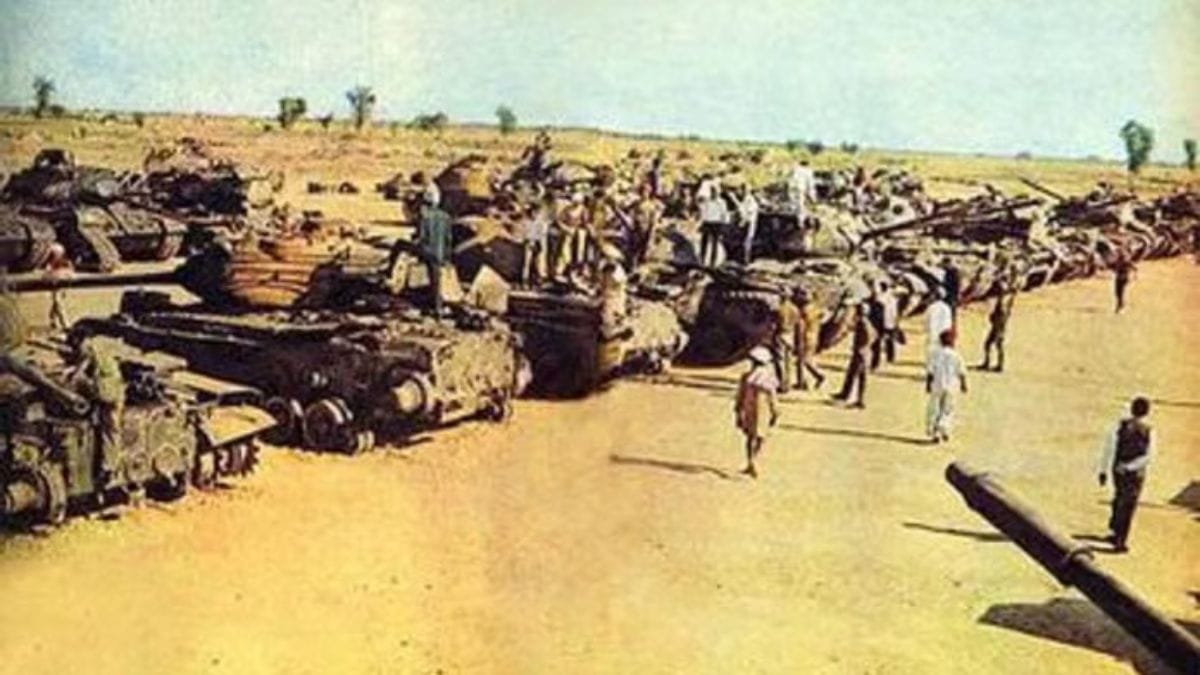
As prime minister, he also supported India’s defence while seeking peace after the 1965 conflict.
The other question is about India’s many languages and schools.
Children may use different languages at home, in their community and at school.
Teaching in familiar languages can help, but schools also need teachers and learning materials, and families may value English for future opportunities.
The article says respecting many languages can help students learn and feel included.

The Indian Express’s UPSC Essentials presents two GS 1 answer-writing questions for civil-services candidates.
The first asks how Gandhi’s emphasis on truth, non-violence and sacrifice influenced Lal Bahadur Shastri.
The article links Shastri’s early participation in the nationalist movement to Gandhi’s call for non-cooperation.
It cites Shastri’s handling of the 1965 conflict, the Tashkent Declaration and his appeal for voluntary food austerity as examples of his approach.
The second question considers how linguistic diversity can complicate education policy while supporting cultural pluralism and inclusion.
- Who
- UPSC Essentials and Indian Express readers preparing for civil-services exams.
- What
- A GS 1 answer-writing practice feature on Gandhi’s influence on Shastri and linguistic diversity in education.
- Where
- India; the article discusses Indian history, society and education.
- When
- The feature is identified as Week 175; no publication date is stated.
- Why
- To help candidates practise answers on themes relevant to the UPSC Civil Services Mains examination.
Priorities in language education
Considerations for inclusive policy
Language of instruction
Priorities in language education
Teaching in a child’s familiar or home language can support learning, confidence and cultural identity.
Considerations for inclusive policy
Children may use different languages at home, in their community and at school, making a single mother tongue difficult to identify; English is also widely associated with higher education, work and social mobility.
Implementing multilingual education
Priorities in language education
Recognising children’s full range of languages can turn classroom diversity into a learning opportunity and strengthen inclusion.
Considerations for inclusive policy
Providing teachers, textbooks and learning materials across multiple languages is challenging, particularly without adequate language mapping and trained teachers.
Key facts
- Practice series
- UPSC Essentials Mains answer practice, Week 175
- Paper
- General Studies Paper 1
- Question 1
- Gandhi’s influence on Lal Bahadur Shastri’s political outlook
- Question 2
- Linguistic diversity as an education-policy challenge and a source of pluralism
- Historical example
- The article discusses the 1965 conflict and the Tashkent Declaration
- Food austerity example
- Shastri appealed to residents to voluntarily forgo one meal each day during a food crisis
Sources
Related news
October 2 Should Inspire Conviction, Not Mere Commemoration
Andhra Leaders Pay Tribute to Gandhi and Shastri

Chhattisgarh CM Honors Gandhi, Shastri, Reaffirms Their Ideals
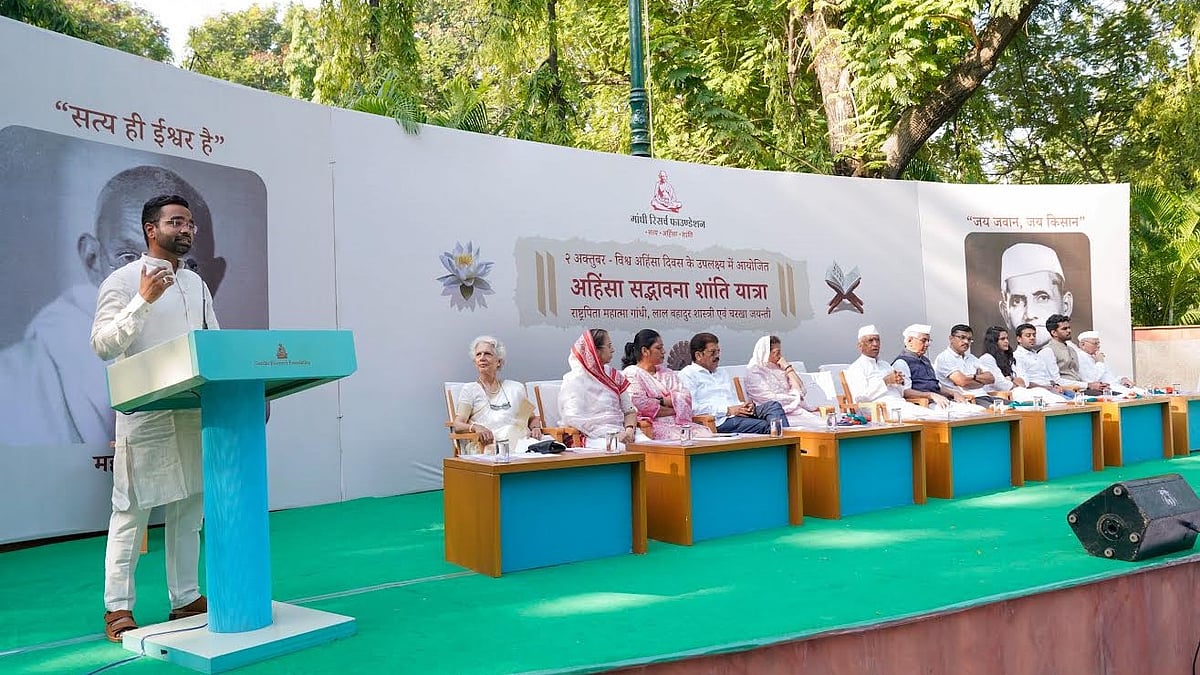
Anandiben Patel Says Gandhi, Shastri Inspire National Service
Jalgaon Collector Links Gandhian Values to Capable Future Generation

Tamil Nadu Leaders Invoke Gandhi’s Ideals of Peace
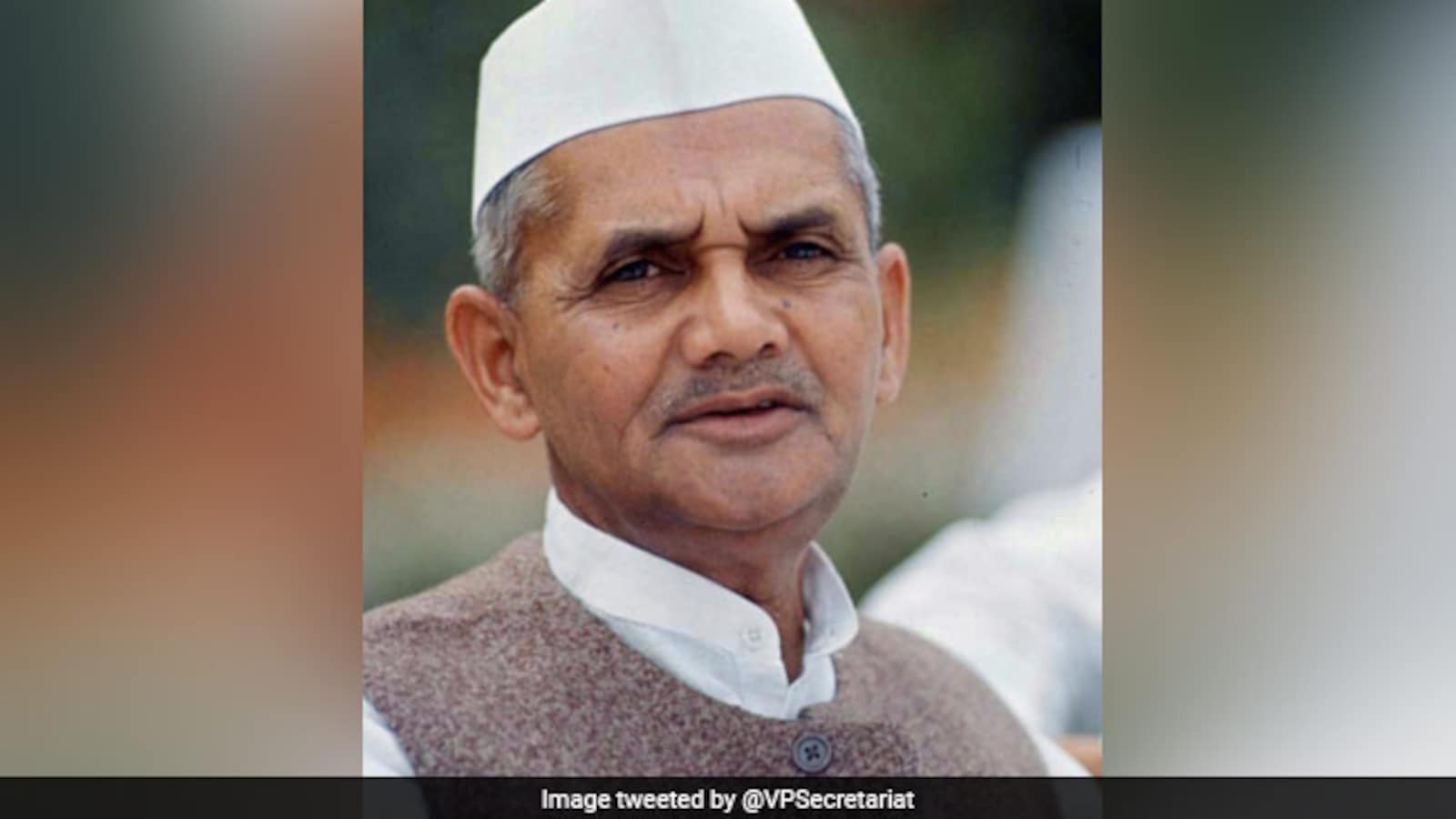
India to Mark Lal Bahadur Shastri’s 122nd Birth Anniversary

Lal Bahadur Shastri's Legacy and Impact