8 months ago
India-Pakistan Tashkent Negotiations and 1965 War
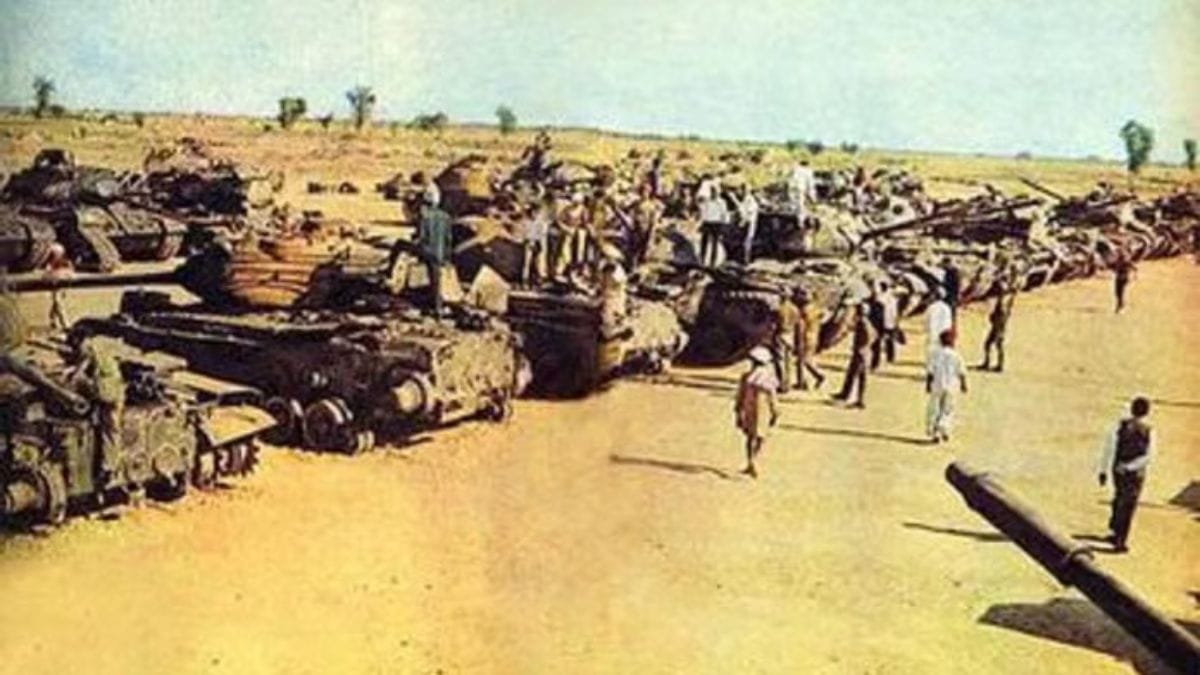
A long time ago, India and Pakistan had a big fight called the 1965 war.
After the fighting, they had important talks in a place called Tashkent to make peace.
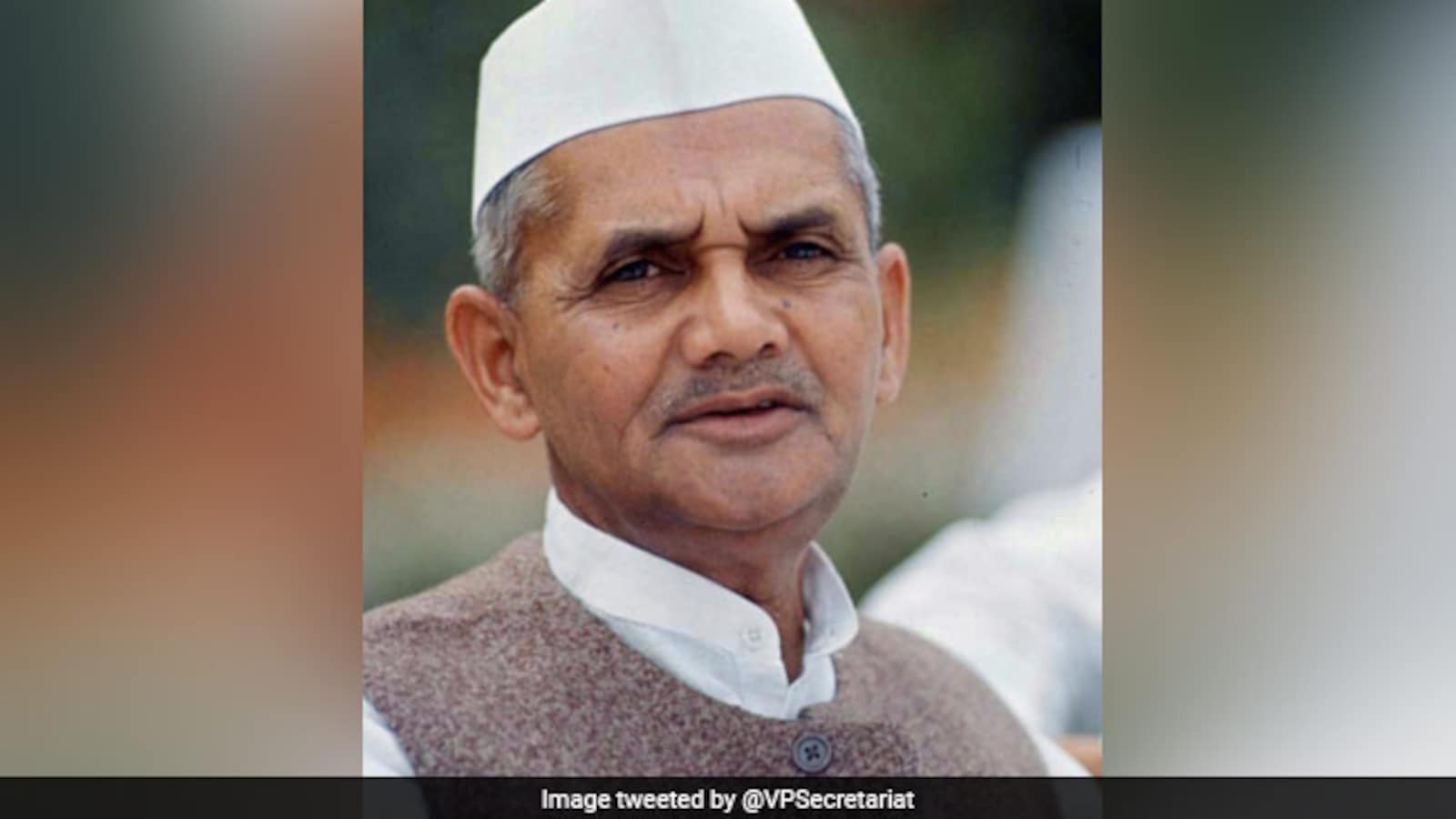
India's team was led by their prime minister, Lal Bahadur Shastri, and Pakistan's team was led by their president, Ayub Khan.
The talks were held in three identical villas, and a Soviet leader named Kosygin made sure everything was fair.
The talks ended with both countries signing a peace agreement called the Tashkent Declaration.
Before the talks, Pakistan tried to sneak soldiers into India, but it didn't work.
India then pushed back and captured an important place called Haji Pir Pass.
The line where the fighting stopped is now called the Line of Actual Control.

India and Pakistan held crucial negotiations in Tashkent from 3 to 10 January 1966 to end the 1965 war.
The Indian delegation was led by Prime Minister Lal Bahadur Shastri and was united, while the Pakistani team, led by President Ayub Khan, had internal conflicts.
The talks were held in three identical villas, with Soviet Premier Alexei Kosygin ensuring parity and protocol.
Pakistan launched Operation Gibraltar, a failed infiltration attempt, and later Operation Grand Slam, a full-scale assault, before the negotiations.
The negotiations culminated in the Tashkent Declaration, signed by both countries to formally close the 1965 war.
- Who
- India and Pakistan
- What
- Negotiations to end the 1965 war
- Where
- Tashkent, Soviet Union
- When
- 3 to 10 January 1966
- Why
- To formally close the 1965 war and establish peace
Key facts
- Date
- 3 to 10 January 1966
- Location
- Tashkent, Soviet Union
- Indian Delegation
- Led by Prime Minister Lal Bahadur Shastri
- Pakistani Delegation
- Led by President Ayub Khan
- Outcome
- Tashkent Declaration
- Ceasefire Line
- Designated as LAC after 1972 Simla Agreement
- Operation Gibraltar
- Pakistan's failed infiltration attempt
- Operation Grand Slam
- Pakistan's full-scale assault
Quotes

Lal Bahadur Shastri
Prime Minister of India during the 1965 war with Pakistan.
“Pakistan must bear full responsibility for the attack. It (Pakistan) had banked upon an internal revolt in the wake of the attack. It intends to step up trouble in Kashmir. Under the circumstances, there is absolutely no scope for talks. We want peace in Kashmir, but if we are attacked, it becomes the responsibility of the government to meet force with force.”
 theprint.in
“We have to defend our borders and beat the designs of those who cast an evil eye upon us. The honour of the flag under which we stand today has to be upheld. We may perish, but we will not allow the honour of our flag to be sullied. India will continue to progress and prosper.”
theprint.in