2 hrs ago
25 Years After 9/11, America Still Bears Its Response
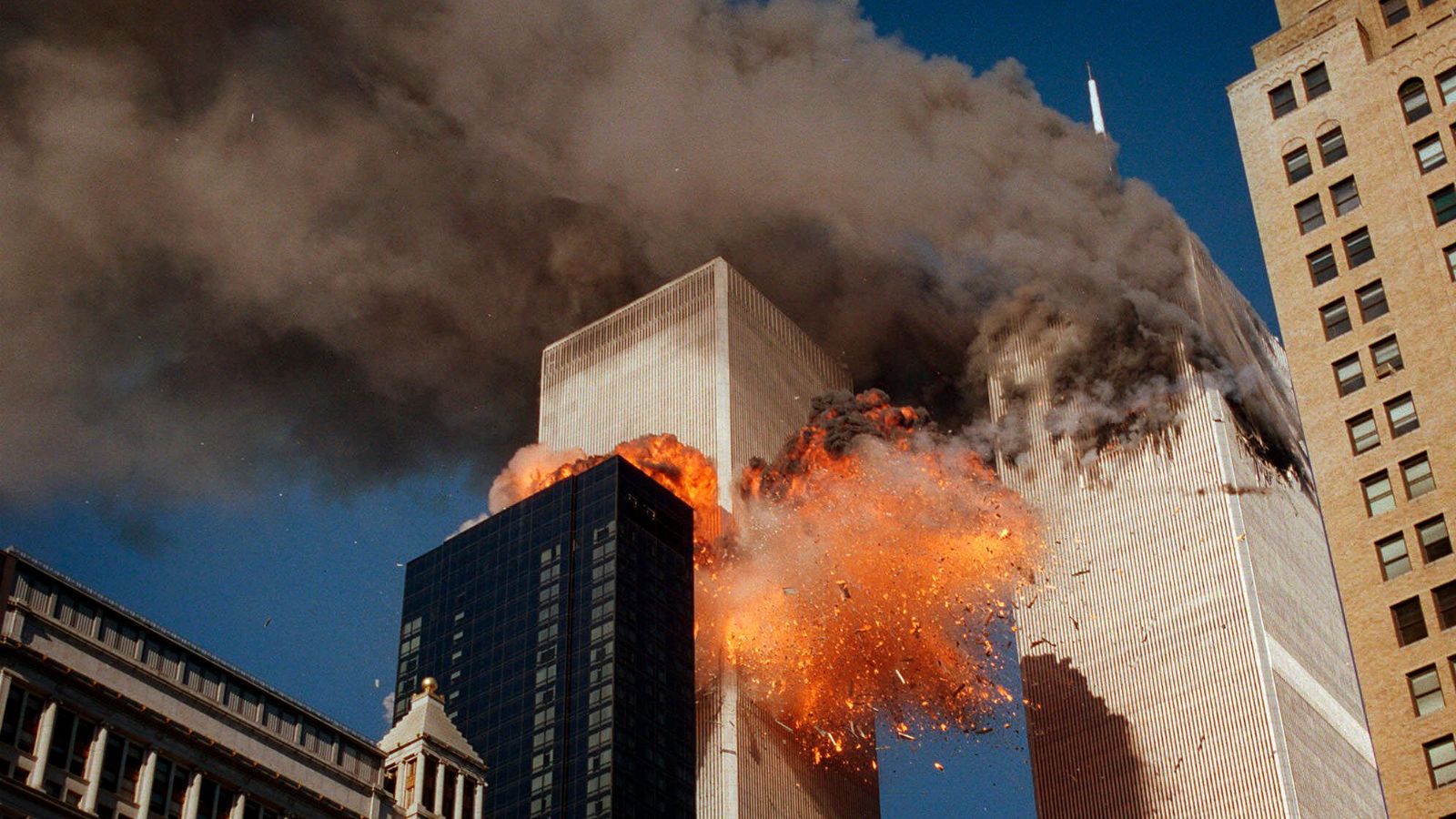
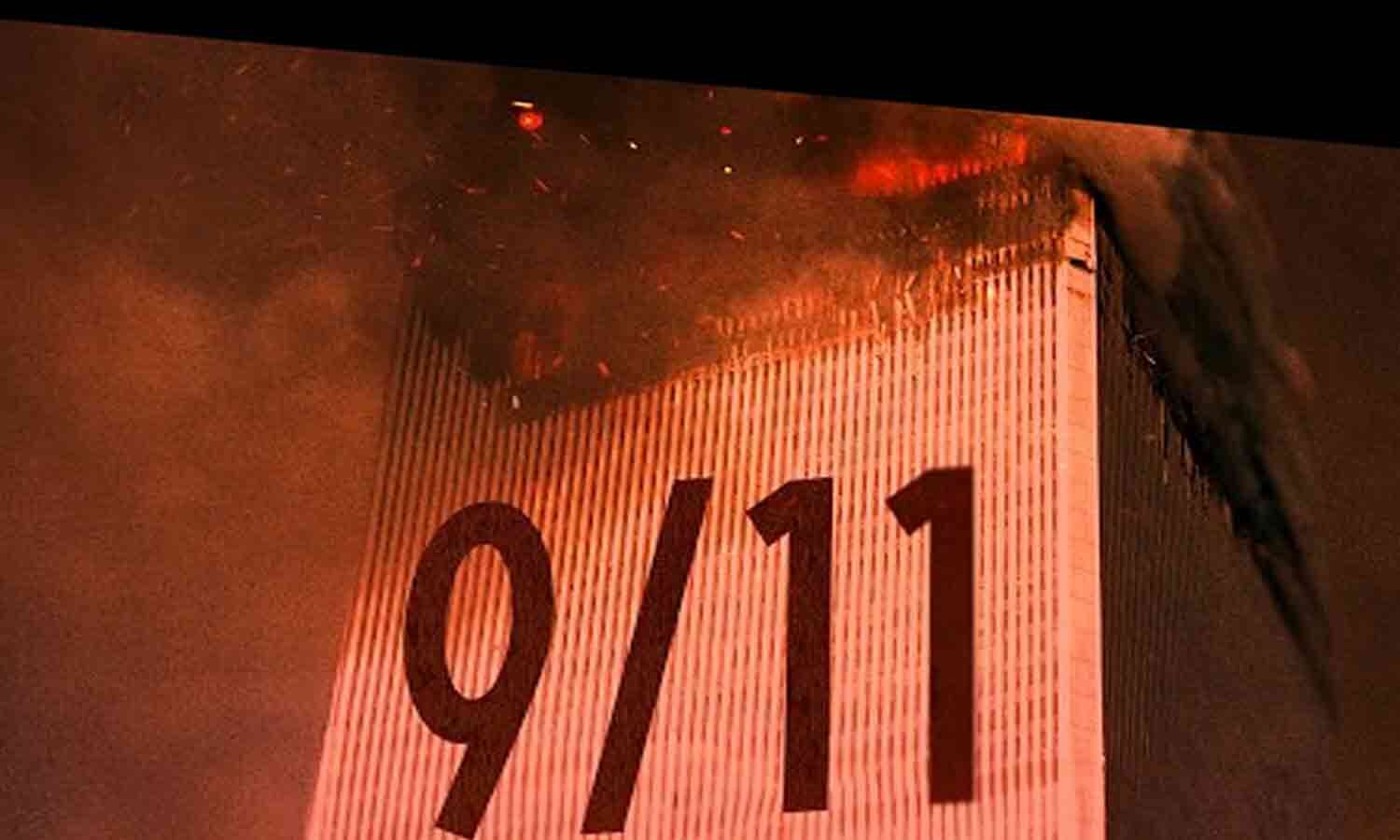
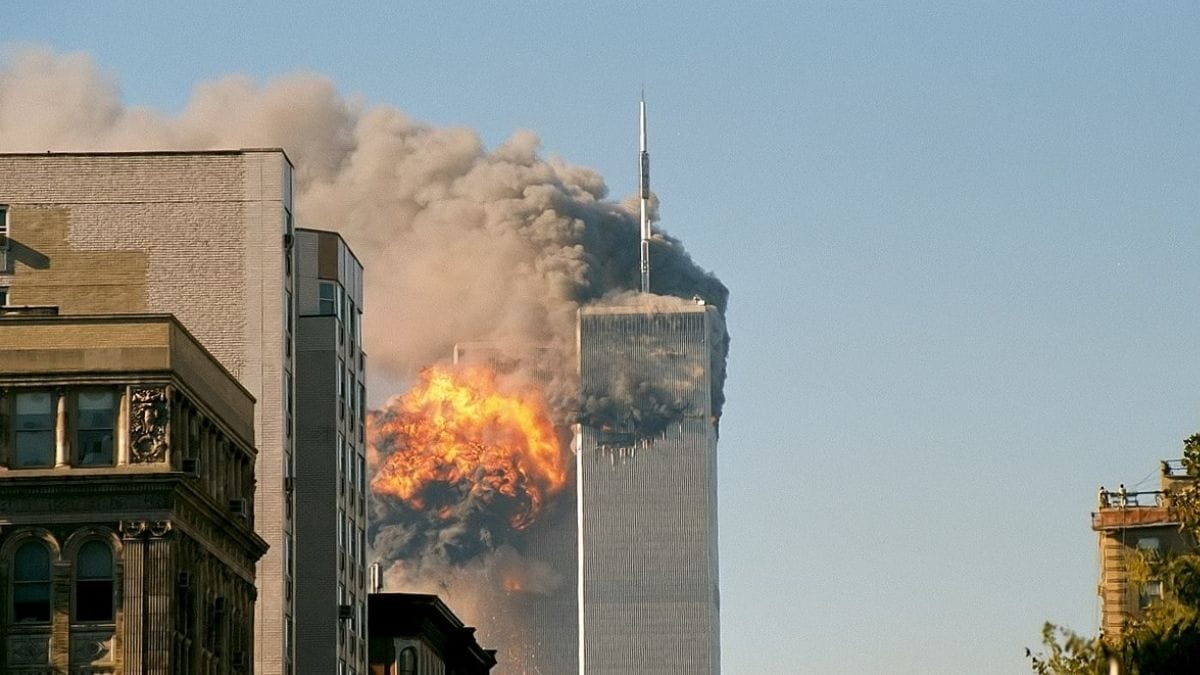
On September 11, 2001, terrorists attacked the United States using hijacked airplanes.
One plane hit the Pentagon, two hit buildings in New York, and another crashed in Pennsylvania after passengers fought back.
The author says America correctly identified Al Qaeda as the attacker.
However, the author argues that the government made a mistake by invading Iraq, which was not connected to the attacks.
The United States also fought a long war in Afghanistan.
These wars cost many lives and enormous amounts of money.
New security rules also gave the government more power and made travel and public buildings feel more restricted.
The author believes some of these changes harmed American values without providing enough safety.
The article ends by hoping Americans can recover the sense of unity they showed after the attacks.

The author recalls witnessing the Pentagon attack and learning that Flight 93 was headed toward the Capitol.
The article argues that Al Qaeda carried out the attacks, while the Bush administration used them to justify invading Iraq.
It criticizes expanded surveillance, detention, torture, homeland-security powers and militarized policing after 9/11.
The author distinguishes Afghanistan as a difficult policy dilemma but calls the Iraq invasion an avoidable war of choice.
The article argues that the United States sacrificed lives, money and civil liberties without becoming safer from many other major threats.
- Who
- Al Qaeda carried out the September 11 attacks; the United States government responded through military action and expanded security powers.
- What
- The article assesses America’s post-9/11 response, criticizing the Iraq and Afghanistan wars, civil-liberties restrictions and continued reliance on military intervention.
- Where
- The attacks struck the World Trade Center and Pentagon, while Flight 93 crashed in Pennsylvania; the subsequent wars took place in Afghanistan and Iraq.
- When
- The attacks occurred on September 11, 2001; the article examines the 25 years since then and refers to a current war on Iran.
- Why
- The author argues that fear and political decisions after the attacks led the United States into costly wars and policies that caused substantial harm.
Critics of the Post-9/11 Response
Arguments for the Response
Invasion of Iraq
Critics of the Post-9/11 Response
The author says Iraq had no ties to Al Qaeda and that the invasion was an avoidable war of choice that became a debacle.
Arguments for the Response
The article states that the war removed Saddam Hussein and imposed a regime acceptable to the United States, which were its immediate objectives.
Afghanistan War
Critics of the Post-9/11 Response
The author argues that a 20-year occupation was the wrong response and shares responsibility for the decision.
Arguments for the Response
The author acknowledges that Afghanistan presented a difficult dilemma and that even with hindsight there was no clear alternative to confronting the threat.
Security and civil liberties
Critics of the Post-9/11 Response
The author says expanded surveillance, detention, torture and airport screening sacrificed core American values for limited safety gains.
Arguments for the Response
The article presents these measures as responses intended to protect Americans from terrorism, though it does not offer a detailed defense of them.
Military intervention
Critics of the Post-9/11 Response
The author calls the current war on Iran even more reckless than Iraq because it lacks strategic planning and has shifting aims.
Arguments for the Response
The article notes that the Iraq war had congressional authorization, stated objectives and achieved the immediate goals of removing Saddam Hussein and installing a United States-approved regime.
Key facts
- Attacks
- The September 11 attacks killed 2,977 people, according to the article.
- Pentagon
- The author witnessed a pillar of smoke after a plane struck the Pentagon.
- Flight 93
- Passengers and crew intervened, causing the fourth hijacked plane to crash in Pennsylvania.
- Afghanistan
- The author calls a 20-year occupation the wrong response but describes the original decision as a difficult dilemma.
- Iraq
- The article characterizes the invasion as a war of choice unrelated to Al Qaeda.
- Post-9/11 powers
- The author criticizes expanded surveillance and detention, torture, the creation of the Department of Homeland Security and ICE, and more militarized policing.
- Civilian impact
- The article says most casualties in the two wars were Iraqi and Afghan civilians.
Sources
Related news

Trump’s Iran War Revives Fears of Another Forever War
On 9/11 Anniversary, Columnist Criticizes US War Legacy
Twenty-Five Years Later, 9/11 Still Shapes American Lives
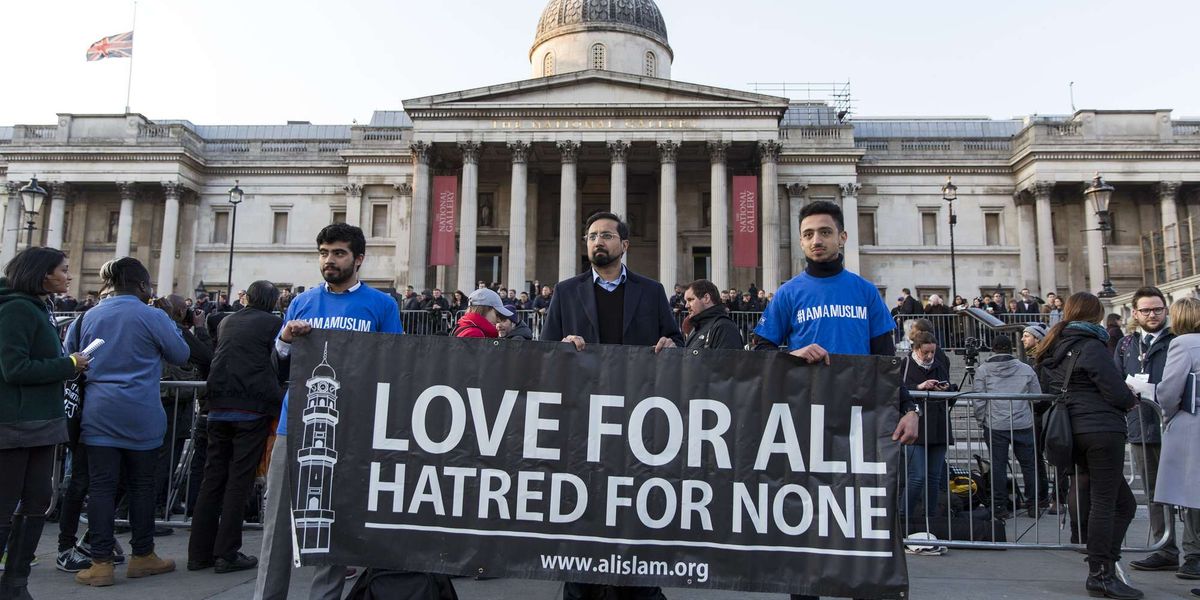
25 Years After 9/11, Cohesion Requires More Than Countering Extremism
Twenty-Five Years Later, 9/11 Remains Vivid for Americans

America's Two-Decade Response Racked Up Roughly $8 Trillion
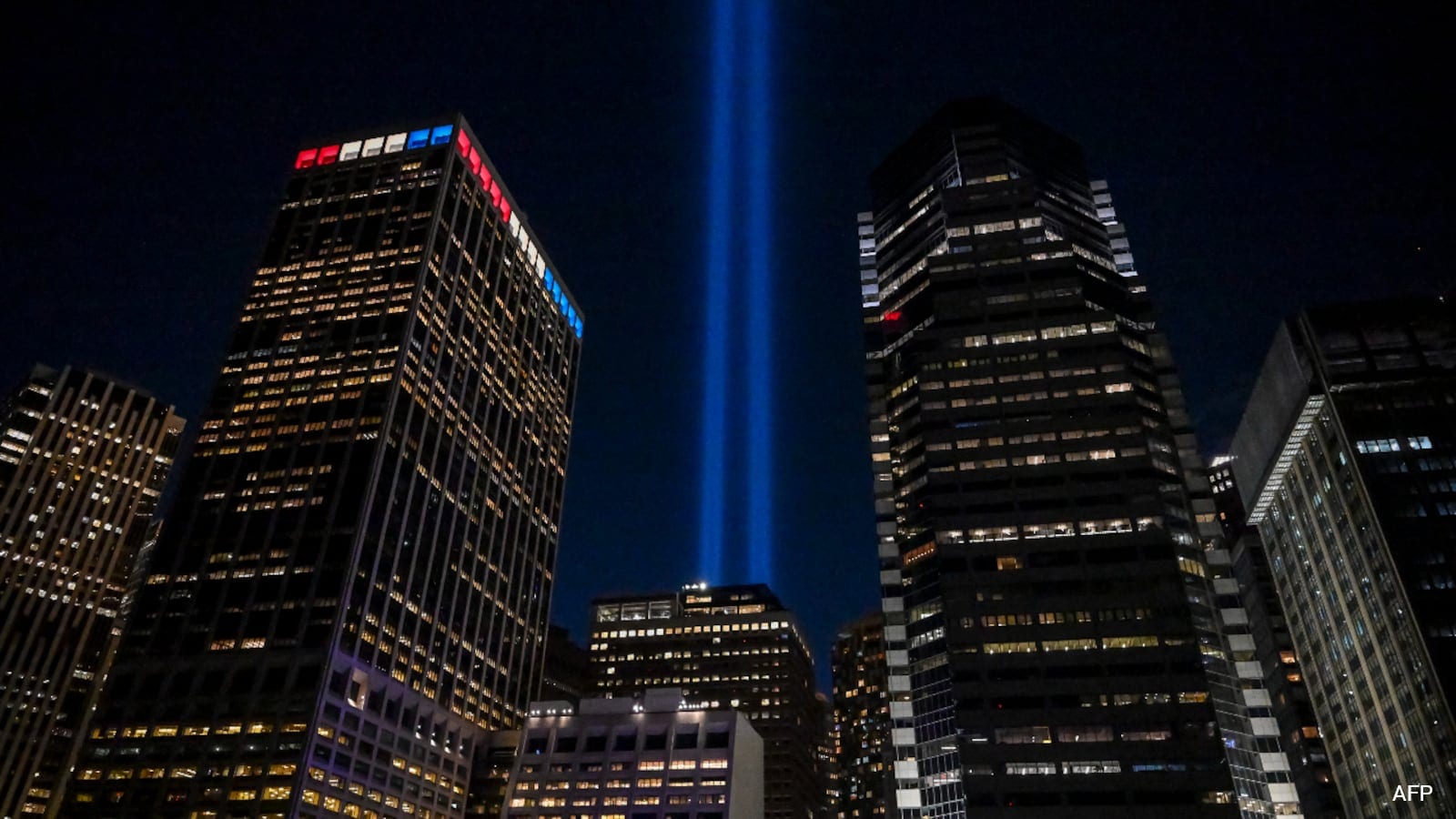
New York Commemorates 9/11 Anniversary Amid Security and Controversy
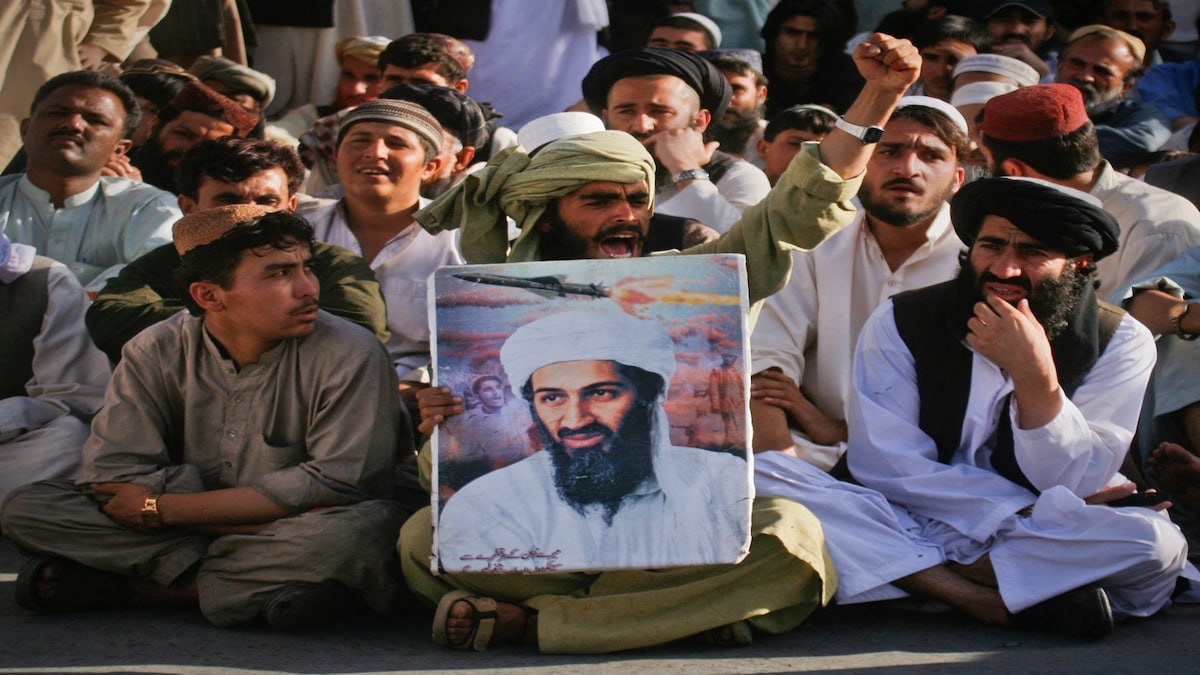
Al Qaeda After 9/11: A Decades-Long Global Evolution
Al Qaeda’s Rise, Setbacks And Continuing Global Influence