

1 hr ago
On 9/11 Anniversary, Columnist Criticizes US War Legacy
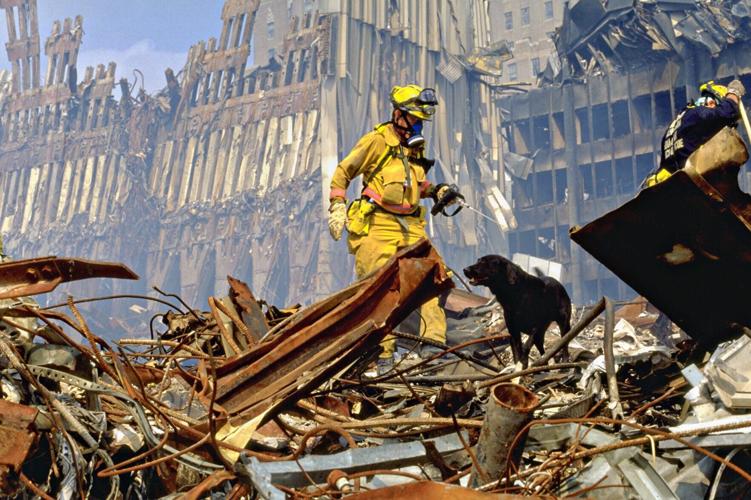
This opinion article says people should remember more than the American victims of 9/11.
Aakar Patel argues that the United States has used military and economic power in many countries.
He says American leaders and media often focus on how wars affect Americans.
The article discusses Iraq, Iran, Venezuela, and other countries.
It says Iraq’s oil money has remained connected to a US-controlled banking arrangement since 2003.
Patel cites a study estimating that millions of people were killed or displaced by post-9/11 wars.
He argues that these effects receive less attention in American political debate.
He also says criticism of US military actions can be politically dangerous.
The article concludes that people should examine the causes and consequences of wars, not just commemorate 9/11.

Aakar Patel argues that American concern about overseas wars centers more on domestic consequences than foreign victims.
The column cites US involvement in Venezuela, Iraq, Iran, and other countries as evidence of continued dominance and military intervention.
Patel says the United States has controlled Iraq’s oil revenues through an account at the New York Federal Reserve since 2003.
A Brown University study cited in the column estimates around 900,000 direct war deaths and 4.5 million indirect deaths in post-9/11 war zones.
The author calls for broader reflection on what caused 9/11, its aftermath, and the consequences of global power imbalances.
- Who
- Aakar Patel, a senior journalist and columnist, discusses the United States’ post-9/11 military and economic actions.
- What
- An opinion column calls for reflection on US intervention, civilian deaths, displacement, and the legacy of the post-9/11 wars.
- Where
- The discussion covers the United States, Iraq, Iran, Venezuela, and other post-9/11 war zones.
- When
- Ahead of the 25th anniversary of September 11; the article also references events in 2025 and January 11, 2020.
- Why
- Patel argues that Americans and their leaders should consider the effects of US power on other countries, not only its effects at home.
Key facts
- Author
- Aakar Patel, senior journalist and columnist
- Anniversary
- The article was written ahead of the 25th anniversary of the September 11 attacks
- Post-9/11 war deaths
- A Brown University study cited estimates about 900,000 direct deaths and 4.5 million indirect deaths
- Displacement
- The column says nearly 40 million people were displaced by wars in Afghanistan, Pakistan, Iraq, Syria, Libya, Yemen, Somalia, and the Philippines
- War costs
- The cited study estimates post-9/11 wars cost about $8 trillion, excluding future borrowing interest
- Iraq oil revenues
- The article says Iraq’s oil revenues have been deposited in an Iraqi account at the New York Federal Reserve since 2003
- Iraq budget
- Crude oil is described as providing around 90 percent of Iraq’s state budget
Quotes
Brown University study
Researchers whose study estimates the financial cost of post-9/11 wars
“The cost of the post-9/11 wars in Iraq, Afghanistan, Pakistan, Syria, and elsewhere totals about $8 trillion. This does not include future interest costs on borrowing for the wars.”
 deccanchronicle.com
Sources
Related news

Vance: cheap oil, not Iran's nukes, now top war priority
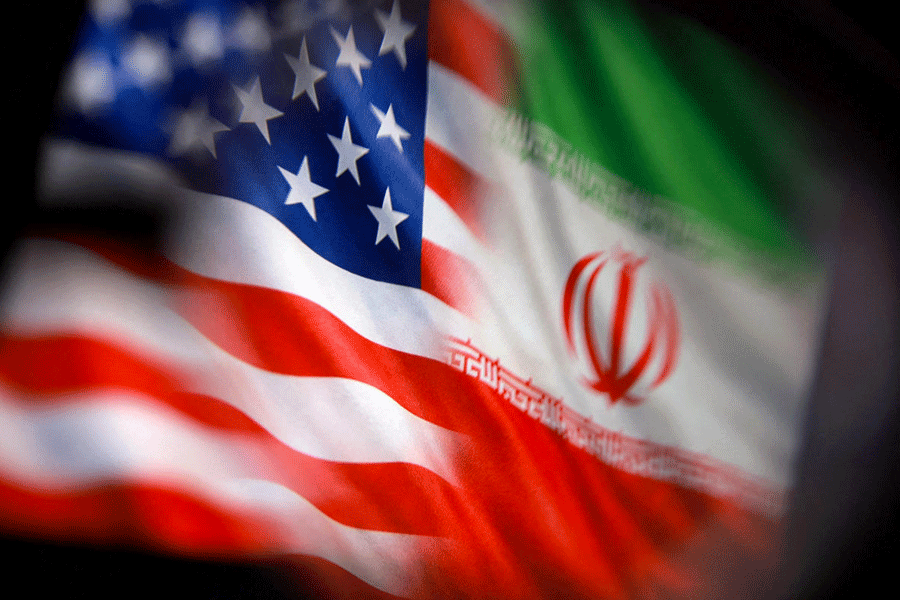
Iran War Exposes Limits of American Military Power
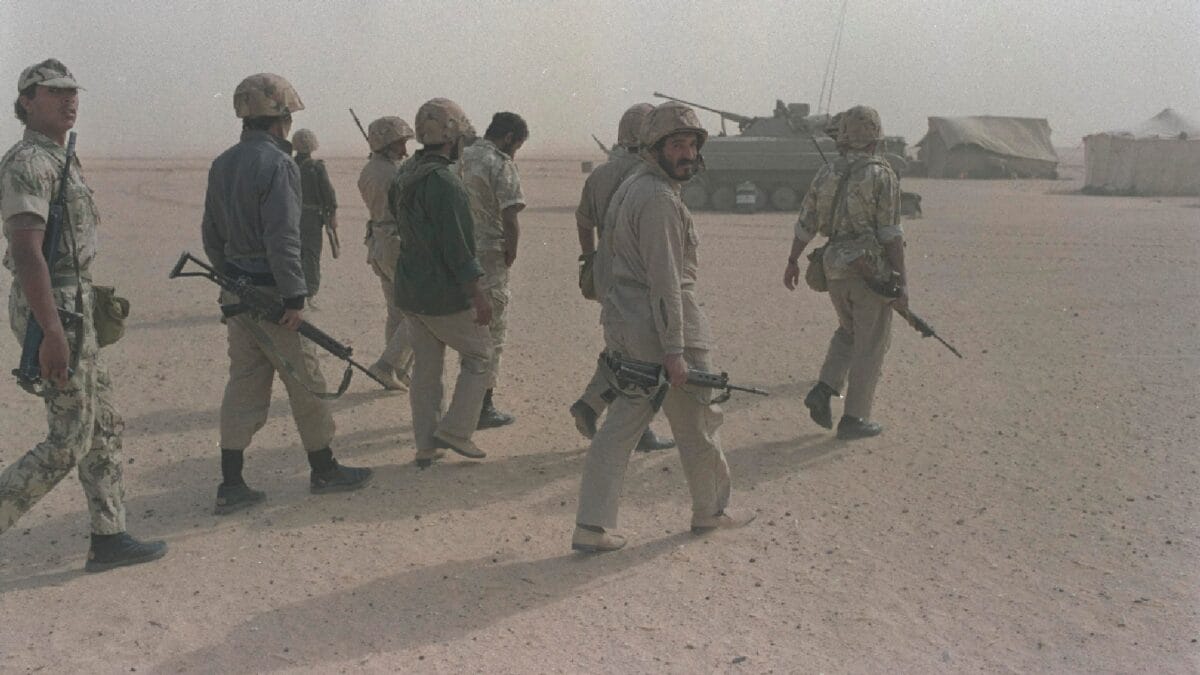
Kuwait Fears Ground Invasion As Iran War Escalates

Pentagon Weighs Gulf Troop Cuts After Iran War Damage
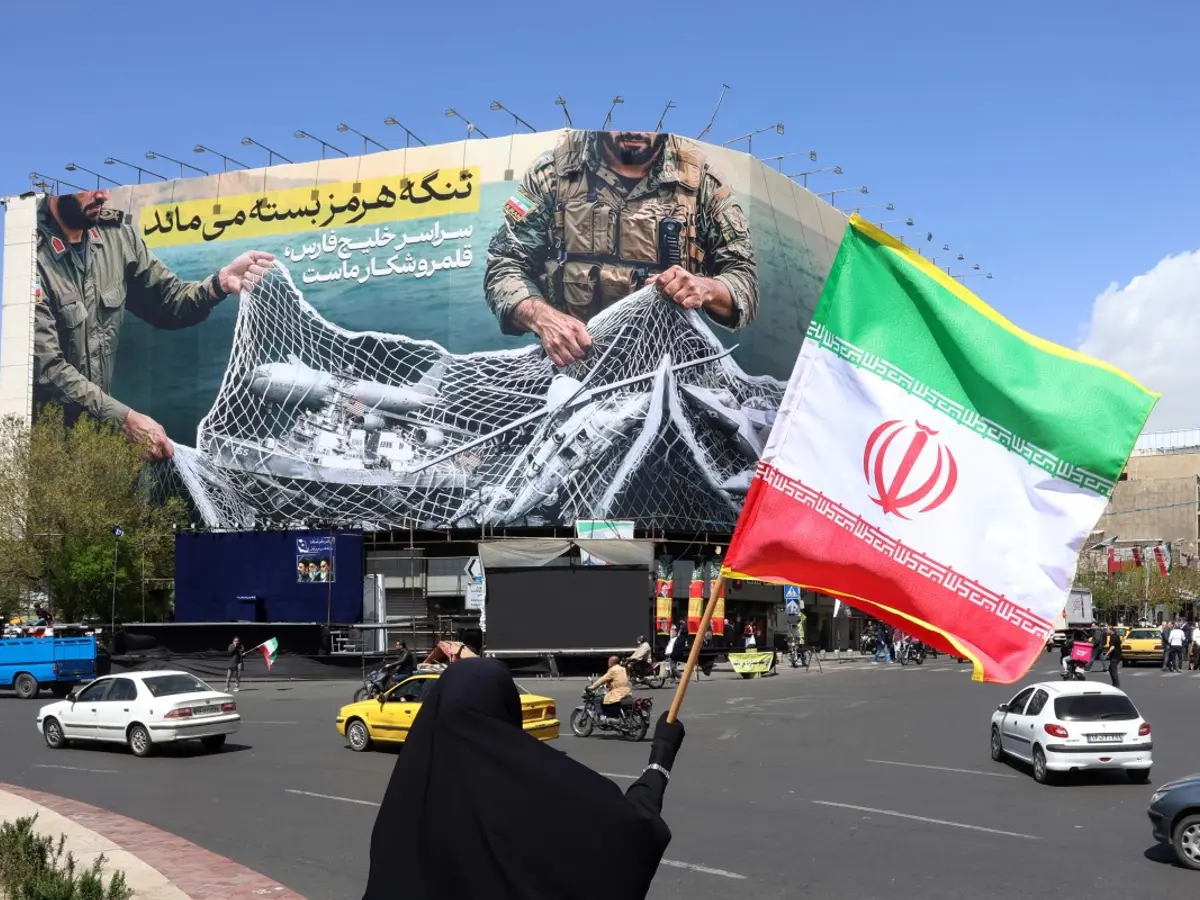
Iran Warns Gulf States Any US Aid Means War Participation

Trump Plan Links Pentagon to Venezuela’s Oil Wealth
IAEA Says Secret Syrian Reactor Could Have Made Weapons Material

India Qualify for AFC U20 Asian Cup After 20 Years
Trump Weighs ‘Much Bigger’ Middle East Reset After Iran War
UN warns Syria's explosive ordnance contamination kills civilians
