

3 weeks ago
Cockroaches, Jantar Mantar and India’s Education Crisis Explained
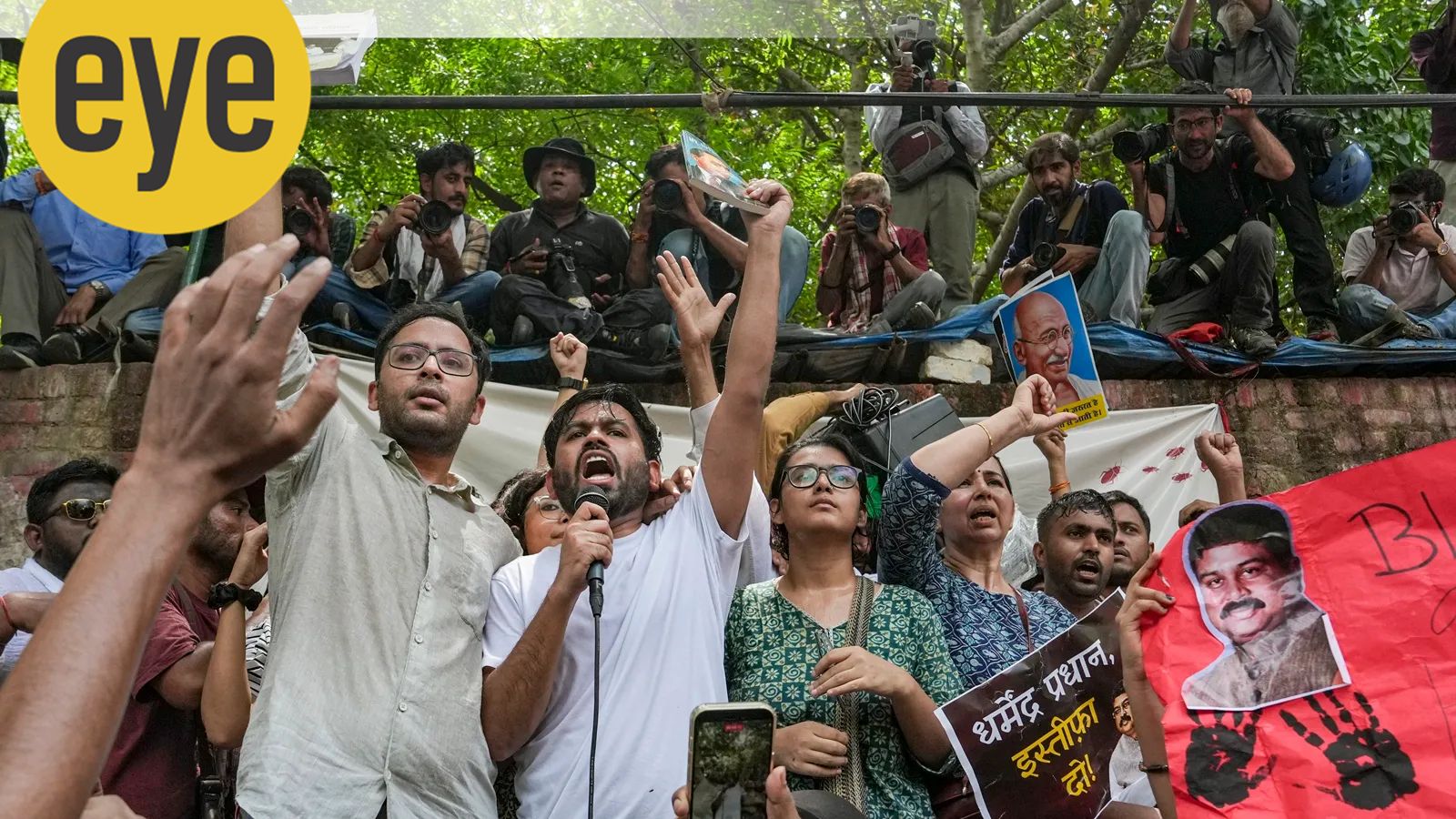
The writer uses cockroaches as a funny symbol for students and protesters.
At first, the writer disliked cockroaches but changed their mind after one survived repeated attempts to kill it.
The article says some cockroaches help forests by breaking down dead material.
It compares their toughness with students who keep protesting for a fair chance at education.
Many students reportedly work very hard but may have to repeat their efforts when exam questions are leaked.
The writer says wealthy families can send children abroad, while most students cannot.
The article also connects dirty surroundings with the presence of cockroaches.
It concludes that cleaner public spaces and a fairer education system would reduce both problems.

The satirical commentary compares cockroaches’ resilience with students protesting for fair education and better livelihoods.
It describes nearly two months of cockroach-like protests at Jantar Mantar and other locations in India.
The article criticizes alleged examination-question leaks that force students to repeat years of preparation.
It argues that cockroaches can be environmentally useful, while poor sanitation attracts them into homes and public spaces.
The writer calls for clean surroundings, toilets and an honest education system instead of hostility toward protesters.
- Who
- The writer, students represented through the cockroach metaphor, and the older critics described as “anti-roachers.”
- What
- A satirical argument about cockroaches, public protests, sanitation and alleged failures in India’s education system.
- Where
- Jantar Mantar and other locations in India, with references to Delhi and homes.
- When
- The protests are described as lasting almost two months; the writer’s change of view about cockroaches happened recently.
- Why
- The protesters are portrayed as seeking fair education and a reliable, well-paying livelihood, while the writer attributes the broader problem to poor sanitation and an allegedly compromised examination system.
Protesters and Reform Advocates
Critics and “Anti-Roachers”
Purpose of the protests
Protesters and Reform Advocates
Students and protesters are portrayed as demanding fair education and a solid livelihood after completing their studies.
Critics and “Anti-Roachers”
The article characterizes their critics as hostile to the protesters and focused on viewing them as a nuisance.
Education access
Protesters and Reform Advocates
The commentary argues that most students cannot afford overseas education and receive an unfair deal at home.
Critics and “Anti-Roachers”
Affluent families are described as sending their children abroad, while older critics are portrayed as boasting about their ancestors and defending their own advantages.
How to address the problem
Protesters and Reform Advocates
The writer advocates clean surroundings, functioning toilets and an honest examination system, along with nonviolent reform.
Critics and “Anti-Roachers”
The opposing attitude described in the article relies on hostility toward protesters, which the writer compares with attacking a cockroach.
Key facts
- Main setting
- Jantar Mantar and other protest locations in India
- Protest duration
- Almost two months
- Education concern
- Students allegedly have to repeat preparation when leaked questions undermine examinations
- Economic divide
- The article says most local students cannot afford to study abroad
- Cockroach diversity
- The article states that more than 4,500 cockroach species exist worldwide
- Human-associated species
- Around 30 cockroach species are described as living closely with humans
- Proposed solution
- Keep surroundings, toilets and the education system clean and above board
Sources
Related news

Cardiologist Finds Live Cockroach During Dinner At Mumbai Marriott

CJP Plans March Seeking Justice For Student Protester
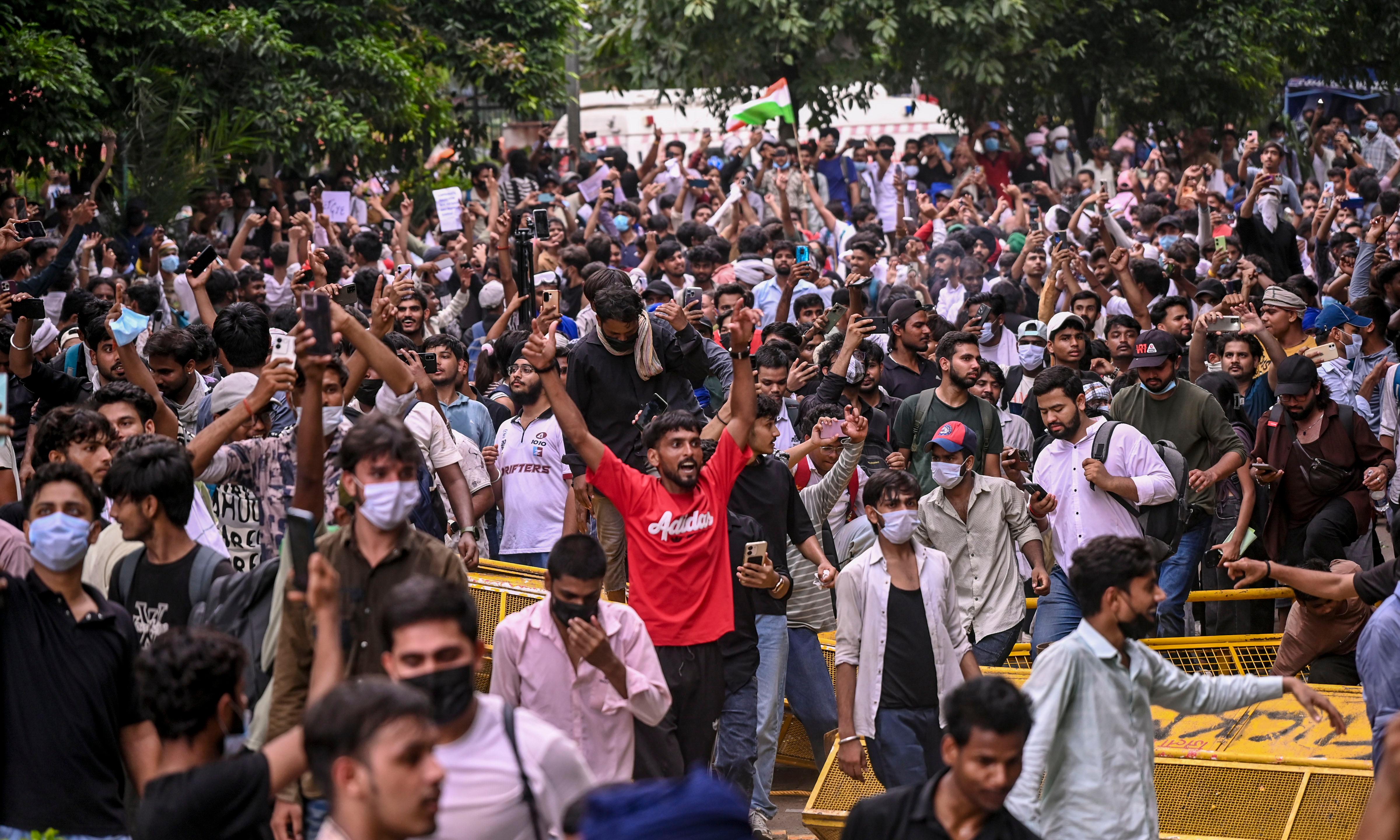
India’s Gen Z Challenges Tradition, Authority and Social Norms

Mumbai Birthday Dinner Disrupted By Cockroaches At Restaurant
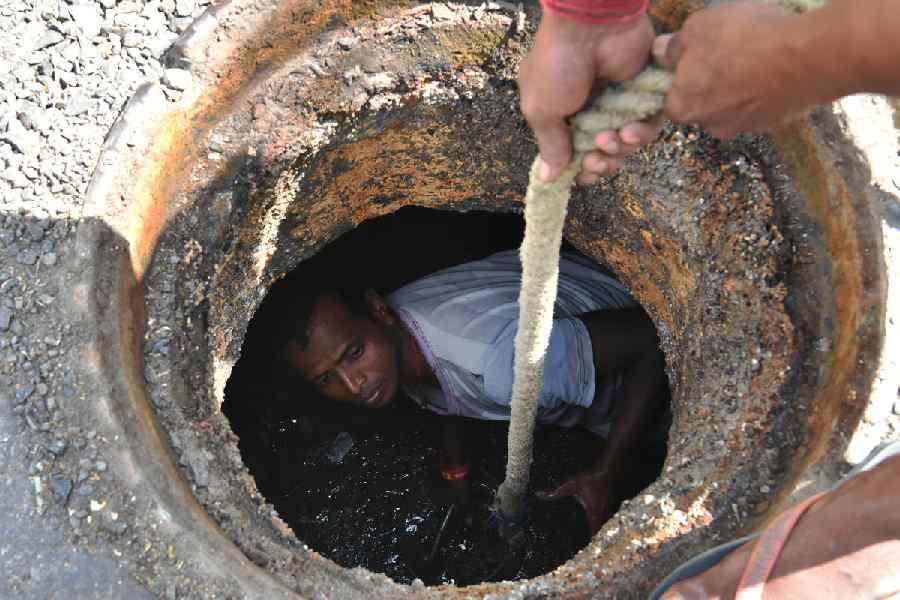
Bihar testimonies challenge India’s claim of zero manual scavengers
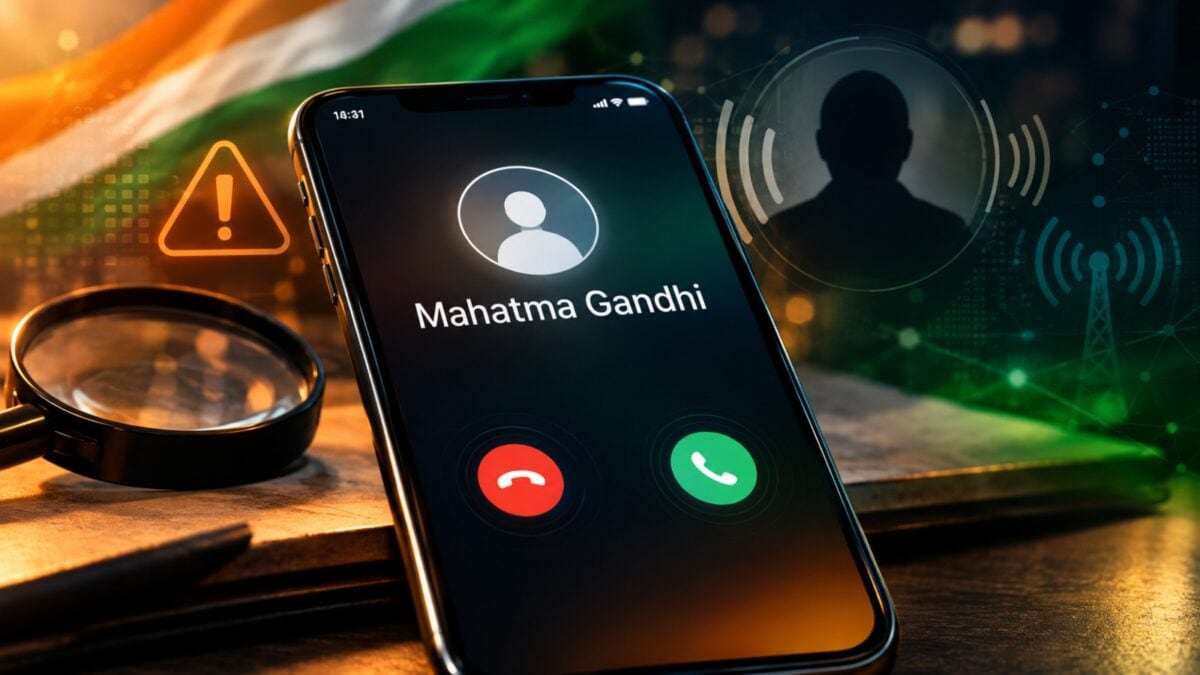
‘Mahatma Gandhi’ Caller ID Triggers New Cybersecurity Warning

October 2026 Calendar Features Festivals, Holidays and Days of Significance

PETA India Urges Nationwide Meat Advertising Ban Before Gandhi Jayanti

Deferred Bank Strike Keeps Indian Banks Open This Week
Yogi Adityanath to Chair Gorakhpur Tribute for Mahant Digvijaynath
