5 days ago
Nepal Flood Survivors Face Fear, Nightmares and Growing Trauma
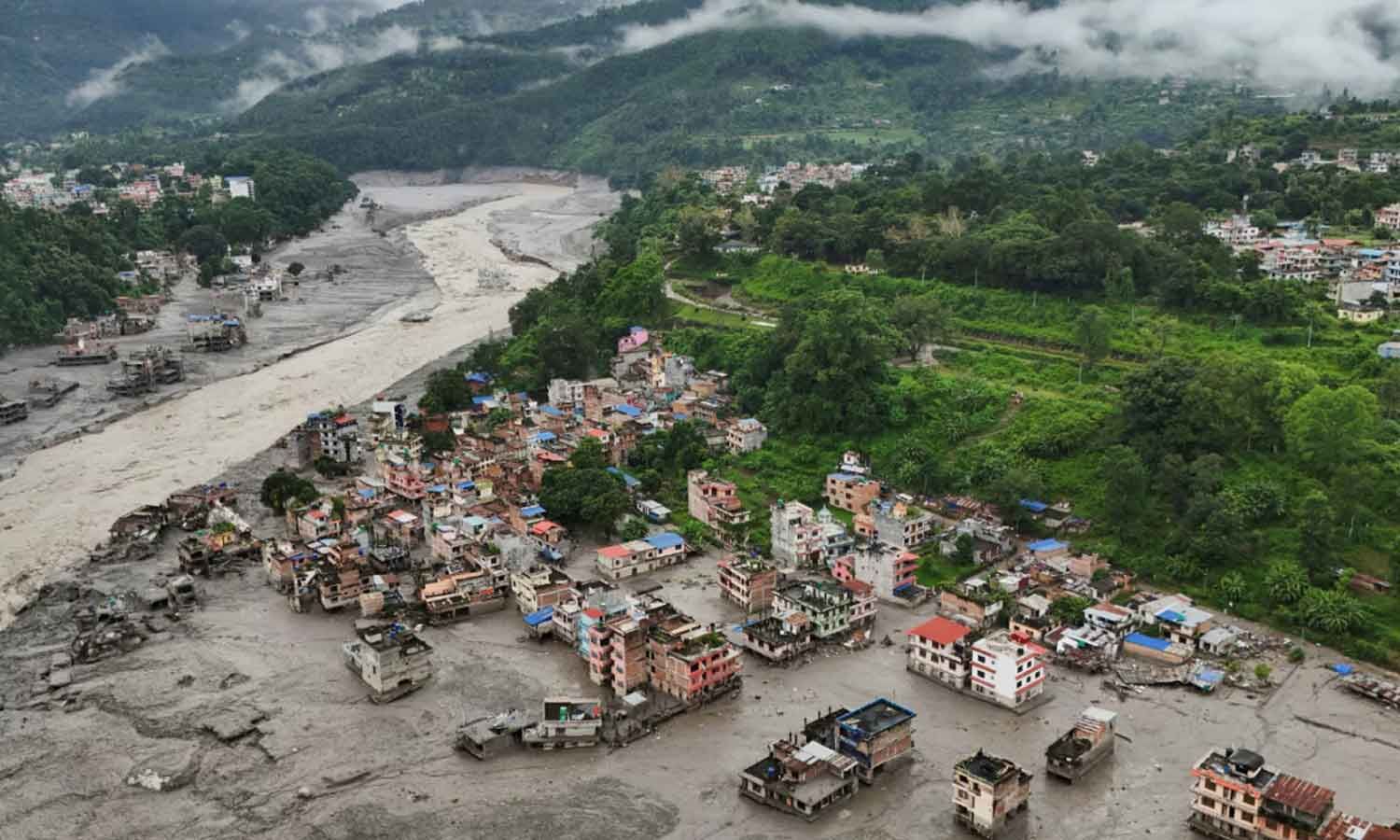
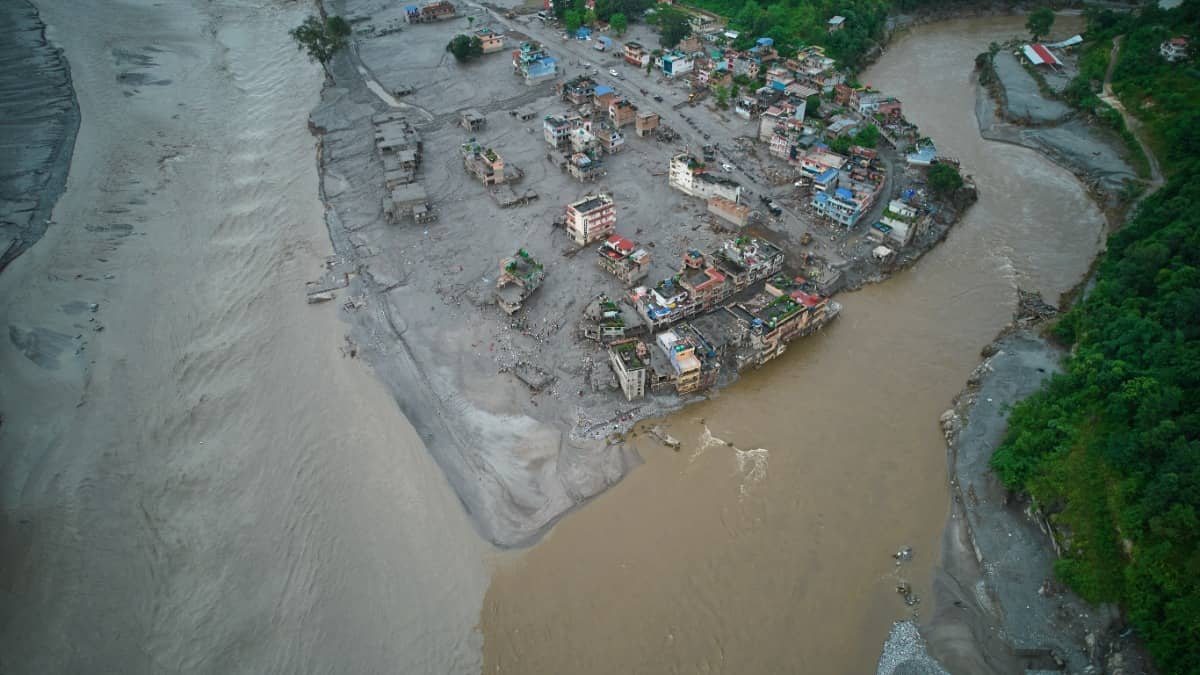
Nepal has experienced extremely damaging floods that killed hundreds of people.
Reports give different figures, with the death toll described as above 900 or above 1,000.
Thousands of people are still missing, and many families have been separated.
More than 11,000 people have been rescued, but homes, roads and bridges were destroyed.
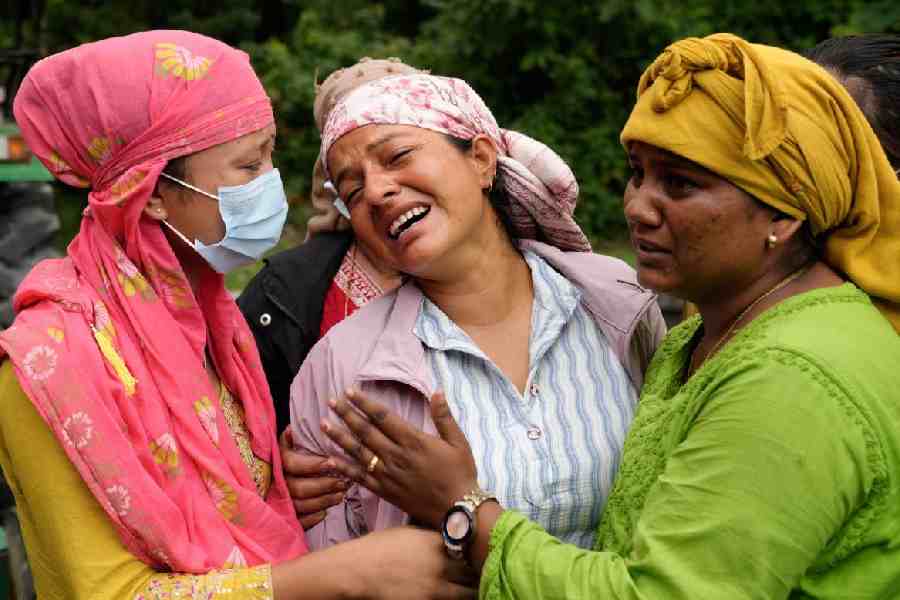
Many survivors feel frightened, shocked and unsure about what will happen next.
Some children wake up crying because they dream that the flood has returned.
Adults may feel anxious, startle easily or have trouble sleeping.
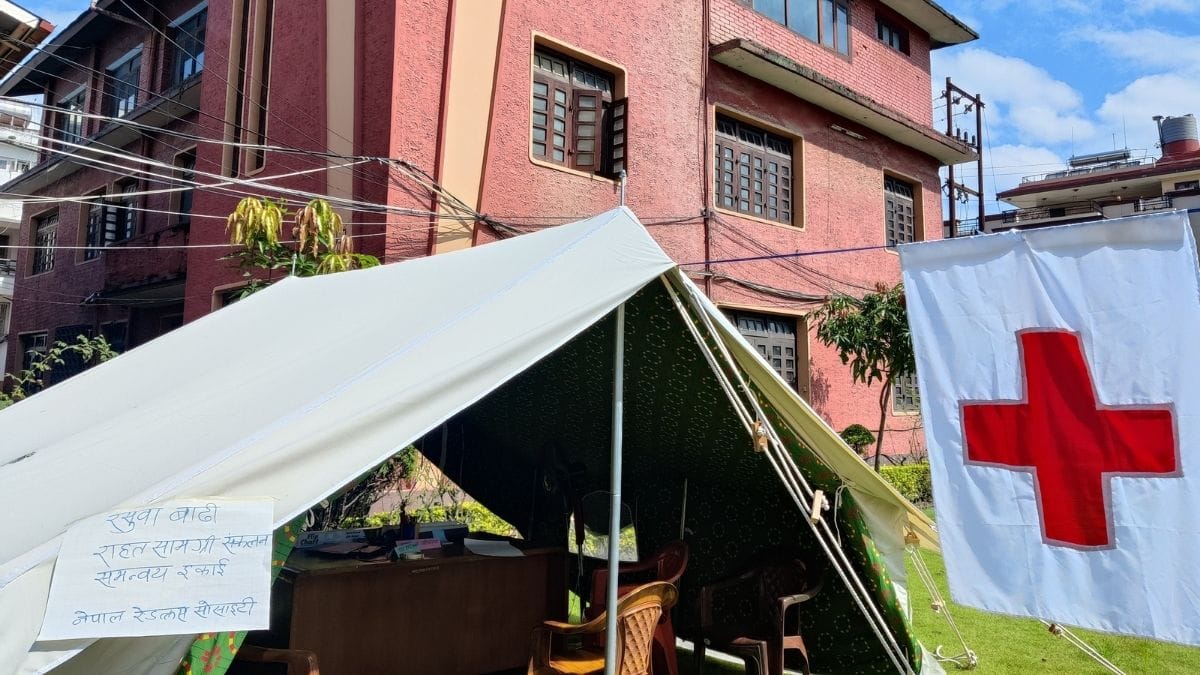
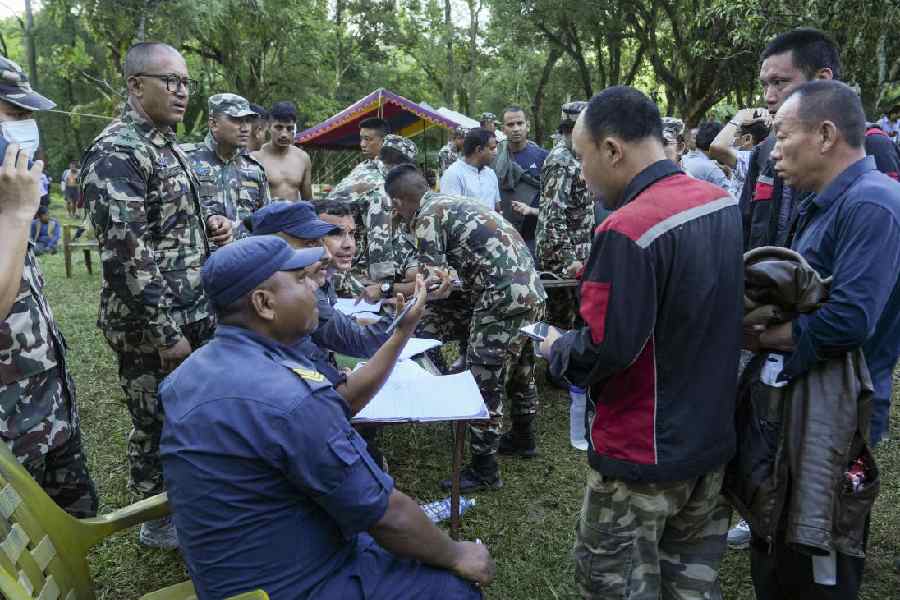
Mental health workers are helping families find one another, access shelter and receive medicine.
The government has also begun psychological first aid, counselling and telephone support.

Nepal’s deadliest floods in a decade have killed more than 900 people, with one report putting the toll above 1,000.
Nearly 4,000 people are missing, while another report estimates the number at nearly 4,500.
More than 11,000 people have been rescued, but homes, settlements, roads and bridges were destroyed.
The government deployed about 50 mental health professionals to Rasuwa and Nuwakot, with 64 counsellors on standby in Bagmati Province.
Survivors are reporting shock, anxiety, heightened fear, sleep disturbances and nightmares as authorities expand psychological first aid and helpline support.
- Who
- Flood survivors and separated families, Nepalese government officials, mental health professionals, aid organisations and local responders.
- What
- Authorities are expanding mental health and emergency support for survivors experiencing trauma after devastating floods.
- Where
- The worst-affected areas include Rasuwa and Nuwakot districts, including Uttargaya and Bidur, with additional support coordinated across Bagmati Province.
- When
- In the aftermath of the floods; the articles do not specify the disaster’s exact date.
- Why
- The floods caused deaths, disappearances, displacement, destruction, family separation and uncertainty, leaving survivors with psychological distress.
Key facts
- Reported deaths
- One article says more than 900 people have died; another says the death toll has crossed 1,000.
- Reported missing
- Estimates range from nearly 4,000 to nearly 4,500 people missing.
- Rescued
- More than 11,000 people have been rescued.
- Initial deployment
- Around 50 psychiatrists, psychologists and psychosocial counsellors were deployed to Rasuwa and Nuwakot.
- Counsellors on standby
- Another 64 trained counsellors are on standby in Bagmati Province.
- Telephone support
- The 1115 hotline offers general health counselling and basic psychosocial support; 1166 provides dedicated psychosocial services.
- Immediate priorities
- Responders are focusing on safety, basic needs, family reconnection, shelter, medical care, psychiatric medication and psychological first aid.
Quotes
Nirajan Bhattarai
Psychiatrist serving on a Health Ministry team in Bidur Municipality
“Most of them are currently in shock, unable to articulate their problems.”
 telegraphindia.com
“Safety and basic needs have to come first.”
telegraphindia.com
Sources
Related news

Nepal Floods Kill 175 as Hundreds Remain Missing
Nepal Red Cross Leads Relief After Devastating Flash Floods

Nepal Flood Death Toll Reaches 903 as Search Continues
Nepal Floods Overwhelm Response Capacity as Rescue Efforts Intensify

Nepal Rescues Over 11,000 as Flood Death Toll Reaches 939

Nepal Flash Floods Affect 93,000 as Death Toll May Rise
Nepal Flood Shelters Leave Mothers and Babies Vulnerable

Nepal Floods Leave 1,344 Dead and Nearly 5,000 Missing

Flood-Destroyed China-Nepal Border Port Searches Continue Amid Devastation
First Images Reveal Flash Flood Devastation Along Tibet-Nepal Border
Nepal Police Warns Against Keeping Flood-Swept Valuables After August Floods