55 mins ago
Nepal Flood Shelters Leave Mothers and Babies Vulnerable
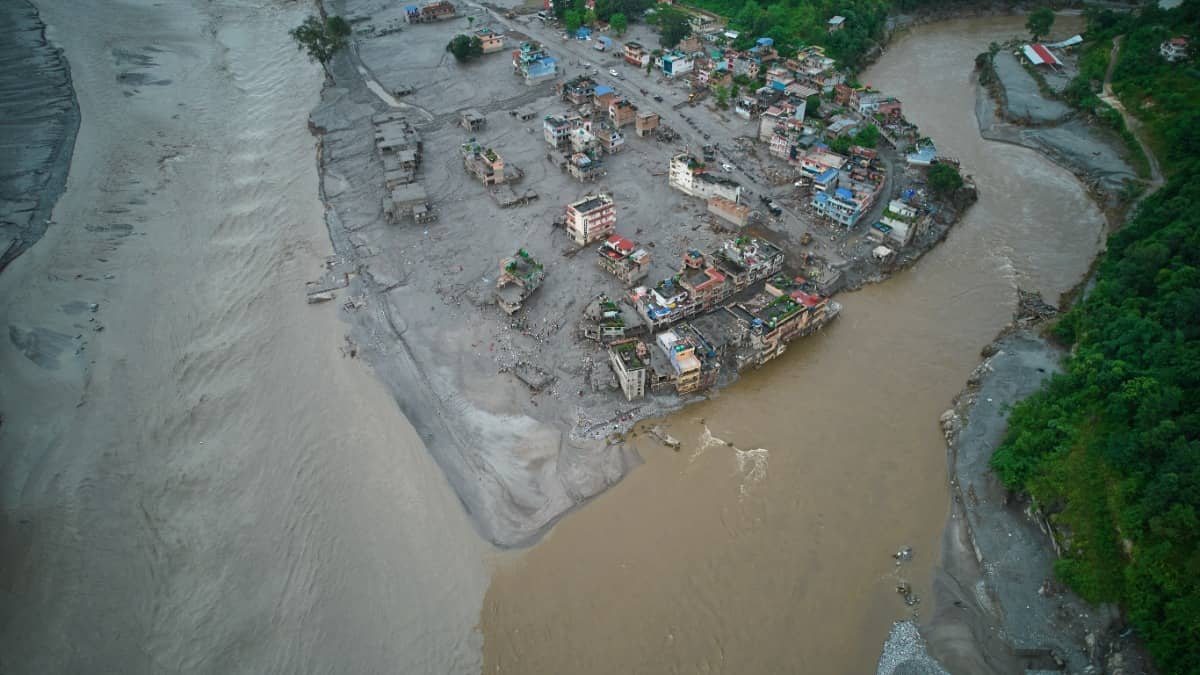
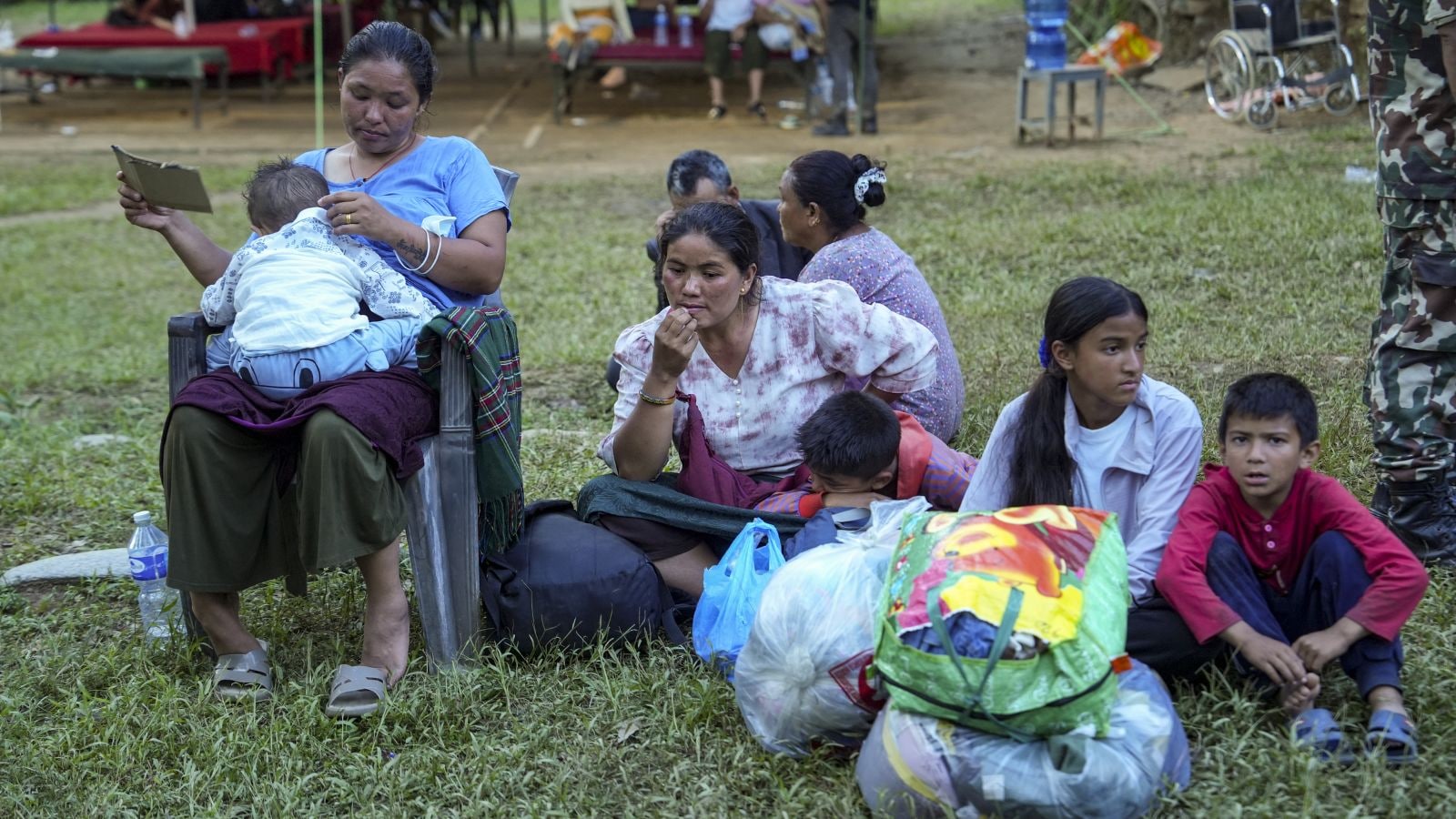
Floods in Nepal forced many families to leave their homes and live in crowded shelters.
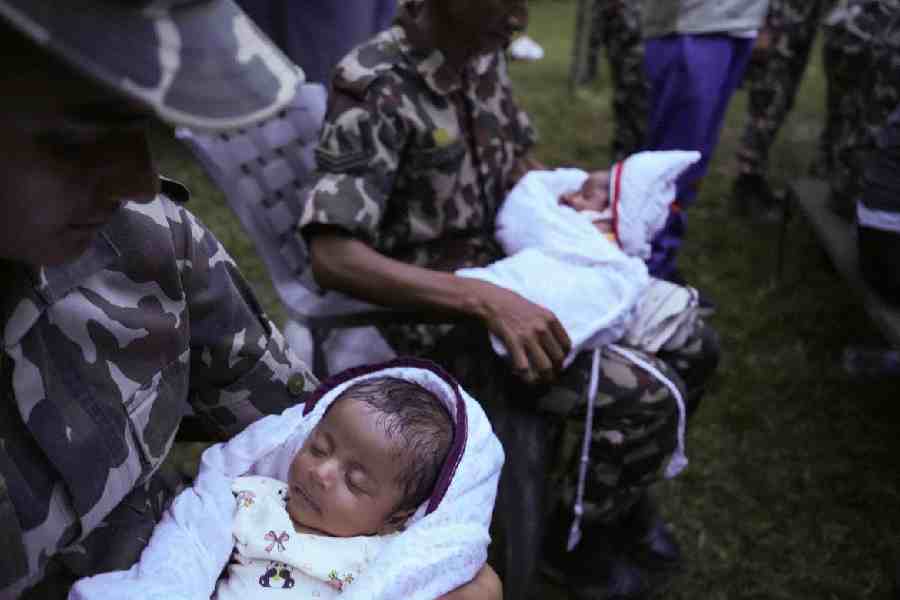
Some mothers became separated from their babies and had to travel long distances to find them.
The shelters often do not have special food for babies.
Mothers also have little privacy or quiet space to breastfeed.
Smoke, alcohol smells, stress and not enough food can make babies uncomfortable.
Pregnant women may have trouble reaching hospitals because roads are damaged by landslides.
Hospitals are also dealing with unreliable electricity and limited equipment.
Aid workers say mothers, newborns and pregnant women need special support during the disaster.

Crowded shelters lack baby food, private breastfeeding areas and adequate supplies for displaced mothers and infants.
Sharmila Shrestha walked six hours to reunite with her 14-month-old daughter after the floods separated them for several days.
Breastfeeding mother Pariyar said cigarette smoke, alcohol odors, food shortages and stress have affected her infant’s feeding and sleep.
The United Nations Population Fund estimates that about 4,430 pregnant women are living across 15 municipalities in three flood-hit districts.
Flood damage, landslides, unreliable electricity and limited hospital facilities are making childbirth and emergency care more difficult.
- Who
- Displaced mothers, babies and pregnant women in Nepal, along with hospitals, aid workers and women’s rights organizations.
- What
- Flooding has created shortages of baby food, privacy, sanitary supplies and maternal healthcare in crowded shelters.
- Where
- Flood-affected areas including Kathmandu, Rasuwa, Nuwakot and Dhading, as well as shelters along the Bhotekoshi-Trishuli corridor.
- When
- The crisis followed flash floods on August 26; the article also reports conditions and births occurring afterward.
- Why
- Floodwaters destroyed homes, separated families, damaged roads and disrupted shelter and hospital services.
Key facts
- Estimated pregnant women
- About 4,430 across 15 municipalities in Rasuwa, Nuwakot and Dhading
- Estimated births
- Around 492 births were expected in the following month
- Potential emergency obstetric cases
- Approximately 74 women may require emergency obstetric care
- Affected population estimate
- About 310,000 people across the three districts
- Hospital deliveries
- Trishuli Hospital conducted nine deliveries since the floods
- Shelter population
- More than 1,000 displaced people, including over 500 women, were housed at Chandrawati Secondary School
- Key shortages
- Baby food, food supplies, sanitary pads, privacy, reliable electricity and advanced neonatal care
Quotes
Sharmila Shrestha
A 33-year-old mother displaced by the Nepal floods
“Pregnant women and postpartum mothers have special needs. There is no private space to bathe, to dry clothes, to breastfeed. That privacy is not an extra service in a disaster response. It's a necessity.”
 telegraphindia.com
“They aren't giving any special food for babies. We are forced to feed that same heavy adult food to the small child”
telegraphindia.com
Sources
Related news
Nepal Flood Survivors Struggle for Food, Water and Shelter

Nepal Flood Survivors Rescued as Families Search for Missing Relatives
Nepal Flood Survivors Fear Food Risks Amid Devastating Displacement
Nepal Red Cross Leads Relief After Devastating Flash Floods

Nepal Flash Floods Kill At Least 270, Overwhelm Hospitals
Nepal Hospitals Become Search Points After Deadly Flash Floods

Nepal Floods Leave 1,344 Dead and Nearly 5,000 Missing

Flood-Destroyed China-Nepal Border Port Searches Continue Amid Devastation
First Images Reveal Flash Flood Devastation Along Tibet-Nepal Border
Nepal Police Warns Against Keeping Flood-Swept Valuables After August Floods