

1 week ago
U.S. Expands Cuba Sanctions, Detentions of Returning Americans
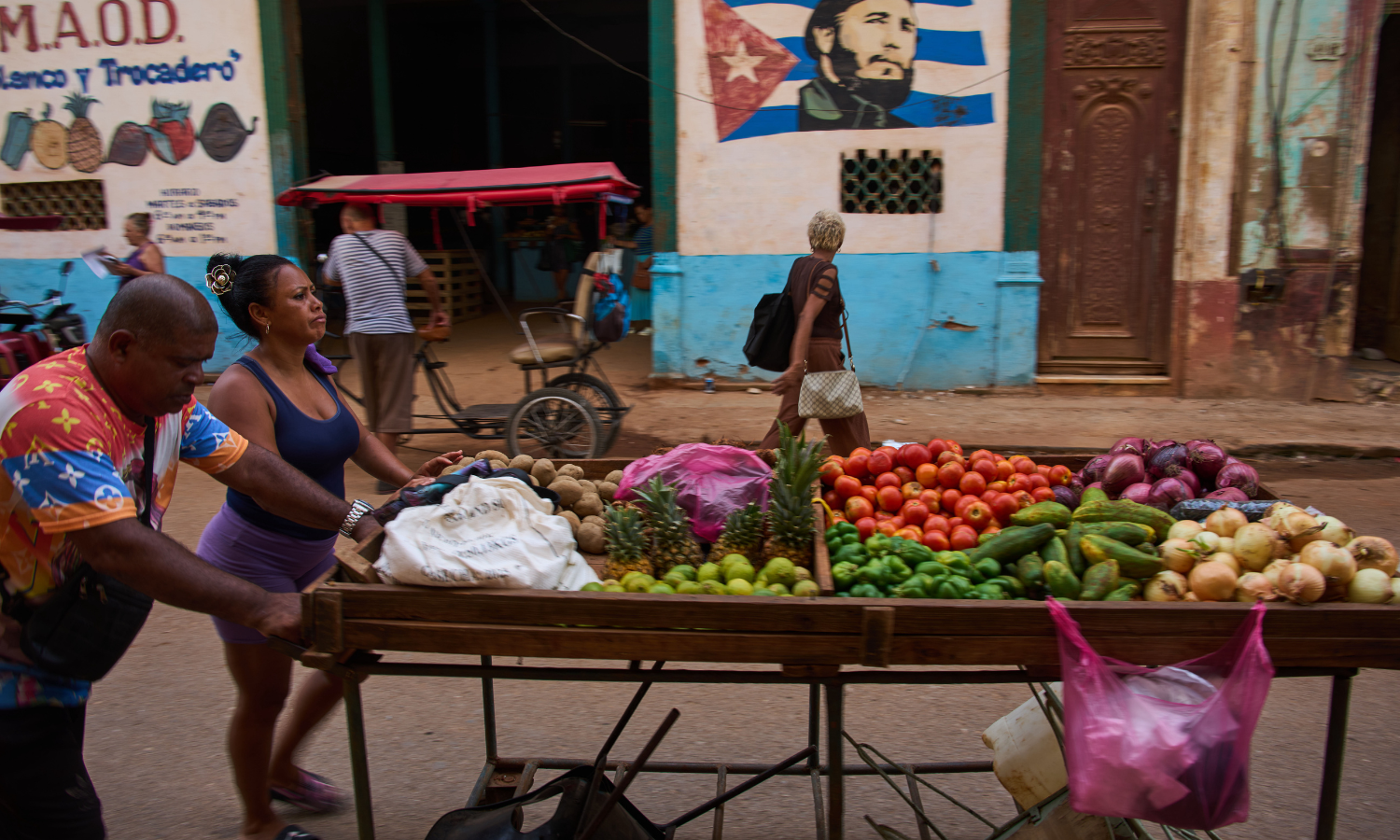
The United States is adding new economic penalties against Cuba.
The penalties target several Cuban companies and leaders of a friendship organization.
U.S. officials say the organization helps build support for Cuba inside the United States.
Cuba says this accusation is false and that the sanctions are meant to hurt ordinary people.
Some Americans who recently visited Cuba were questioned when they returned through Miami.
Officials also inspected some of their phones, laptops or tablets.
The travelers were released, but some could still face legal trouble if they broke U.S. rules.
The dispute comes as Cuba faces fuel shortages, blackouts, transportation problems and shortages of medicine.

The Trump administration imposed sanctions on nine Cuban state-owned mining, metals and construction companies.
The United States also sanctioned leaders of Cuba’s Institute of Friendship with the Peoples, or ICAP.
Several Americans returning from Cuba were briefly detained at Miami airport, and some had electronic devices seized for inspection.
U.S. officials said released travelers could still face prosecution for violating restrictions on transactions with Cuban government-linked businesses.
Cuban Foreign Minister Bruno Rodríguez accused Washington of deliberately worsening Cuba’s economic crisis and restricting basic services.
- Who
- The Trump administration, Cuban government officials, Cuban companies, ICAP leaders and Americans returning from Cuba.
- What
- The United States announced new sanctions and expanded enforcement of restrictions on Americans dealing with Cuban government-linked businesses.
- Where
- The sanctions affect entities in Cuba, while the detentions occurred at Miami airport.
- When
- The new sanctions were announced Thursday; the airport detentions occurred the previous weekend.
- Why
- U.S. officials say Cuba supports anti-American activism and seeks to influence Americans; Cuba says Washington is deliberately harming its economy and basic services.
U.S. Administration’s Position
Cuban Government’s Position
Purpose of the sanctions
U.S. Administration’s Position
U.S. officials say ICAP sponsors a subversive network that recruits and radicalizes Americans, while the targeted companies help support the Cuban government.
Cuban Government’s Position
Cuban Foreign Minister Bruno Rodríguez says the sanctions reflect a deliberate U.S. effort to damage Cuba’s economy and obstruct basic services.
Americans’ dealings in Cuba
U.S. Administration’s Position
U.S. authorities are enforcing rules that prohibit Americans from transacting with Cuban government-owned or affiliated restaurants, hotels and shops.
Cuban Government’s Position
The article reports Cuba’s broader objection to the pressure campaign, which it says is worsening conditions for the Cuban population.
ICAP’s role
U.S. Administration’s Position
Secretary of State Marco Rubio described ICAP as part of an effort to spread anti-American activism and Communist influence.
Cuban Government’s Position
Rodríguez described ICAP as an institution that has promoted friendship, international solidarity, justice and peace for more than six decades.
Key facts
- Newly sanctioned companies
- Nine Cuban state-owned mining, metals and construction companies.
- Sanctioned organization
- The Cuban Institute of Friendship with the Peoples, known as ICAP.
- Targeted ICAP leaders
- President Fernando González Llort, first vice president Noemí Ramona Rabaza Fernández and North America director Leima Martínez Freire.
- Airport operation
- Several Americans returning from Cuba were briefly detained at Miami airport and some had electronic devices seized.
- Possible legal consequences
- Released travelers could still face prosecution if authorities determine they violated U.S. sanctions.
- Cuba’s reported conditions
- The article describes fuel shortages, widespread blackouts, reduced transportation, medicine shortages and declining tourism.
- Cuban response
- Foreign Minister Bruno Rodríguez said the sanctions were intended to harm Cuba’s economy and prevent basic services.
Quotes

Bruno Rodríguez
Cuban foreign minister
“In his failed obsession with Cuba, he is now targeting executives and officials from ICAP — an institution that, for over six decades, has promoted friendship, international solidarity, justice, and peace — the exact opposite of what the Secretary of State has always championed in his corrupt policy.”
 deccanchronicle.com
“Just days ago, the regime attempted to use Communist kingpin and despot Fidel Castro’s 100th birthday to reinvigorate this subversive network, ferrying a new brigade of international sympathizers to Havana to network with regime officials.”
deccanchronicle.com
Sources
Related news

US Sanctions Cuban Officials and Nine Entities Over Repression
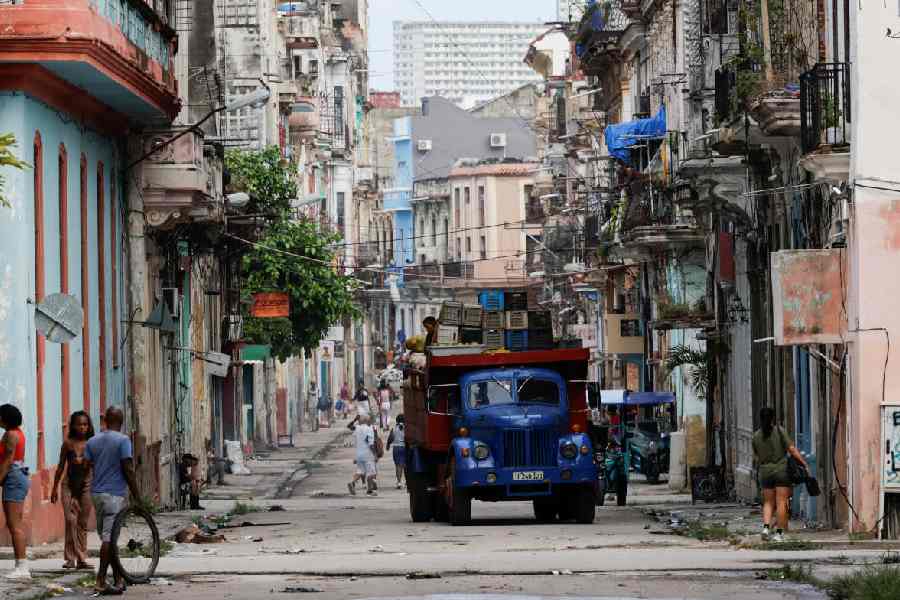
Cuba hit by more US sanctions despite pro-market economic overhaul

US Expands Intelligence Presence in Cuba Amid Blackout Crisis
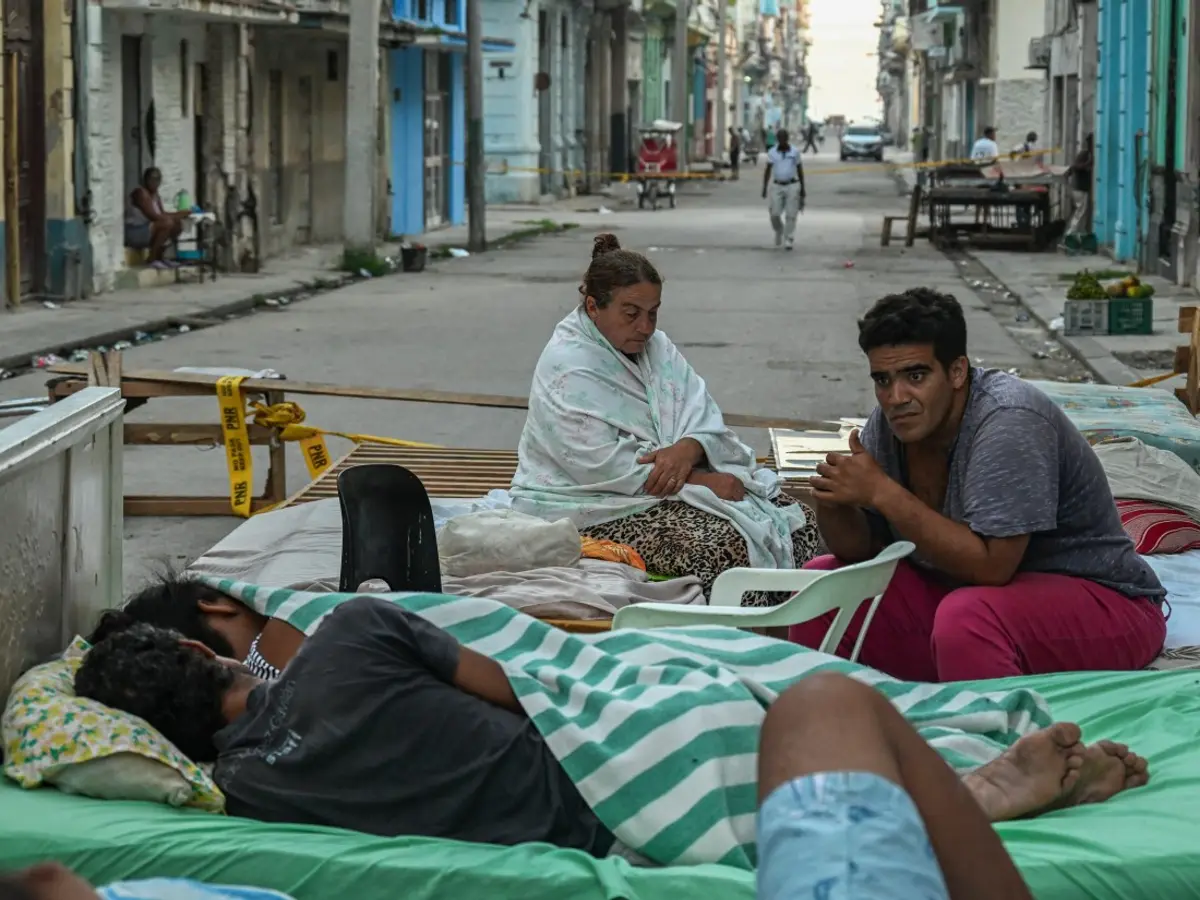
UN experts warn US sanctions push Cuba into full-blown crisis
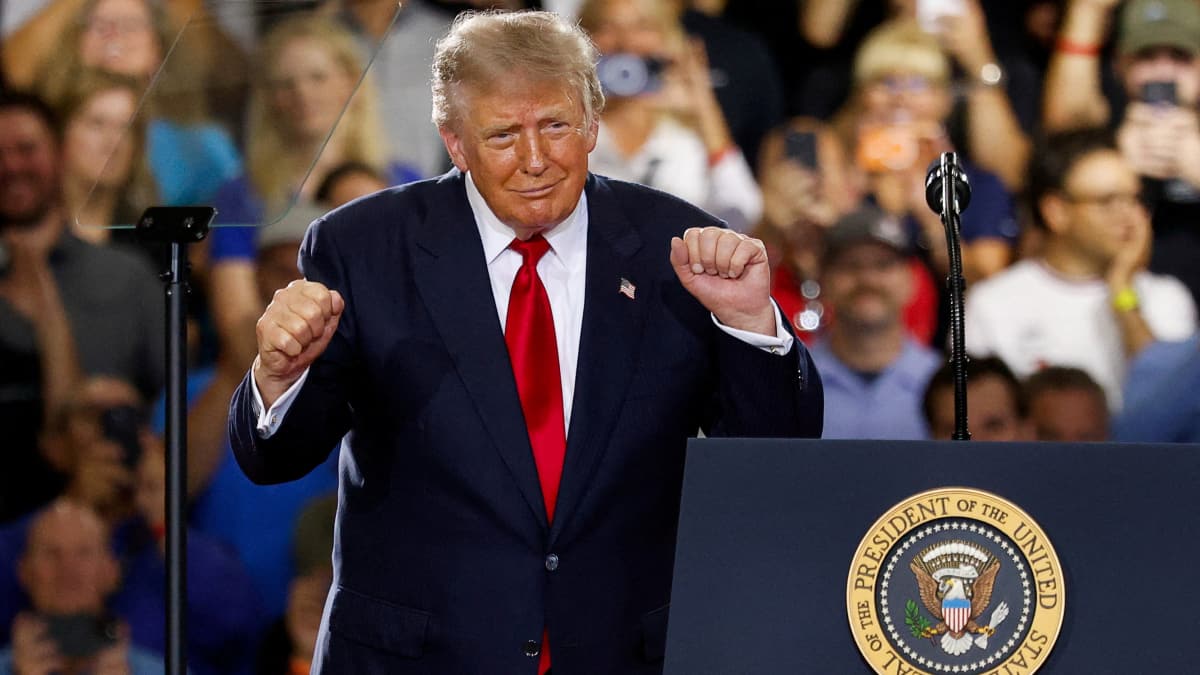
Trump ramps up Cuba campaign to force surrender or collapse

Cuba marks centenary of Fidel Castro's birth amid economic crisis

Eric Trump Showcases New Patriot Passport Bearing Trump’s Image
US Warns Middle East Travelers Amid Escalating Iran-Linked Tensions

Family Seeks US Intervention Over VanDyke Detention in Delhi
India and World Bank Discuss Deeper Capital Cooperation

Trump Administration Proposes Parental Status Proof for Children’s Passports
