

2 weeks ago
GLP-1 Patent Expiries Bring Affordable Access and Counterfeit Risks
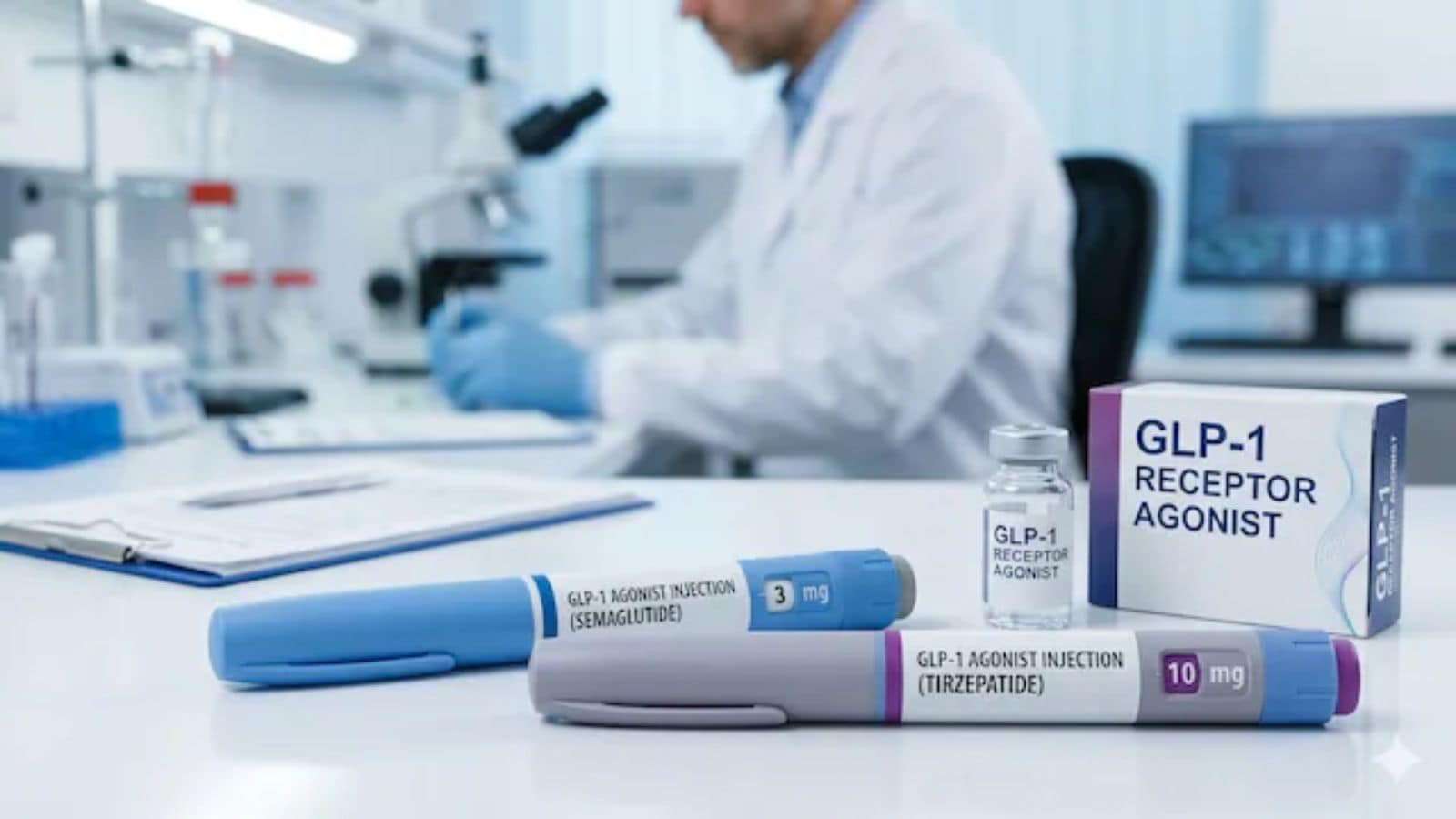
GLP-1 medicines are special medicines that help people who are very overweight, and they also help with diabetes and heart health.
More than one billion people around the world struggle with obesity, so these medicines are very important.
These medicines have become very popular, and governments are spending a lot more money on them.
When a company's patent ends, other companies are allowed to make the same medicine, which makes it cheaper.
That already happened in Brazil, where five new versions of one medicine were approved.
India could become a big maker of these medicines for the whole world.
But there is a problem: fake versions of these medicines are appearing in some markets.
The FDA has warned people about these fake medicines because they can be dangerous.
That is why doctors, companies, and regulators all need to work together to keep patients safe.

Obesity affects more than 1 billion people worldwide, and GLP-1 medicines treat weight management, type 2 diabetes, and cardiovascular risk.
Medicaid prescriptions for FDA-approved GLP-1 obesity drugs increased 546% from 2019 to 2024.
Market analysts anticipate the global GLP-1 market will cross US$190 billion by 2035.
IQVIA views 2026 as a key year as semaglutide patents start to expire in markets such as India, and Brazil has already approved five new injectable semaglutide products.
The US FDA has warned about counterfeit and falsified GLP-1 products, while India is positioned to become a global leader in affordable, high-quality GLP-1 manufacturing.
- Who
- Patients with obesity, health care providers, regulators such as the US FDA, pharmaceutical manufacturers, and author Dr. Sabine Kapasi.
- What
- The expanding GLP-1 medicine market faces patent expiries and rising competition, alongside growing risks from counterfeit and falsified products.
- Where
- Globally, with specific focus on the United States, India, and Brazil.
- When
- From 2019 to 2024 for the 546% increase in Medicaid prescriptions, with 2026 flagged as a key patent-expiry year and 2035 as the market forecast target.
- Why
- Rising demand for obesity and diabetes treatments, combined with expiring semaglutide patents, is opening the market to competition while counterfeit risks threaten patient safety.
Key facts
- Global obesity prevalence
- More than 1 billion people affected worldwide
- Medicaid GLP-1 prescription growth
- 546% increase from 2019 to 2024
- Projected GLP-1 market size
- US$190 billion by 2035
- Semaglutide patent expiries
- Expected to start in 2026 in markets such as India
- Brazil approvals after patent expiry
- Five new injectable semaglutide products
- Counterfeit threat
- FDA warnings issued on fraudulent compounded and counterfeit GLP-1 medicines
- Author
- Dr. Sabine Kapasi, Global Health Strategist and UN Advisor
Sources
Related news

The dark side of India's booming market for weight-loss drugs

Lupin Reassesses GLP-1 Market as It Develops New Treatments

China’s Weight-Loss Drug Market Attracts Big Pharma Advertising Push
Bengaluru Peptide Party Cancelled Amid Safety Concerns Over Wellness Craze

Serena Williams Defends GLP-1 Weight-Loss Drug Use; Doctors Urge Caution

India-Brazil Friendly Tickets Sell Out as Kolkata Anticipates Clash

India–Brazil Friendly Tickets Go On Sale Ahead Of Kolkata Clash

Bessent Warns G20 Subsidies and Export Dependence Fuel Tensions

Cafu to Launch Futsal Teams and Sports Resort in Darjeeling

Brazil Approves Tax Breaks to Attract Data Centre Investments
