

1 week ago
Apache Crash Rate Rises Amid Army Transmission Safety Concerns

The Army’s Apache helicopters have had several very serious flying accidents.
Five Class A mishaps were recorded during fiscal year 2026 so far.
CNN estimated that the accident rate was about 6.24 serious mishaps for every 100,000 hours flown.
The Apache also had a high accident rate in fiscal year 2024.
Army safety messages describe a problem with the helicopter’s transmission.
This problem can affect the tail rotor, electricity and hydraulic systems.
If those systems fail, the helicopter could spin and become difficult to control.
The Army is still investigating what causes the transmission problem.

The United States Army recorded five Class A Apache flight mishaps in fiscal year 2026.
CNN calculated an estimated FY2026 rate of 6.24 Class A mishaps per 100,000 flight hours.
The calculation used approximately 80,171 Apache flight hours through August 15.
The Apache recorded a similarly high rate of 7.02 major mishaps per 100,000 hours in FY2024.
Internal Army safety messages said an E-model transmission problem can affect the tail rotor, electrical and hydraulic systems.
- Who
- The United States Army and its AH-64 Apache helicopter fleet.
- What
- Apache helicopters are experiencing a historically high rate of Class A flight mishaps amid a transmission problem affecting critical systems.
- Where
- The articles do not specify a location for the mishaps.
- When
- The report covers fiscal year 2026 through August 15 and also cites fiscal year 2024 data.
- Why
- A transmission-related problem may cause the loss of tail-rotor, electrical and hydraulic systems; its exact cause remains under investigation.
Key facts
- FY2026 mishaps
- Five Class A Apache flight mishaps had been recorded.
- Estimated FY2026 rate
- Approximately 6.24 Class A mishaps per 100,000 flight hours.
- Flight hours counted
- Approximately 80,171 hours through August 15.
- FY2024 rate
- 7.02 major mishaps per 100,000 flight hours.
- Affected model
- The Apache E-model, which entered service in 2011.
- Potentially affected systems
- The tail rotor, electrical power and hydraulic systems.
- Investigation status
- The exact cause of the transmission problems remains under investigation.
Sources
Related news
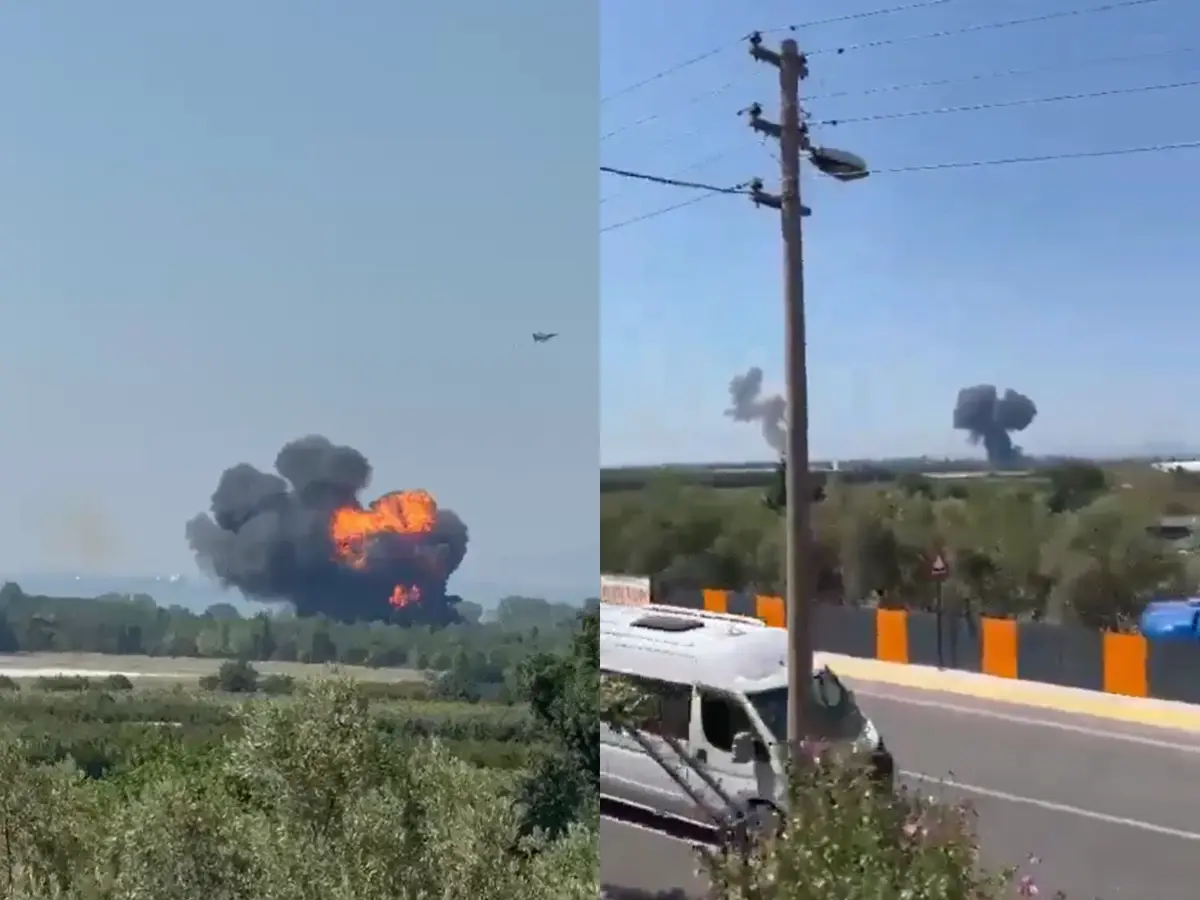
US Army Apache Helicopter Crashes in Texas, Killing Two Soldiers
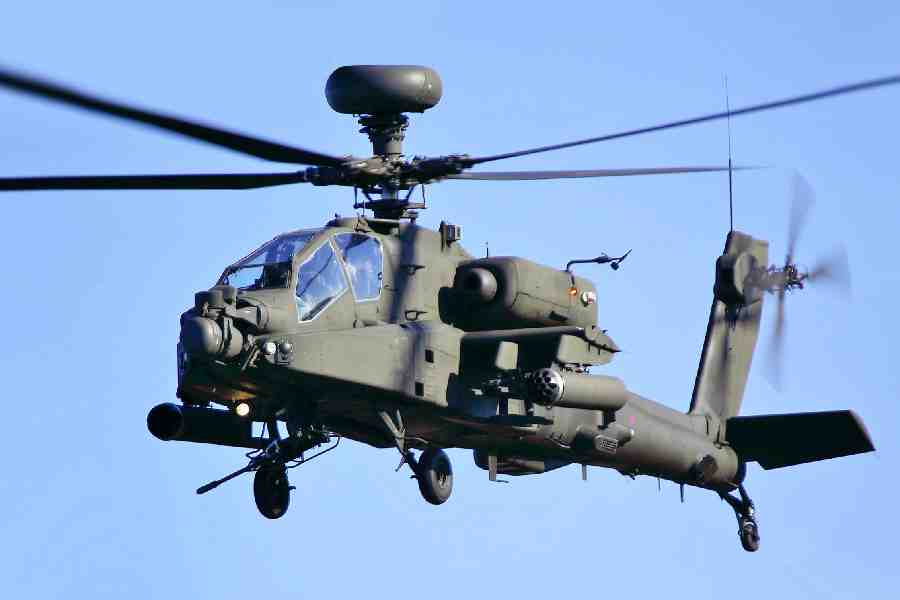
US Army Grounds Apache Training Flights After Fatal Texas Crash

Two US Army Soldiers Killed in Texas Apache Helicopter Crash

Two Killed as Firefighting Helicopter Crashes Battling Utah Wildfire

Fatal New Mexico Crash Raises Questions Over Military GPS Jamming

Sikorsky S-64 Skycrane Crashes Near Richfield Fighting Widemouth 2 Fire

World roundup spans tariffs, visas, Xi visit and crises
