2 days ago
How India’s Election Commission Decides When Commissioners Disagree
India’s Election Commission has three members.
One of them is the Chief Election Commissioner, or CEC.
The CEC leads the institution but does not have extra voting power.
Each commissioner has one vote.
The commission tries to agree unanimously whenever possible.
If they cannot agree, the position supported by two members wins.
Reports say there were questions and objections about electoral rolls and the SIR exercise.
The commission says those discussions did not become formal disagreements in its final decisions.

The Chief Election Commissioner has one vote and no veto over the other commissioners.
Under Section 18 of the 2023 Act, the Commission should seek unanimity where possible.
If commissioners disagree, the majority view prevails, allowing a 2-1 decision.
The Election Commission says its final decisions on the SIR exercise were unanimous.
Reports of internal objections differ from formal dissent and must be assessed through official records.
- Who
- Chief Election Commissioner Gyanesh Kumar and Election Commissioners Sukhbir Singh Sandhu and Vivek Joshi, who comprise the current Election Commission of India.
- What
- The article explains how the Election Commission decides matters when its three commissioners disagree.
- Where
- Within the Election Commission of India.
- When
- The Commission has operated as a three-member body since 1993, under a framework set out in the 2023 Act.
- Why
- Reports of differences over electoral rolls and the Special Intensive Revision exercise raised questions about whether the CEC can overrule the other commissioners.
Reports of Internal Differences
Election Commission’s Response
Nature of disagreements
Reports of Internal Differences
Reports indicate that Sukhbir Singh Sandhu and Vivek Joshi raised objections on several occasions about aspects of the SIR exercise and related decisions.
Election Commission’s Response
The Election Commission says questions, observations and suggestions are normal parts of deliberations and do not necessarily amount to formal dissent.
Final decisions
Reports of Internal Differences
The reported differences have prompted questions about how the Commission reached decisions and whether all required procedures were followed.
Election Commission’s Response
The ECI maintains that its final decisions, including those concerning SIR, were taken unanimously.
Importance of the record
Reports of Internal Differences
Concerns may focus on whether matters were properly circulated, considered by all commissioners and recorded in minutes.
Election Commission’s Response
Whether a decision is legally valid depends on the facts, applicable law and, where relevant, judicial findings; a procedural dispute does not automatically invalidate it.
Key facts
- Current CEC
- Gyanesh Kumar
- Election Commissioners
- Sukhbir Singh Sandhu and Vivek Joshi
- Relevant law
- Section 18 of the Chief Election Commissioner and Other Election Commissioners Act, 2023
- Decision rule
- The Commission should seek unanimity; if commissioners differ, the majority view prevails.
- CEC voting power
- The CEC has one vote and no veto over the other commissioners.
- Current controversy
- Reports concern electoral rolls and the ongoing Special Intensive Revision exercise.
Sources
Related news

Supreme Court Refers Election Commission Appointment Law to Larger Bench
Election Commission Calls SIR Decisions Unanimous Despite Internal Objections
Supreme Court to Hear Plea on ECI Decision-Making
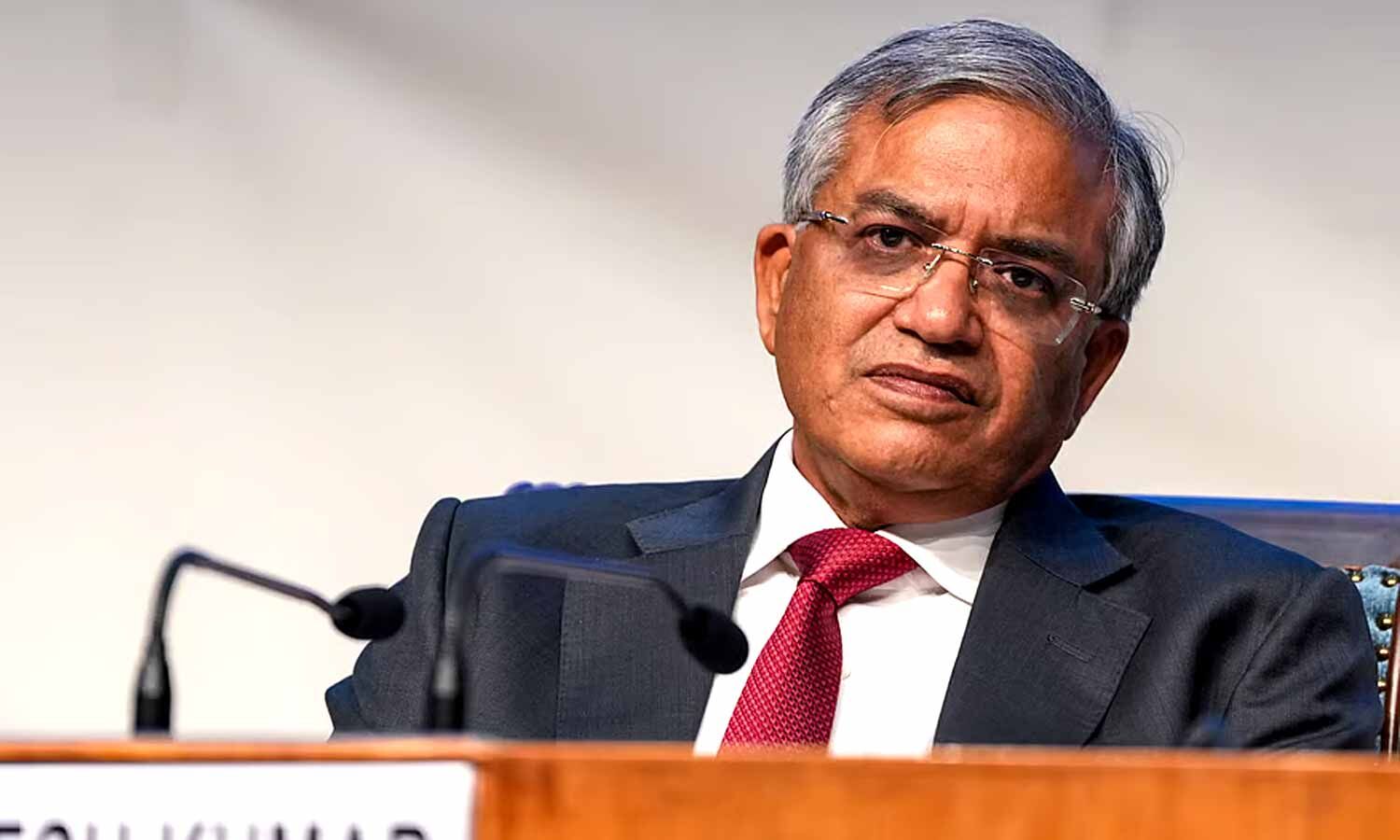
Election Commission Says SIR Decisions Were Unanimous After Rift Report
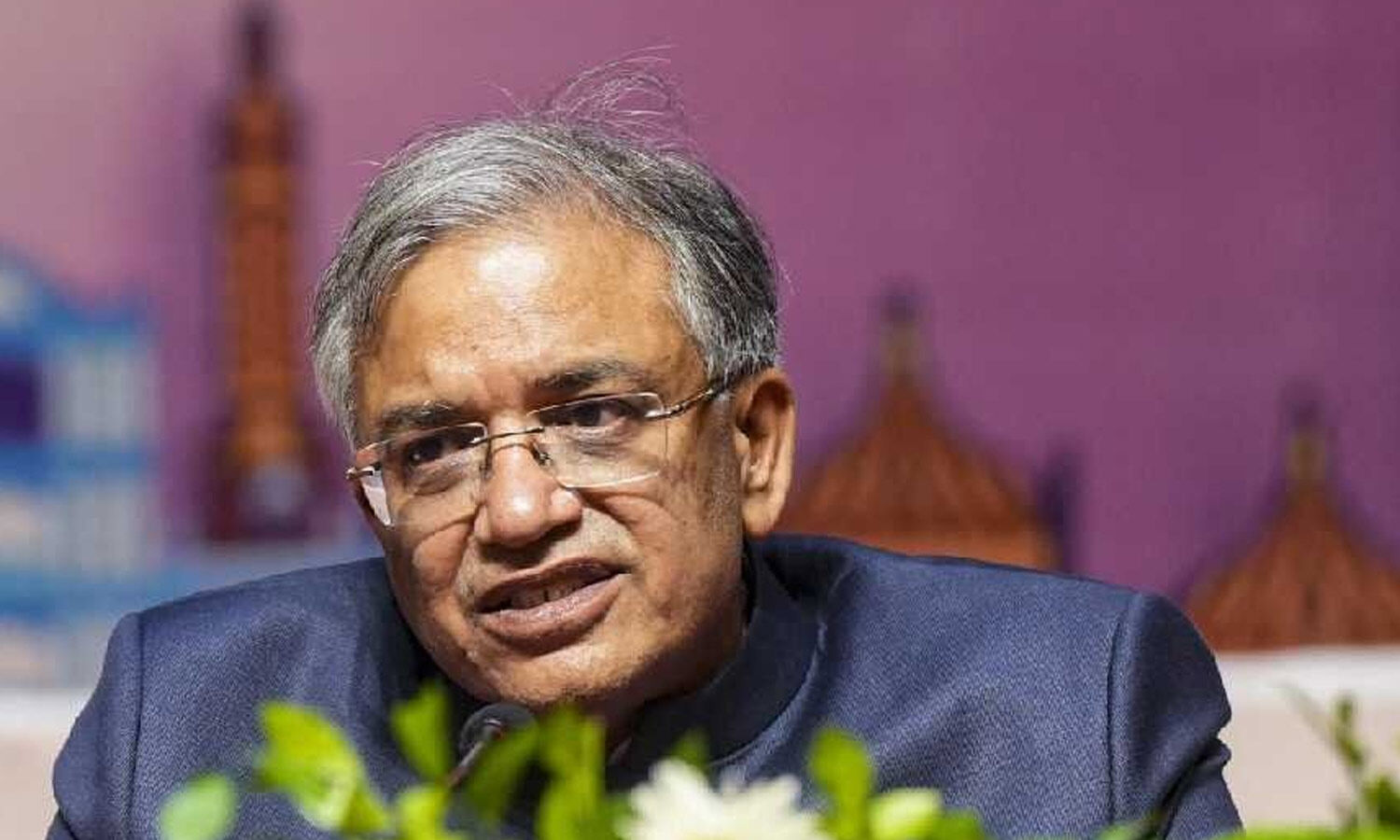
Election Commission Defends SIR Decisions Amid Dissent Controversy
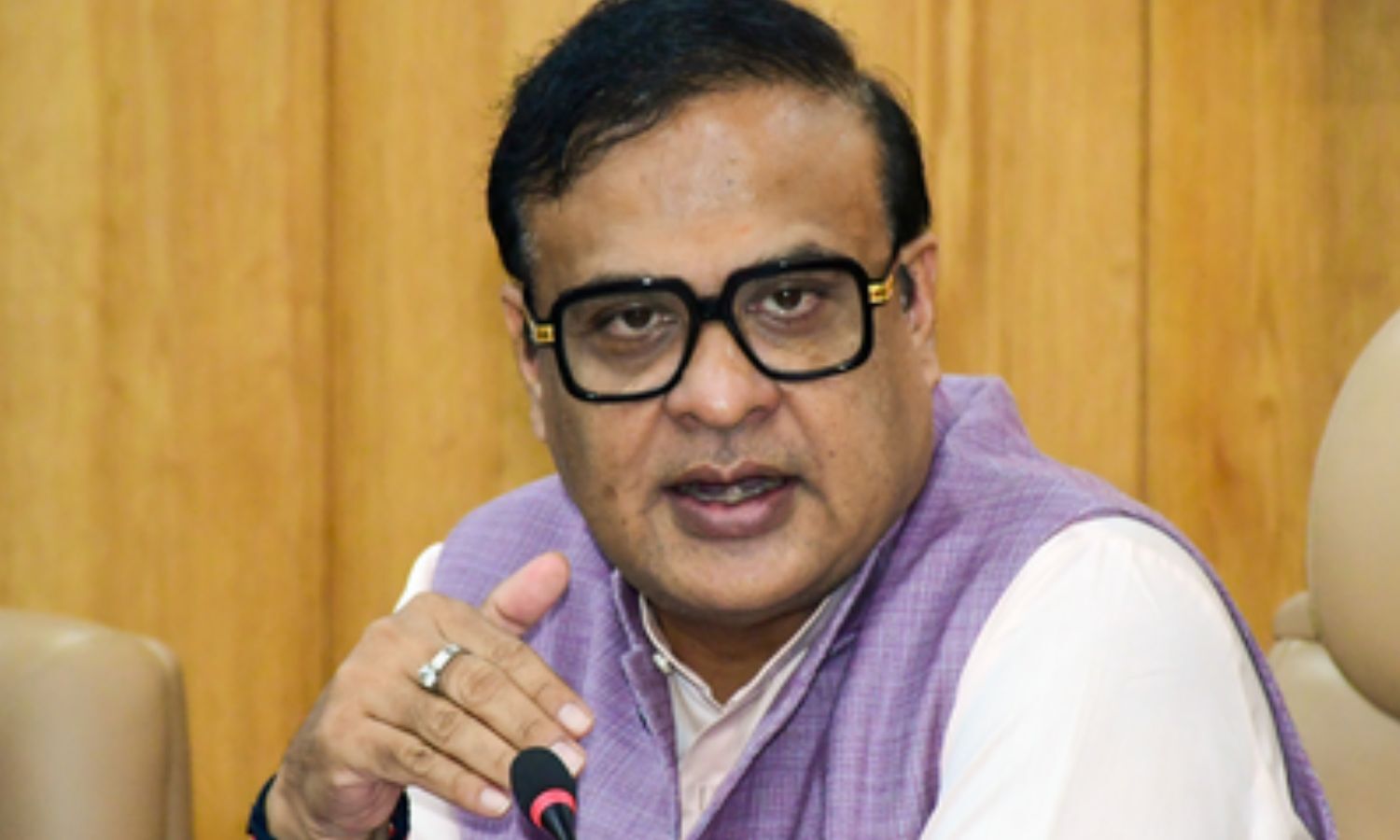
Assam CM Defends Collective Election Commission Decision-Making Amid Criticism

SIR Row: Delhi, Mumbai Protests Planned Over Voter Rolls

Opposition Protests Target Election Chief Over Electoral Roll Revision
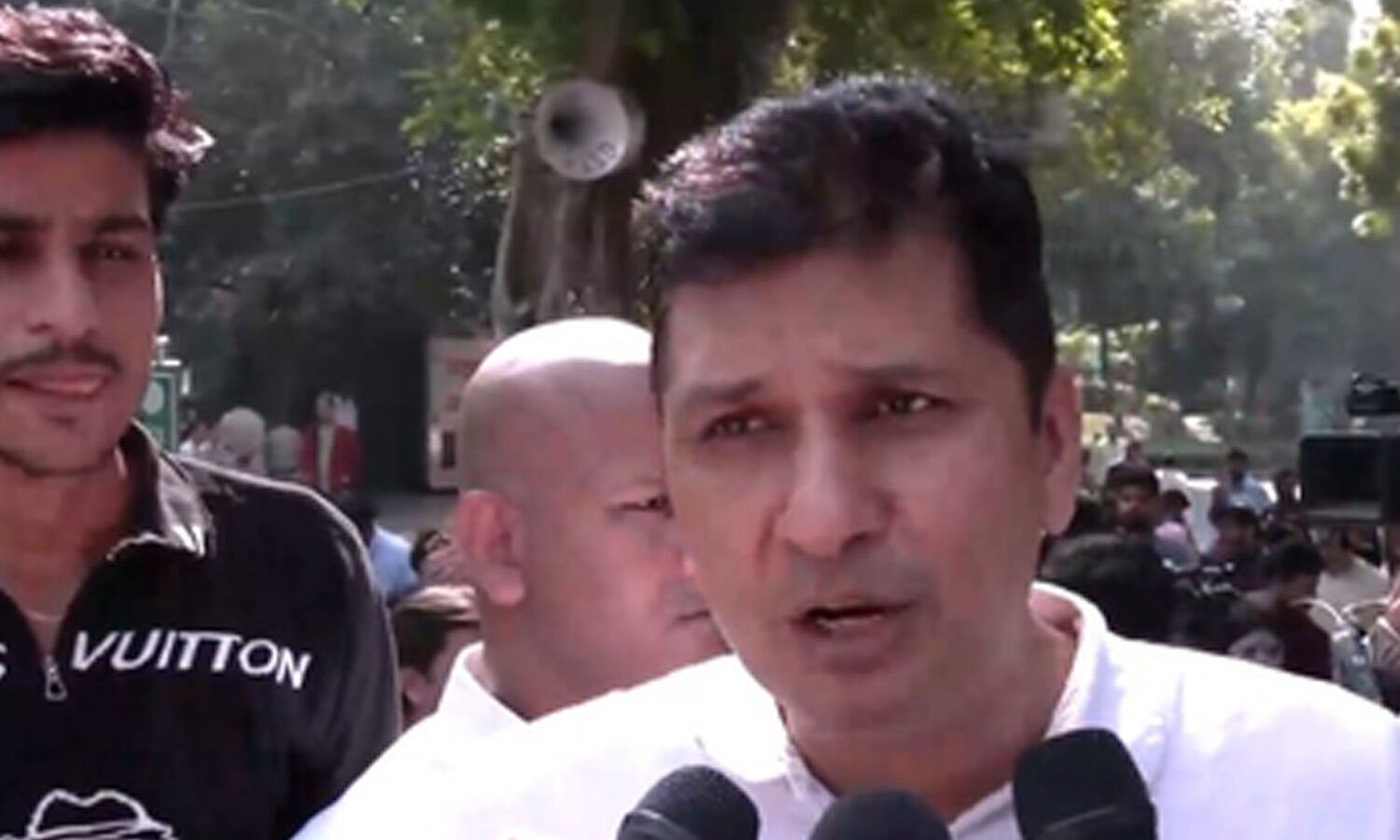
AAP Delhi Chief Detained During Anti-Election Commission Protest
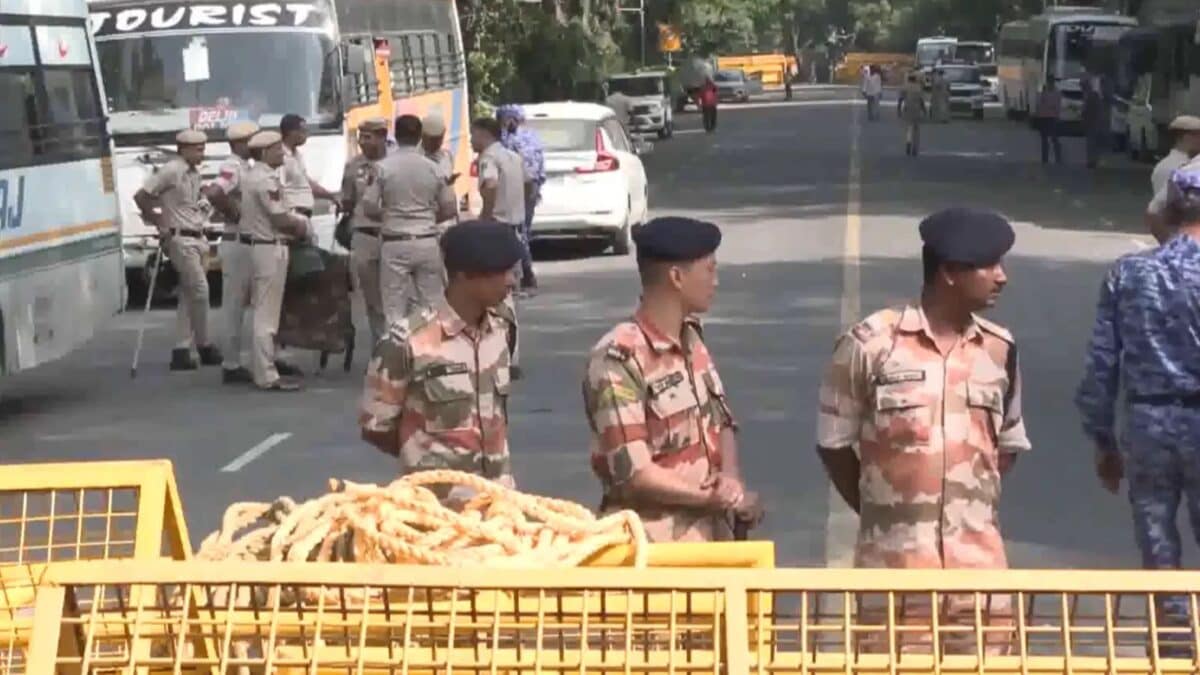
Delhi Jantar Mantar Protest Faces Restrictions Over Election Commission
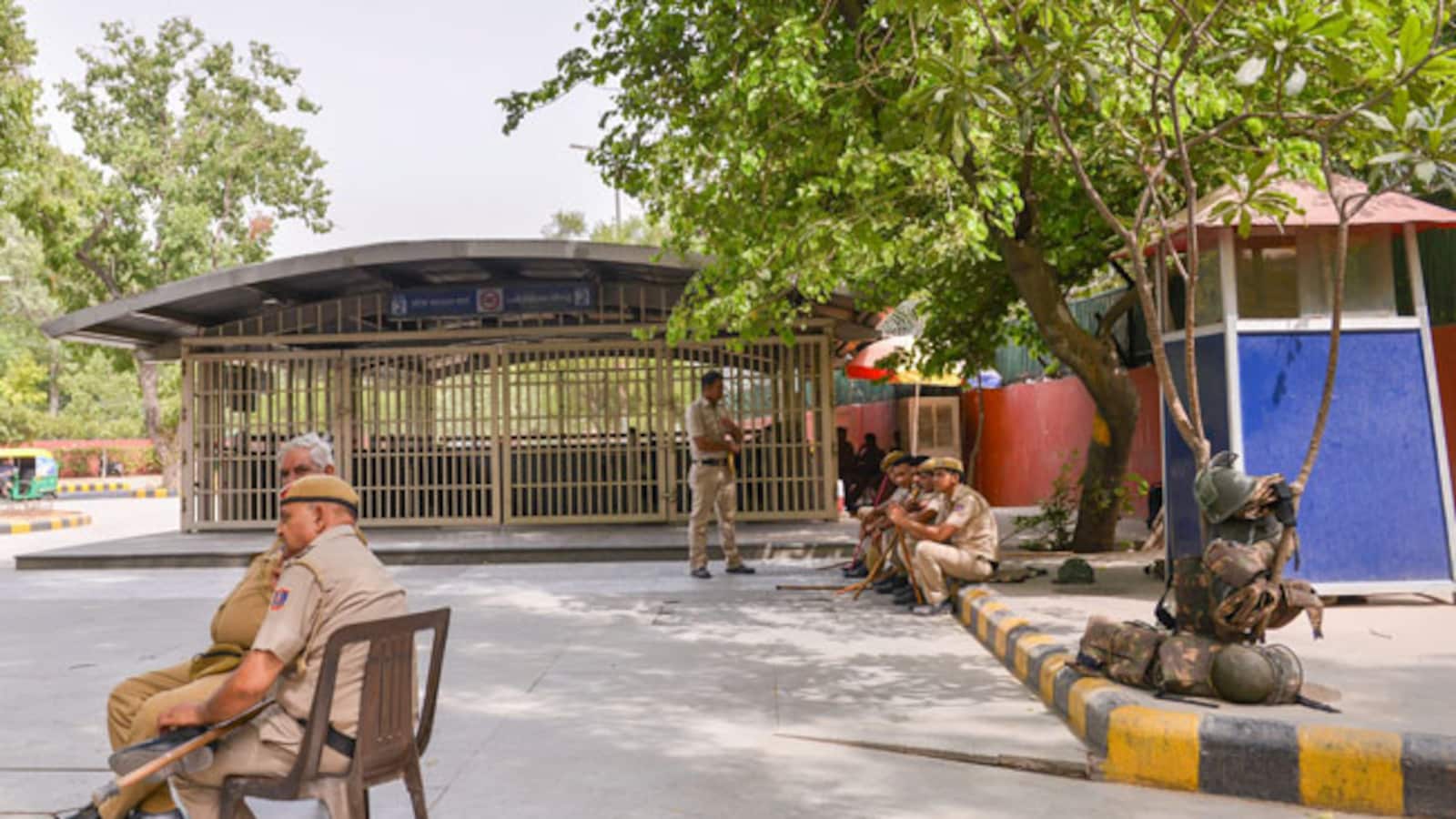
Delhi Metro Closes 11 Stations Ahead of Electoral Protest