

2 hrs ago
Election Commission Denies Rift Over Unanimous SIR Decisions
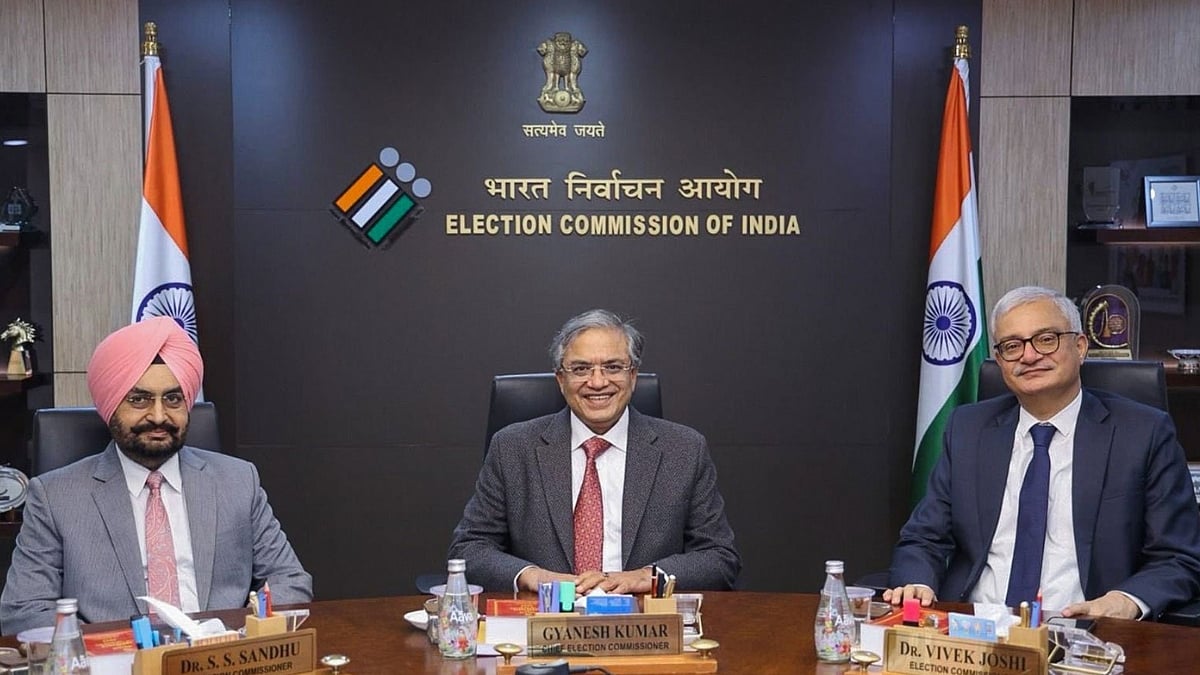
The Election Commission of India makes decisions about elections and voter lists.
It is carrying out a process called the Special Intensive Revision, or SIR.
A report said two election commissioners disagreed with some actions many times.
The disagreements reportedly involved voter forms, computer systems and voter-list cases in West Bengal and Goa.
One concern was whether a new question could legally be added to Form 6.
Another was whether only authorised officials could change voter records.
The Election Commission said these discussions did not show a fight inside the panel.
It said all final decisions were approved unanimously by its three commissioners.

The Election Commission of India said all decisions on electoral rolls and the Special Intensive Revision were unanimous.
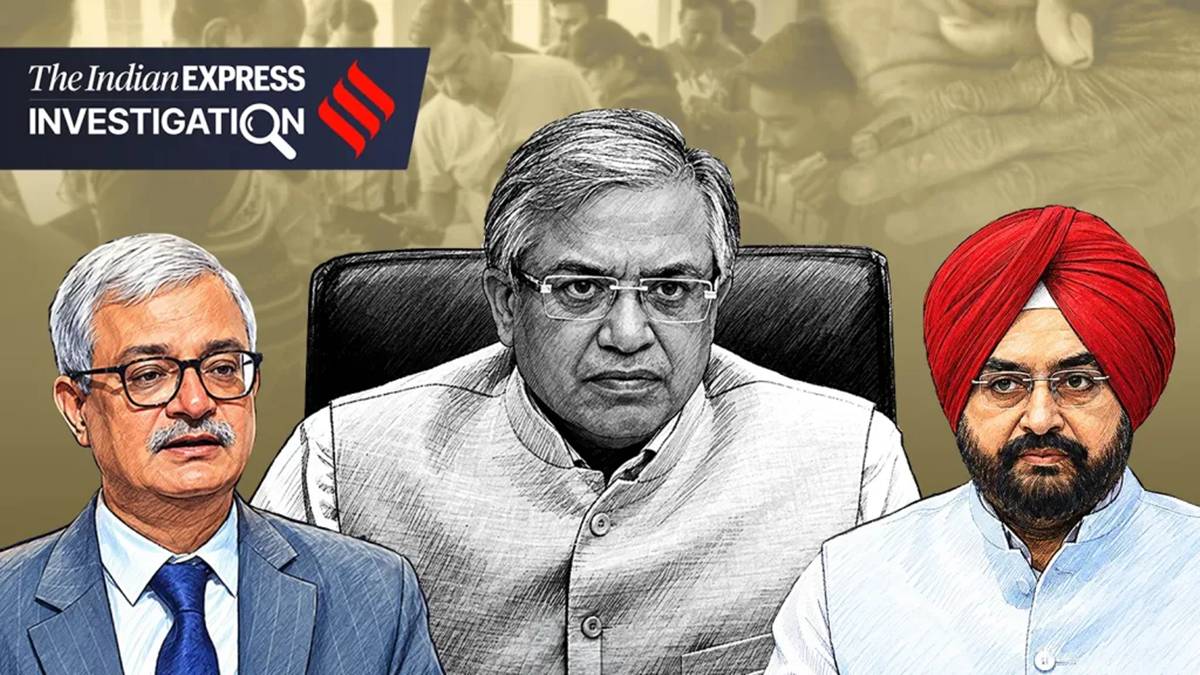
An Indian Express investigation reported at least 14 objections by two commissioners between November 2025 and August 2026.
Reported disputes involved Form 6 changes, electoral-roll databases, West Bengal appeals and voter additions in Goa.
Vivek Joshi and Sukhbir Singh Sandhu reportedly raised concerns about legal authority, database access and software problems.
The Election Commission rejected the characterization of the objections as evidence of an internal rift.
- Who
- The Election Commission of India, Chief Election Commissioner Gyanesh Kumar, and Election Commissioners Sukhbir Singh Sandhu and Vivek Joshi.
- What
- The Election Commission rejected a report alleging an internal rift over electoral-roll decisions and the Special Intensive Revision.
- Where
- The issues involved the Election Commission's national systems and electoral-roll procedures in West Bengal and Goa.
- When
- The reported objections allegedly occurred between November 2025 and August 2026; the report was addressed in the subsequent clarification.
- Why
- The clarification was issued after an Indian Express investigation reported that Sandhu and Joshi had formally objected to several decisions.
Reported Concerns
Election Commission Response
Internal disagreement
Reported Concerns
The Indian Express investigation reported that Sukhbir Singh Sandhu and Vivek Joshi recorded at least 14 formal objections to decisions over 10 months.
Election Commission Response
Election Commission sources said the exchanges did not demonstrate an internal rift and that final decisions were unanimous.
Form 6 legality
Reported Concerns
The report said Vivek Joshi, supported by Sukhbir Singh Sandhu, argued that Form 6 could not be changed in the reported manner without changing the electoral rules.
Election Commission Response
The Election Commission's stated position was that the final decisions concerning SIR were approved by all three commissioners.
Electoral-roll systems
Reported Concerns
The report said the two commissioners sought stronger controls over access to ERONet and raised concerns about officials' access and software-related problems.
Election Commission Response
The Election Commission maintained that the panel's final decisions on electoral-roll matters were taken unanimously.
Key facts
- Reported objections
- At least 14 objections were reportedly raised between November 2025 and August 2026.
- Commission's position
- The Election Commission said all final decisions, including those on SIR, were unanimous.
- Form 6
- The report said a new SIR-related section asked whether an applicant or a parent or grandparent appeared in a previous SIR electoral roll.
- Digital systems
- The concerns involved ERONet and ECINet, platforms used for electoral-roll work.
- West Bengal
- Sukhbir Singh Sandhu reportedly questioned the authority behind appeals seeking deletion of names retained after judicial scrutiny.
- Goa
- The report said 97 eligible voters could not be added to the final roll because of a software-related problem.
- Officials contacted
- The commissioners reportedly raised concerns about Election Commission IT-system changes with Cabinet Secretary T. V. Somanathan.
Quotes

Election Commission of India
India’s constitutional body responsible for supervising elections
“Differing views and observations are a normal part of deliberation in any institution”
 freepressjournal.in
Sources
Related news

Election Commission Says SIR Decisions Were Unanimous Despite Reported Objections
Dissent Deepens Inside Election Commission Over SIR Decisions
Election Commission Says SIR Decisions Were Unanimous Despite Objections

Rahul Gandhi Accuses Election Commission of ‘Vote Chori’
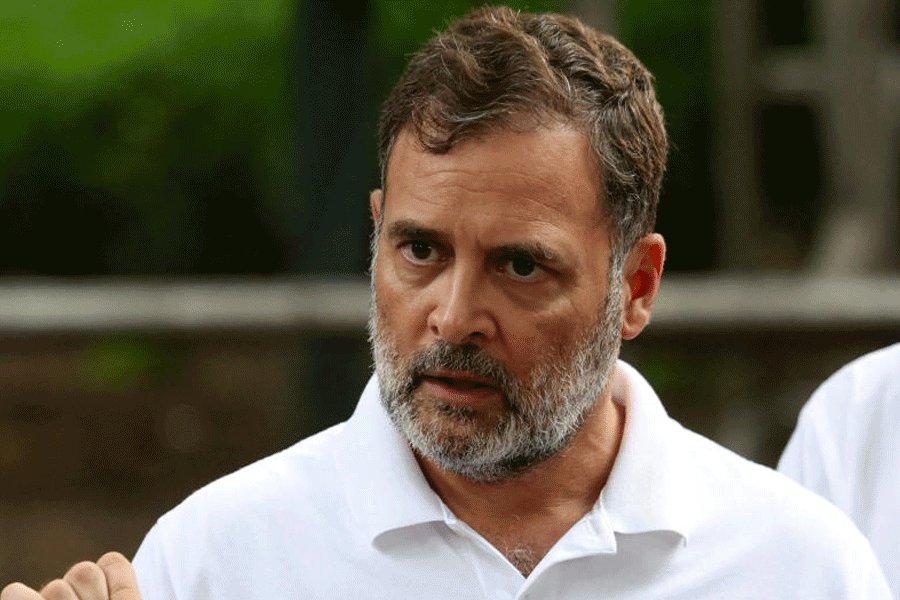
Rahul Gandhi Calls ‘Vote Chori’ Claims an Act of Treason
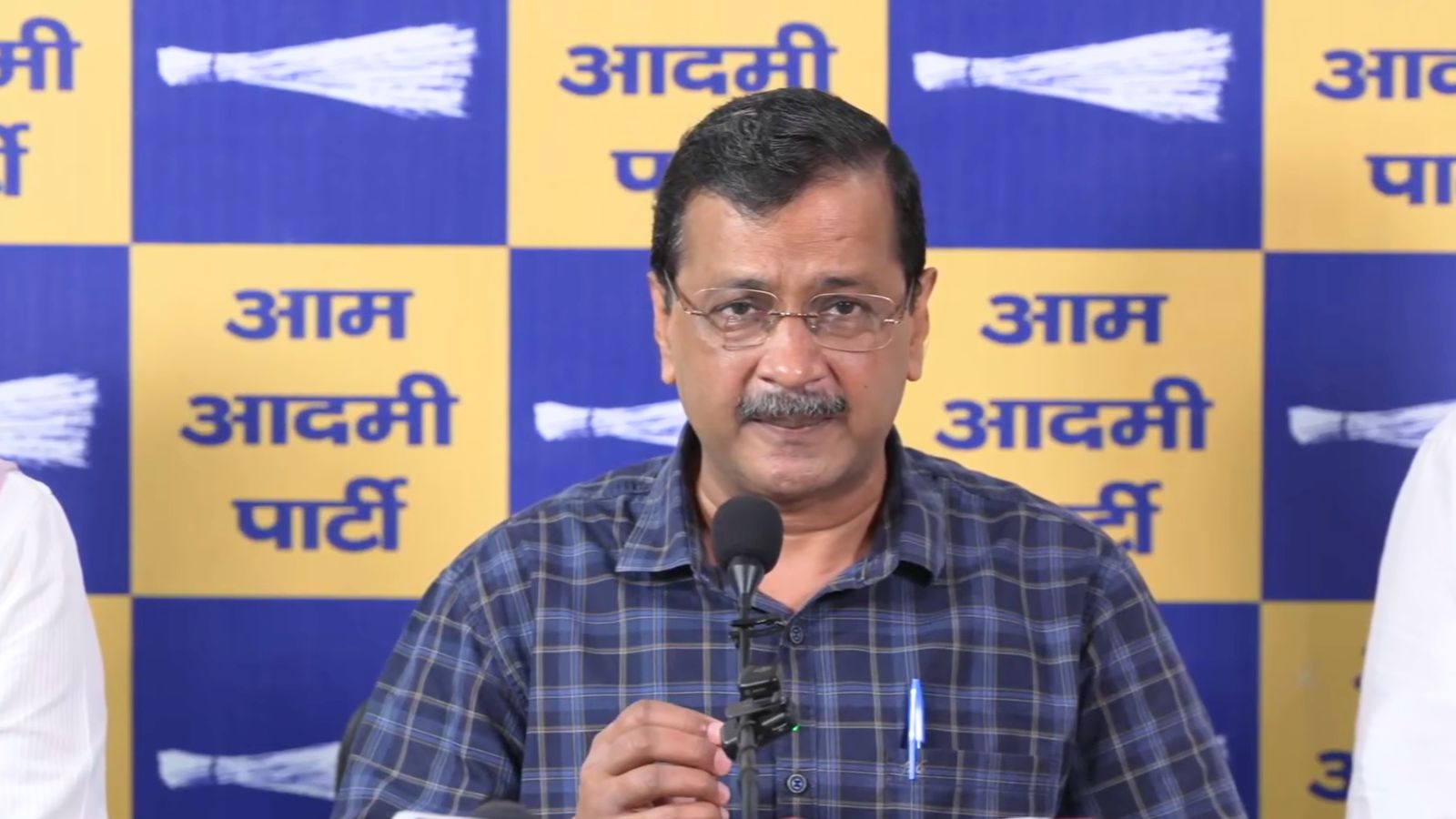
Kejriwal Demands Gyanesh Kumar’s Arrest, Election Repolls
