

15 hrs ago
Cornell Lawsuit Puts Fraternity Violence and Oversight in Spotlight

A former Cornell student has filed a lawsuit alleging that seven students in a fraternity raped her in 2024.
The students are connected to Cornell’s Chi Phi chapter, which has been shut down while the case is investigated.
The lawsuit also names Cornell and other people.
New York Governor Kathy Hochul said the survivor was failed and appointed Attorney General Letitia James to lead the case.
Cornell said it shared details with local police, but the police disputed that claim.
Students are asking Cornell to change how it handles sexual-assault cases and to investigate its own response.
The case has also raised questions about how much control universities have over fraternity houses, which are often privately owned.
Fraternities can bring students together, but the article also describes concerns about assault, drinking, and hazing.

A former Cornell student filed a civil lawsuit on September 16 alleging she was raped by seven fraternity members in 2024.
The lawsuit names the seven students, Cornell University, and others; the students are associated with Cornell’s Chi Phi chapter.
Governor Kathy Hochul said the survivor was failed and appointed Attorney General Letitia James to lead the case.
Cornell said it submitted case details to Ithaca police, while police disputed that claim; the Chi Phi chapter was shut down pending investigation.
The case has prompted calls for stronger university accountability and highlighted the challenges of regulating fraternity houses often owned by alumni corporations.
- Who
- A former Cornell student has sued seven students associated with the Chi Phi chapter, Cornell University, and others.
- What
- The former student alleges she was raped by seven fraternity members in 2024; the suit has prompted scrutiny of fraternity conduct and university oversight.
- Where
- Cornell University in Ithaca, New York.
- When
- The alleged incident occurred in 2024; the lawsuit was filed September 16. The article does not specify the year of filing.
- Why
- The lawsuit and questions about Cornell’s response have renewed debate about fraternity misconduct, university accountability, and the limits of campus oversight.
Critics and Student Organizers
University and Fraternity Autonomy
Cornell’s handling of the case
Critics and Student Organizers
New York Governor Kathy Hochul said the survivor was failed at every turn. Student organizers are calling for an external investigation, revised sexual-assault policies, prevention training for campus police, and action against the alleged perpetrators.
University and Fraternity Autonomy
Cornell said it submitted all details of the case to the Ithaca Police Department; the police disputed that claim. The article does not provide a further response from Cornell.
Regulating fraternity houses
Critics and Student Organizers
Critics argue universities should take stronger action against fraternity misconduct. Ithaca’s mayor called for a moratorium on fraternity life, and Cornell’s Chi Phi chapter was shut down pending investigation.
University and Fraternity Autonomy
Fraternity houses are often owned by alumni corporations and treated as private property, limiting universities’ control over what happens inside them, according to Nicholas L. Syrett.
Key facts
- Lawsuit filed
- September 16, in New York State Supreme Court
- Allegation
- A former Cornell student alleges she was raped by seven members of a fraternity house in 2024.
- Defendants
- The lawsuit names the seven students, Cornell University, and others, including faculty and alumni.
- Fraternity chapter
- The students belonged to a Cornell chapter of Chi Phi, which was shut down pending investigation.
- State response
- Governor Kathy Hochul appointed Attorney General Letitia James to lead the case.
- Estimated membership
- About one million students are estimated to belong to US fraternities and sororities.
- Research cited
- A 2007 study by John Foubert concluded fraternity men were three times more likely to commit sexual assault than non-participants.
Quotes
Nicholas L. Syrett
Author of A History of White College Fraternities and Gender Studies Chair at the University of Wisconsin-Madison.
“One of the reasons was also to separate out the wealthier or secular students from the poorer students studying for the ministry.”
 indianexpress.com
“Almost everyone who wanted to be in one (literary society) was able to join.”
indianexpress.com
Sources
Related news
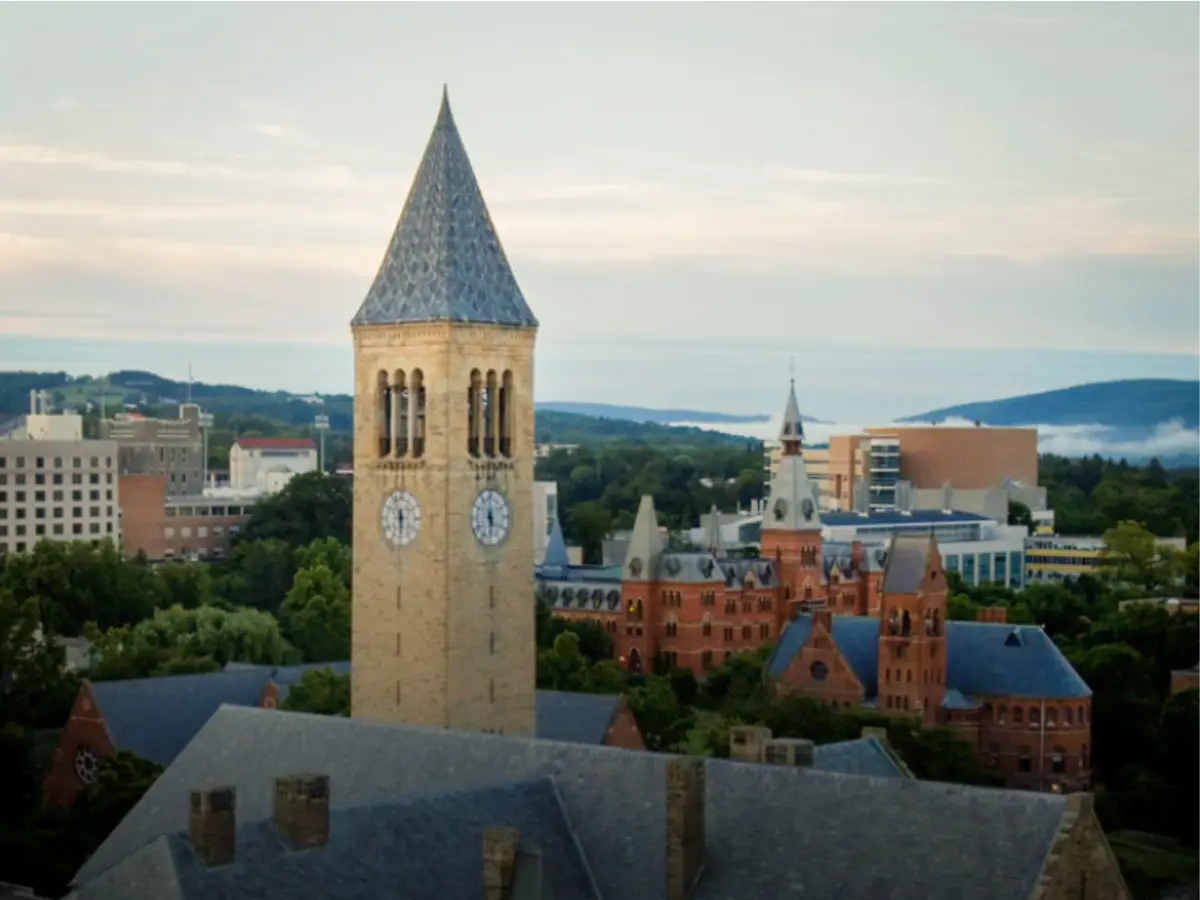
Former Cornell Student Sues University Over Alleged Fraternity Assault

New York Reopens Cornell Fraternity Gang-Rape Investigation Into Allegations
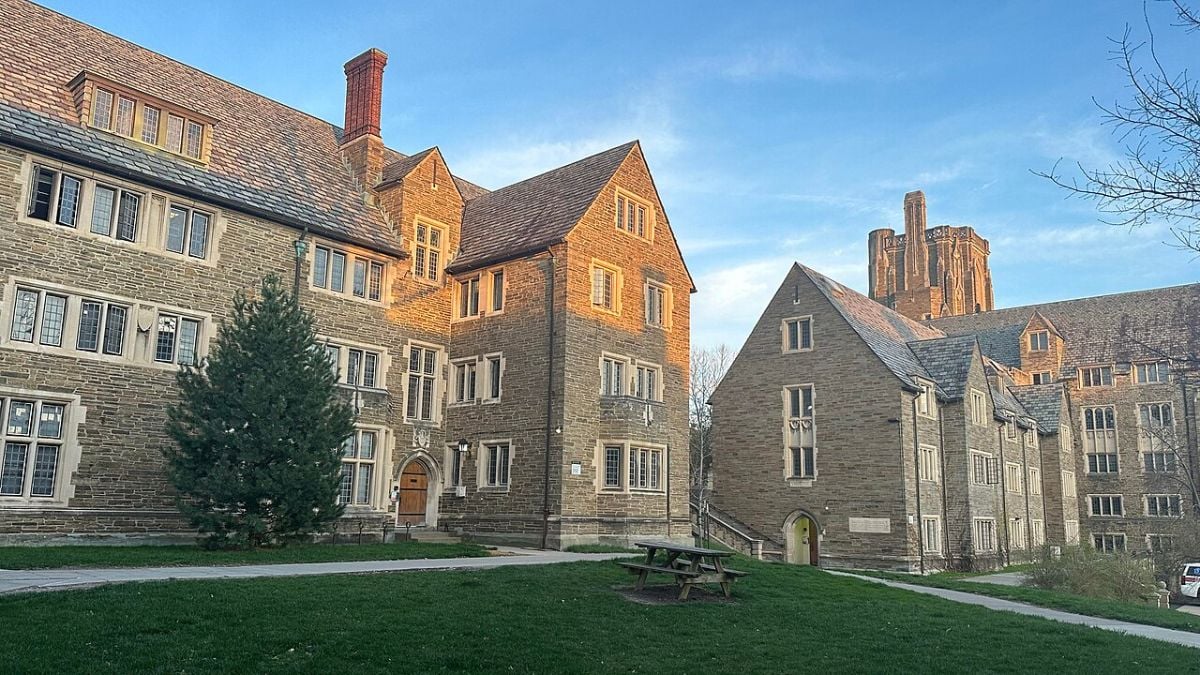
Cornell Case Renews Debate Over University Sexual Assault Responses

New York Reopens Investigation Into Cornell Fraternity Assault Allegations
Cornell Students Demand Accountability After Sexual Assault Allegations

Josh Gad Condemns Cornell Handling of Sexual Assault Case

Universities Turn to Campus Barriers as Suicide Prevention Debate Grows

Cornell President Calls for Rigorous Review of Rape Allegations
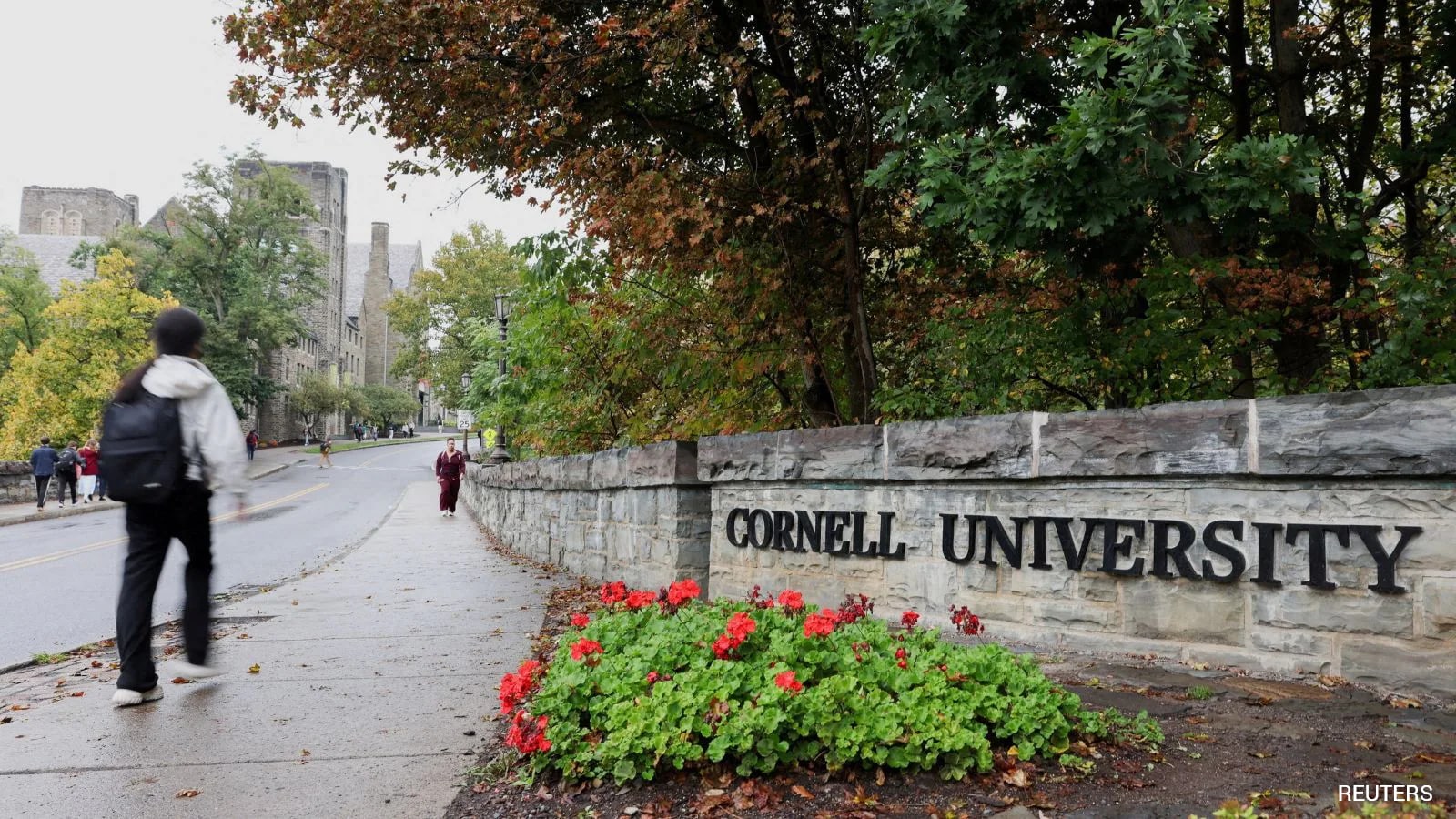
Women Declare #IamJaneDoe in Support of Cornell Accuser
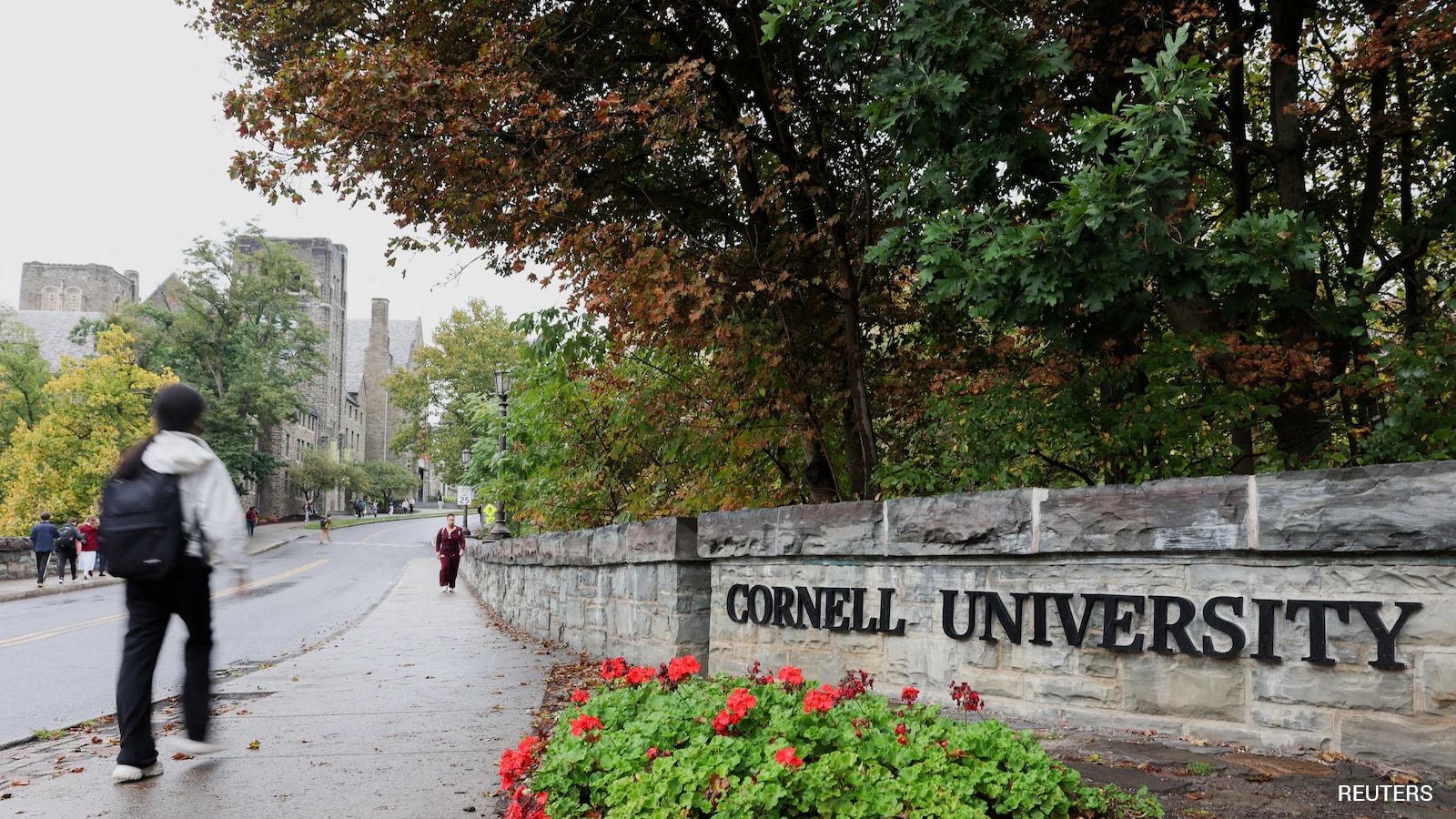
Cornell Records Detail Conflicting Accounts in Fraternity Assault Case
