1 month ago
Red-Painted Stones at Parsi Cemetery Raise Pet Burial Concerns
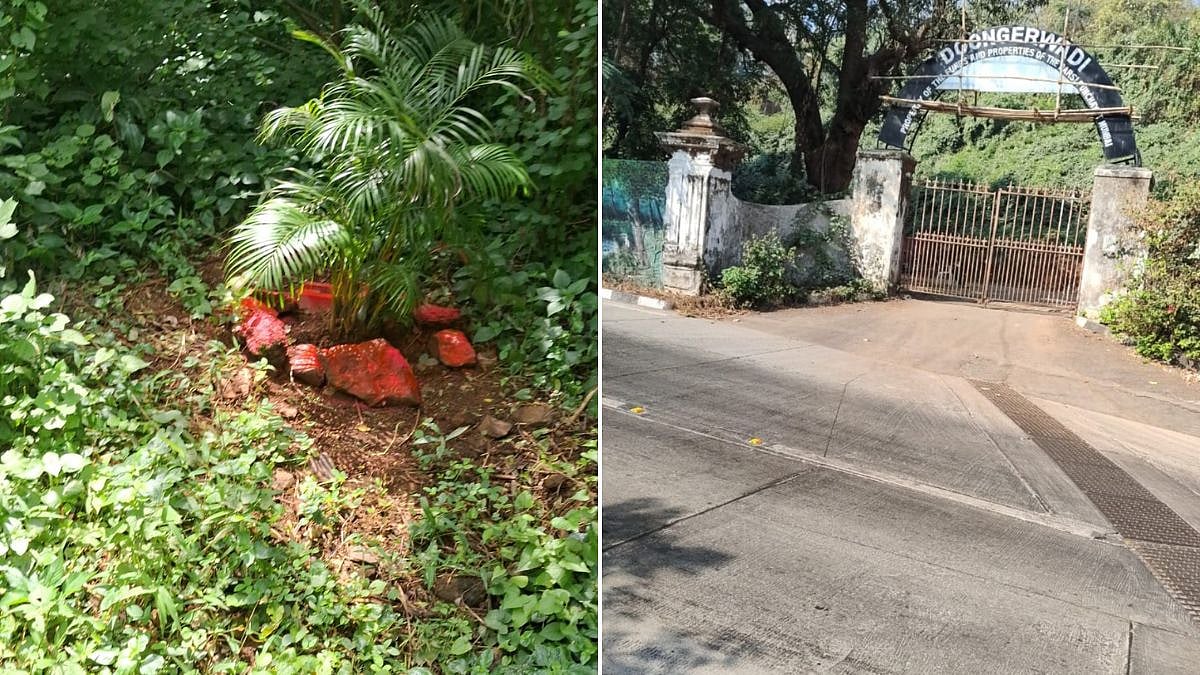
People found red-painted stones at a Parsi cemetery in Mumbai.
The stones marked the grave of a pet dog.
One resident worried that the burial might not be safe or hygienic.
A former cemetery worker said pet burials are allowed there.
A city veterinarian said there are no specific municipal rules for burying dead animals.
Mumbai now has animal crematoriums in several locations.
A Parsi trust representative said dogs have an important and respected place in Zoroastrian beliefs.
The main question is whether pet burials should have clearer safety rules.

Red-painted stones at Mumbai’s Doongerwadi cemetery were identified as markers for a buried pet dog.
A Godrej Baug resident questioned whether the animal was buried deeply enough and whether hygienic safeguards were followed.
A former cemetery employee said pet burials have been officially allowed at the cemetery.
Veterinarian Kalim Pasha Pathan said Mumbai currently has no specific municipal rules governing animal burials or remains disposal.
Bombay Parsi Punchayet trustee Adil Malia explained the Zoroastrian religious significance of dogs and the Sagdid ceremony.
- Who
- Residents of Godrej Baug, Doongerwadi cemetery officials, Brihanmumbai Municipal Corporation veterinarian Kalim Pasha Pathan, and Bombay Parsi Punchayet trustee Adil Malia.
- What
- Red-painted stones marking a pet dog’s grave prompted questions about animal-burial safeguards and the absence of specific municipal regulations.
- Where
- Doongerwadi, the Parsi Tower of Silence cemetery in Malabar Hill, Mumbai.
- When
- September 9, 2026; the resident noticed the stones recently, according to the report.
- Why
- Residents questioned the burial’s hygiene and depth, while officials noted that cemetery management decides whether such burials are allowed because specific municipal rules do not exist.
Resident and Public-Health Concerns
Cemetery Permission and Religious Context
Burial safeguards
Resident and Public-Health Concerns
A resident questioned whether the pet was buried at an adequate depth and whether hygienic precautions were taken.
Cemetery Permission and Religious Context
A former cemetery staff member said pet burials have been officially allowed, while the cemetery management determines whether to permit them.
Meaning of the red-painted stones
Resident and Public-Health Concerns
The red paint initially led a resident to suspect occult or black-magic activity.
Cemetery Permission and Religious Context
The stones were identified as markers for an animal grave; the report does not establish that the markings had any occult purpose.
Need for regulation
Resident and Public-Health Concerns
The lack of specific rules raises concerns about consistent standards for animal burials and disposal.
Cemetery Permission and Religious Context
Kalim Pasha Pathan said Mumbai has animal crematoriums, but no specific municipal rules currently require a particular method; cemetery management decides whether to allow burials.
Key facts
- Location
- Doongerwadi cemetery, Malabar Hill, Mumbai
- Grave
- A pet dog’s grave marked by red-painted stones
- Cemetery manager
- Bombay Parsi Punchayet
- Municipal rules
- No specific rules currently govern animal burial or disposal of remains
- Animal crematoriums
- BMC facilities are located at Mahalaxmi, Deonar and Malad
- Other facility
- The Society for the Prevention of Cruelty to Animals operates a pet crematorium at Parel
- Religious context
- Dogs are accorded special respect in Zoroastrian tradition, including through the Sagdid ceremony
Quotes
Dr Kalim Pasha Pathan
Veterinarian and general manager at the BMC’s Deonar abattoir
“There are no rules; it is up to the cemetery management to decide whether it wants to allow such burials.”
 freepressjournal.in
“Dogs also appear as guardians of the Chinvat Bridge, which the soul encounters after death.”
freepressjournal.in
Local resident
A resident of Godrej Baug who discovered the painted stones
“When I saw the red colour, I suspected black magic rites. I later found out that the stones were markers for an animal grave.”
freepressjournal.in
Sources
Related news

Mumbai Priest Leads Animal Blessing Tradition Possibly for Last Time
Bhiwandi Crematorium Families Face Shortages of Essential Facilities
MBMC’s ₹5,000 Stray-Dog Feeding Fine Faces Legal Review
Mumbai Ganeshotsav Pandals Put Animal Welfare At Center
Aaditya Thackeray Condemns Puppy Protest, Police Book Activists in Nashik

BMC Proposes ₹13.35-Crore Shelters for Stray Dogs

Bombay Parsi Trust Registers Colony Tenancies Despite Trustee Opposition
Parsi-Zoroastrian War Martyrs Honoured At Mumbai Cenotaph

Jiyo Parsi Scheme Facilitates 534 Births Amid Population Decline

Vulture Release Revives Calls To Restore Mumbai's Tower Of Silence