3 weeks ago
MSME Amendment Bill to Strengthen Regulatory Flexibility, Scalability: Industry

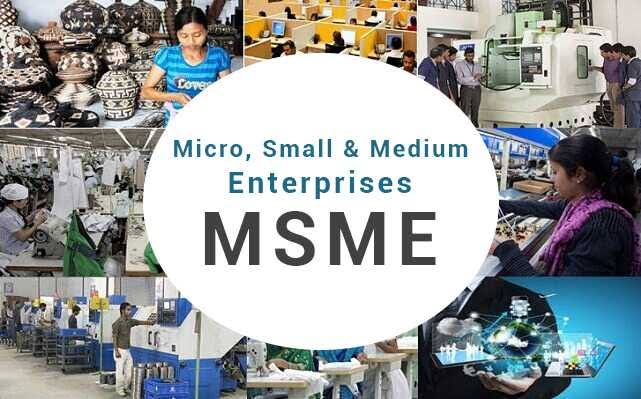
In India, there are many small and medium businesses, like tiny shops, workshops, and small companies.
The government made a new rule book, called the MSME Amendment Bill, to help these businesses.
This rule book was approved by India's Parliament.
It helps small businesses get paid faster when big government companies owe them money.
Big companies will now pay through a special system called TReDS, which makes payments quicker and safer.
If there is a disagreement about payment, it must be sorted out within 90 days.
If someone appeals and the case takes more than six months, the court must give the business at least half of the disputed money.
Industry leaders say this will help small businesses grow and create more jobs.
It is like making the game fairer for the smaller players.

Parliament passed the Micro, Small and Medium Enterprises Development (Amendment) Bill 2026, with the Lok Sabha clearing it on Friday and the Rajya Sabha on Monday.
Industry chamber PHDCCI said the Bill will strengthen the institutional framework, enhance regulatory flexibility and ease operational constraints for MSMEs.
The Bill gives statutory recognition to digital Udyam registration and a revised classification framework to provide a predictable basis for enterprises to scale.
It makes it mandatory for Central Public Sector Enterprises to settle all procurement invoices through TReDS to improve cash flows for MSMEs.
Mediation in disputes must be completed within 90 days, and courts must release at least 50 per cent of disputed awarded amounts if an appeal lingers past six months.
- Who
- Parliament of India, which passed the Bill, and industry chamber PHDCCI, whose President Rajeev Juneja welcomed it.
- What
- Parliament approved the Micro, Small and Medium Enterprises Development (Amendment) Bill 2026, which industry says improves regulatory flexibility and helps address payment delays.
- Where
- India; the industry statement was issued in New Delhi.
- When
- The Lok Sabha passed the Bill on Friday and the Rajya Sabha cleared it on Monday.
- Why
- To strengthen the MSME ecosystem, ease doing business, improve cash-flow predictability and enable MSMEs to scale and create employment.
Key facts
- Bill
- Micro, Small and Medium Enterprises Development (Amendment) Bill 2026
- Status
- Passed by Parliament (Lok Sabha and Rajya Sabha)
- Lok Sabha passage
- Friday
- Rajya Sabha passage
- Monday
- Key measure
- Mandatory settlement of CPSE procurement invoices through TReDS
- Mediation timeline
- Mediation must be completed within 90 days
- Appeal protection
- Courts to release at least 50% of disputed awarded amounts if appeal lingers past six months
- Industry reaction
- PHDCCI welcomed the Bill as strengthening regulatory flexibility and scalability
Quotes
PHDCCI representative
Industry body representing MSME interests
“The provision for mandatory routing of CPSEs’ invoices through TReDS will further ease the liquidity and all these measures will reduce working‑capital pressures, improve cash‑flow predictability and enable MSMEs to deploy more resources towards investment, employment and business expansion.”
 thehansindia.com
“The bill will strengthen the overall ecosystem for the speedier growth of Micro, Small and Medium Enterprise (MSME) sector in the country.”
thehansindia.com
Sources
Related news

MSME Amendment Bill Could Be an IBC Moment for MSMEs
New MSME Bill Targets India's Chronic Small-Business Payment Delays

Andhra Pradesh Assembly Passes Speed of Doing Business Bill

Tamil Nadu Bill Sets 21-Day Cap on Business Clearances
Lok Sabha passes Taxation and Other Laws Bill without debate

Delhi Cabinet Greenlights Ease of Doing Business Bill 2026

GHMC Reports Recovery of ₹6.92 Crore in Excess Payments
Maharashtra Cabinet Approves Rs 6,477 Crore Jayakwadi Phase-II Funding

Vijayawada Contractors End Strike After Agreement On Pending Bills