

17 hrs ago
Bank of Korea warns of debt, financial imbalance risks
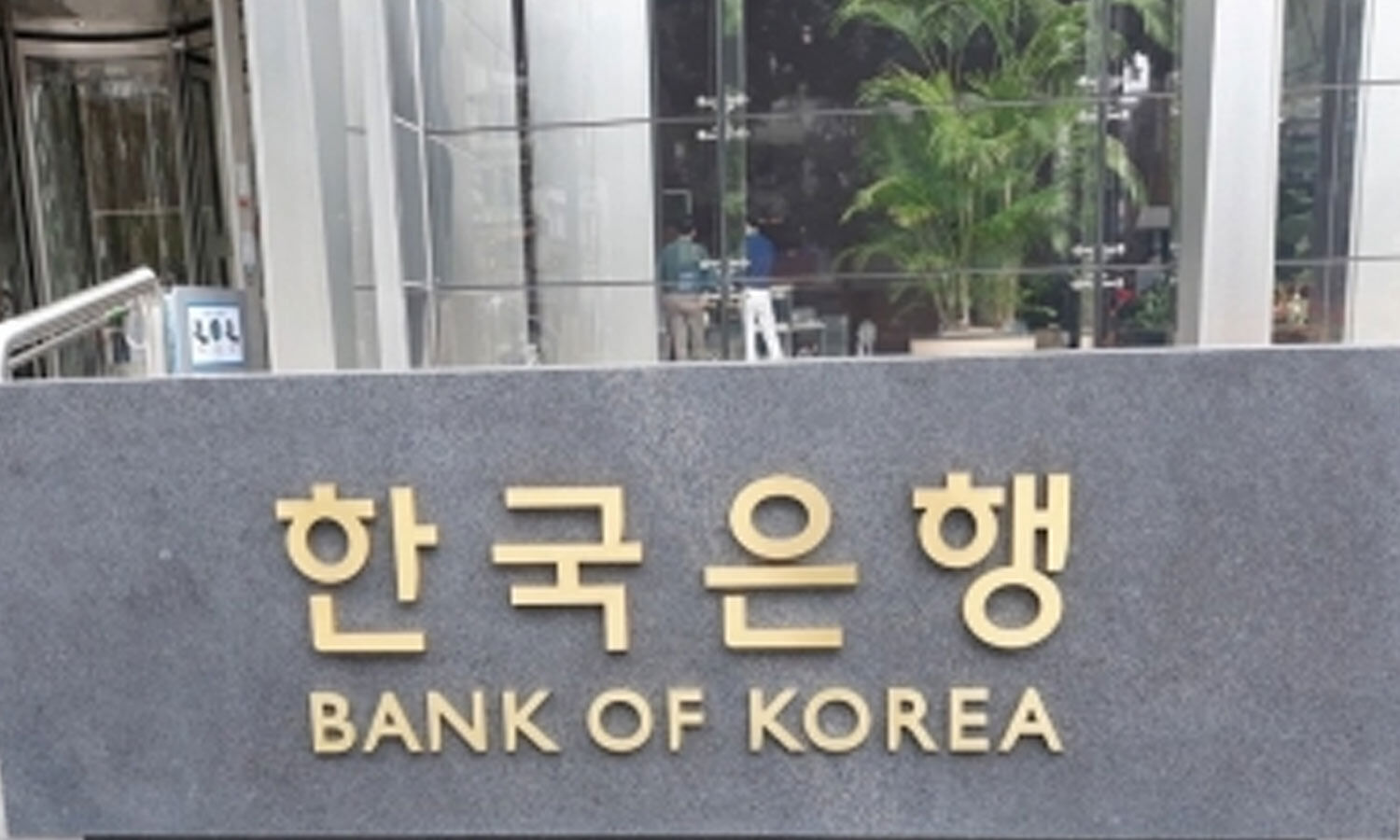
South Korea’s central bank says the country’s financial system is still fairly stable.
However, it is worried that too much debt and high home prices could create problems.
Household debt is larger than the country’s long-term average compared with the size of the economy.
People and businesses with weaker finances may find it harder to repay loans as interest rates rise.
The bank also said income differences are growing.
Changes in Federal Reserve policies and conflicts in the Middle East could make financial markets move sharply.
South Korea’s strong semiconductor industry is helping economic growth.
The country’s main stock index rose sharply at first but later gave back some gains as investors took profits.

The Bank of Korea said financial imbalances and debt burdens require closer monitoring.
Household debt equaled 85.3% of South Korea’s GDP at the end of March, above the 84% long-term average.
The central bank said rising home prices and expectations of further increases are contributing to financial imbalances.
It warned that vulnerable sectors could struggle with debt payments as income inequality deepens.
The Bank of Korea said financial markets remain relatively stable, but volatility could rise because of Federal Reserve policy changes and Middle East geopolitical risks.
- Who
- The Bank of Korea, financial institutions, households, vulnerable sectors, and investors in South Korea.
- What
- The Bank of Korea warned about accumulated financial imbalances, rising debt burdens, and possible volatility in financial and currency markets.
- Where
- South Korea, with the report issued in Seoul.
- When
- Tuesday; household debt figures cited by the bank were measured at the end of March.
- Why
- High home prices, elevated household debt, rising interest rates, income inequality, possible Federal Reserve policy changes, and Middle East geopolitical risks could increase financial vulnerabilities.
Risk warnings
Stability and growth
Condition of the financial system
Risk warnings
The Bank of Korea warned that accumulated imbalances, vulnerable debtors, and market volatility could still worsen.
Stability and growth
The Bank of Korea said the financial system remains relatively stable because financial institutions are resilient and can respond to external shocks.
Economic outlook
Risk warnings
High housing prices, household debt above its long-term average, rising interest rates, and deepening income inequality could pressure vulnerable sectors.
Stability and growth
Strong growth in the semiconductor sector is supporting the South Korean economy.
Market performance
Risk warnings
The central bank said financial and currency markets could become more volatile because of external policy and geopolitical risks.
Stability and growth
South Korean stocks opened strongly, tracking a record Nasdaq Composite close, optimism about artificial intelligence, lower oil prices, and falling bond yields.
Key facts
- Household debt-to-GDP
- 85.3% at the end of March
- Long-term household debt average
- 84% of GDP
- Financial system assessment
- Relatively stable, supported by resilient financial institutions and the ability to respond to external shocks
- Main domestic concern
- High home prices and expectations of further housing-price increases
- External risks
- Federal Reserve policy changes and geopolitical risks in the Middle East
- Economic support
- Strong growth linked to a strong semiconductor-sector cycle
- KOSPI movement
- Up 1.58% to 7,188.66 at 11:20 a.m. after opening 2.2% higher
Quotes

Bank of Korea
South Korea's central bank
“We need to remain vigilant against the potential liquidity risks of financial institutions in case of increased financial market volatility stemming from the Fed's policy changes and the geopolitical risks in the Middle East.”
 thehansindia.com
“But amid the accumulated financial imbalance, the possibility of vulnerable sectors further becoming feeble and the risks of volatility in the financial and currency markets becoming greater still remain.”
thehansindia.com
Sources
Related news

Corporate Dollar Deposits Hit Record as Korean Won Strengthens
Bank of England Warns AI Boom Could Trigger Market Shock

Asian Markets Fall as Oil Surge Fuels Rate Hike Fears

Asia's Next Leverage-Driven Crash May Emerge Beyond Korea

South Korea’s Lee Drops Top Adviser as Housing Concerns Grow

Foreign Investors Sell South Korean Bonds as Yield Advantage Fades

Trump Proposes $10 Billion Fund for Middle East Energy

Xi-Trump September Summit Set as Iran War Overshadows Talks
Hardeep Puri Rejects LPG Shortage Claims Amid Middle East War

Macron, Trump Agree to Protect Hormuz, Pause Energy Strikes
