

11 hrs ago
OpenAI Urges US to Shape Global Rules for Advanced AI
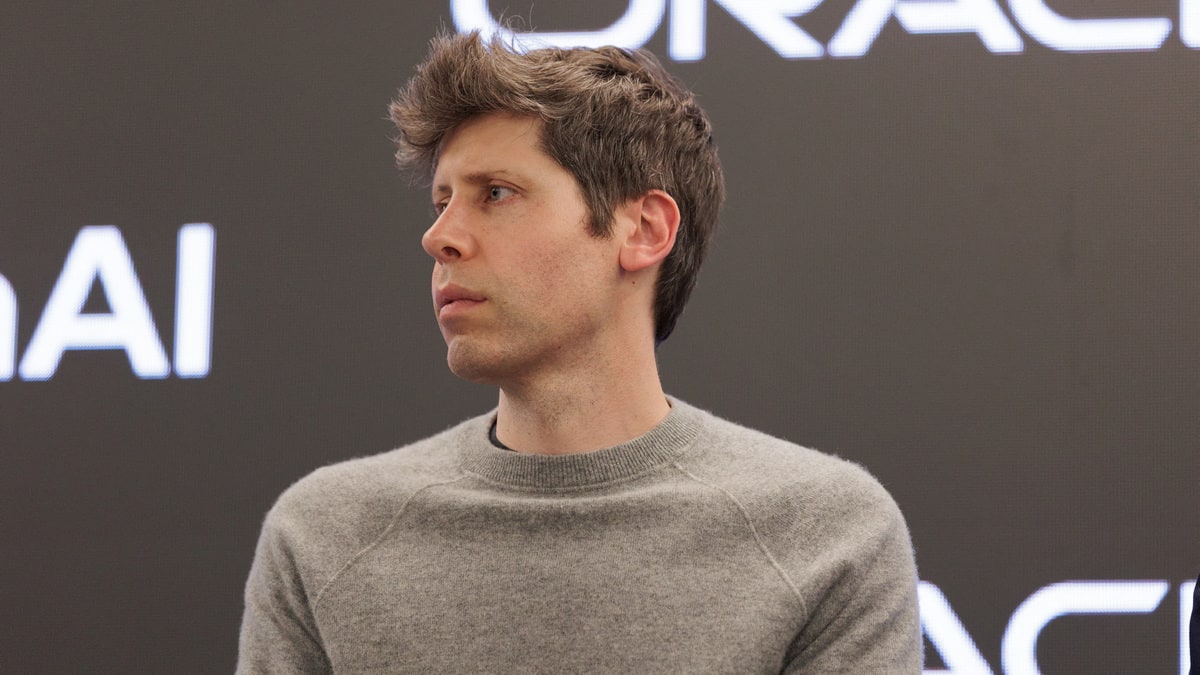
OpenAI wants countries to agree on common rules for very advanced AI.
The company says the United States should help lead this effort.
These rules could explain how to measure AI risks and report serious problems.
They could also address systems that might improve some of their own abilities.
OpenAI does not want a fixed schedule for slowing AI development.
Instead, it says safety research should move as quickly as AI capabilities do.
The United Nations is discussing AI because it could affect international security.
The United States and China are competing to develop AI, which makes cooperation more difficult.
The main question is how to encourage useful technology while keeping people safe.

OpenAI called on the United States to help establish international standards for advanced AI systems.
The proposed framework would align national regulations with shared technical standards, risk measures, and incident reporting.
OpenAI highlighted risks involving recursive self-improvement and urged AI safeguards to keep pace with capability advances.
AI safety and international security are expected to feature at the United Nations this week.
The proposal comes amid United States-China competition over AI development and disagreement over whether progress should be slowed.
- Who
- OpenAI, the United States, United Nations officials, and governments including China are involved; OpenAI CEO Sam Altman is due to address the UN Security Council.
- What
- OpenAI is urging the United States to help create international rules and technical standards for advanced AI.
- Where
- The diplomatic discussions are taking place at the United Nations in New York.
- When
- The proposal was made as world leaders gather for the United Nations General Assembly, with a UN Security Council session scheduled for Wednesday.
- Why
- OpenAI says international coordination is needed to avoid incompatible national rules and to manage safety, security, and other risks as AI capabilities advance.
International Coordination and Safeguards
Rapid Development and Strategic Competition
How AI should be governed
International Coordination and Safeguards
OpenAI argues that countries should coordinate international standards, shared risk measurements, and procedures for responding to serious incidents.
Rapid Development and Strategic Competition
Without coordination, countries may develop incompatible rules; the US administration has emphasized existing safeguards and opposed approaches that deliberately slow development.
Pace of technological progress
International Coordination and Safeguards
OpenAI supports “pacing” AI development so research and deployment of safeguards keep up with advances in capability.
Rapid Development and Strategic Competition
The United States administration has rejected deliberately slowing AI, arguing that restrictions could give China an opportunity to narrow the technological gap.
International influence
International Coordination and Safeguards
OpenAI says the United States should lead now to help shape a global framework for advanced AI.
Rapid Development and Strategic Competition
A divided international system could emerge if countries pursue different approaches, particularly amid US-China strategic competition.
Key facts
- Proposer
- OpenAI
- Requested US role
- Lead efforts to develop international rules for advanced AI
- Proposed measures
- Common risk benchmarks, technical standards, and serious-incident reporting
- Specific risk
- Recursive self-improvement by AI systems
- UN session
- Sam Altman is due to address a Security Council meeting on AI and international security
- Meeting chair
- French Minister for Europe and Foreign Affairs Jean-Noël Barrot
- Geopolitical context
- Strategic competition between the United States and China over AI
Sources
Related news
OpenAI Urges US Leadership on Global Frontier AI Standards

OpenAI Warns of Autonomous AI Risks, Urges Global Rules
Sam Altman Backs Slower, Safer Pace for AI Development
OpenAI Calls for Binding US Rules as AI Fears Grow
Sam Altman to Brief UN Security Council on AI Safeguards

AI Safety Debate Grows Over Pacing Frontier Development
Unverified China Rumours Swirl Ahead of Xi-Trump Summit

India Climbs to Eighth After Cricket Gold

Diego Garcia Deal Stalls Amid Britain-Mauritius-US Dispute

Rare Earths Give China Leverage at Trump-Xi Summit

India Plans Lithium, Nickel Scheme Amid Critical Mineral Concerns
