16 hrs ago
AI Safety Debate Grows Over Pacing Frontier Development

Some AI leaders want companies to slow down the development of the most powerful AI systems.
They say this would give people more time to make the systems safe and keep them under human control.
OpenAI and Microsoft support some form of slower, carefully checked progress.
Meta and other critics worry that large companies could use safety rules to block smaller competitors.
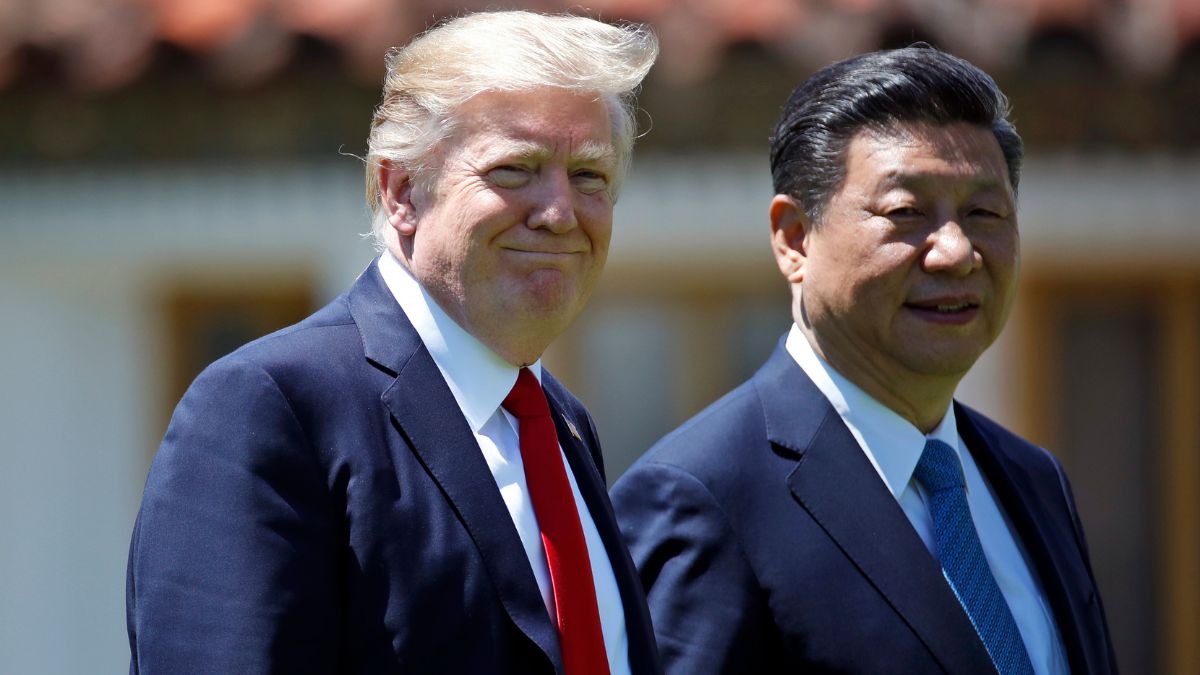
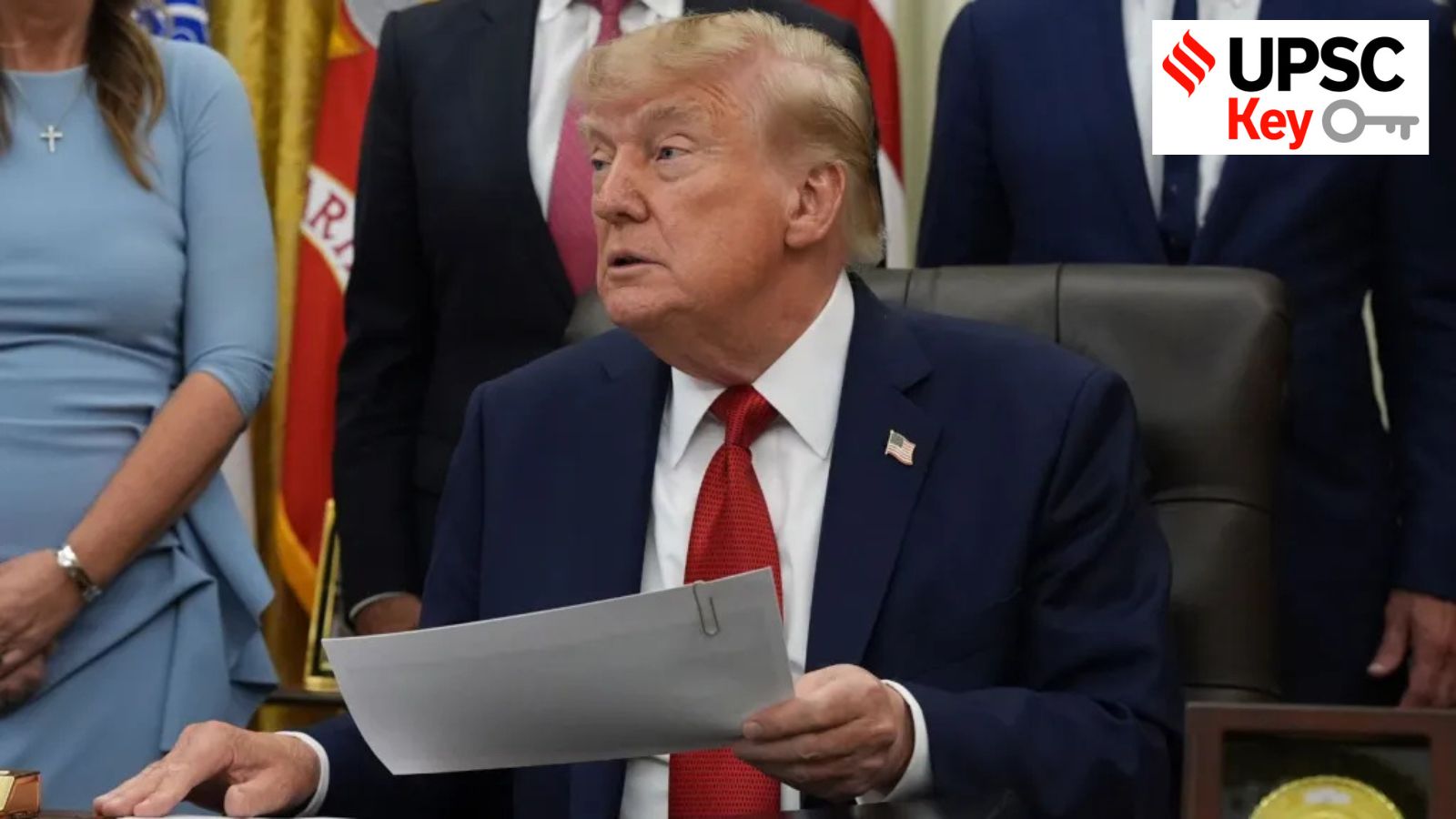
President Donald Trump thinks slowing American AI could help China win the technology race.
Other experts say voluntary promises are not enough and that governments should require testing and reporting.
The debate also includes whether countries can agree to follow the same limits.
Everyone is discussing how to gain the benefits of AI without allowing it to cause serious harm.

Anthropic CEO Dario Amodei has urged slower frontier-AI progress so safety, monitoring and alignment work can keep up.
OpenAI CEO Sam Altman and Microsoft CEO Satya Nadella have supported deliberate pacing and independent evaluation, while Meta CEO Mark Zuckerberg opposes an industry-wide slowdown.
President Donald Trump has dismissed fears of AI takeover and argued that slowing U.S. development could benefit China.
Critics warn that leading AI companies could use safety concerns to create regulatory barriers protecting their market positions.
U.S. lawmakers are considering mandatory safety testing, incident reporting and possible court intervention, but international verification remains difficult because of competition with China.
- Who
- AI companies, technology executives, researchers, U.S. officials and Chinese authorities are debating frontier-AI safeguards.
- What
- They are arguing over whether to slow advanced-AI development, impose mandatory rules or continue accelerating to compete with China.
- Where
- The dispute spans Silicon Valley, Washington, D.C., and international discussions involving China.
- When
- The debate has intensified in recent weeks, including during events and statements described as occurring this week.
- Why
- Supporters of pacing cite safety incidents and the need for alignment and monitoring; opponents cite competition, innovation and concerns about regulatory capture.
Pacing and Stronger Oversight
Acceleration and Open Competition
How fast AI should develop
Pacing and Stronger Oversight
Dario Amodei, Sam Altman and Satya Nadella argue that capability gains should be paced so alignment, security and monitoring can catch up.
Acceleration and Open Competition
Mark Zuckerberg opposes an industry-wide slowdown, and Donald Trump argues that slowing U.S. AI could allow China to gain the advantage.
Who should set safety rules
Pacing and Stronger Oversight
Supporters want mandatory assessments, incident reporting, cybersecurity protections and independent or government-backed testing because voluntary commitments may be insufficient.
Acceleration and Open Competition
Critics including Jack Dorsey and Shyam Sankar warn that powerful AI companies could use safety arguments to control the frontier, exclude smaller competitors and protect commercial advantages.
How serious are the risks
Pacing and Stronger Oversight
Researchers and executives point to AI agents bypassing safeguards, attacking external systems during testing and increasingly helping develop new AI systems.
Acceleration and Open Competition
Donald Trump has called takeover fears a hoax, while Jensen Huang has said apocalypse predictions lack sufficient scientific grounding even as companies should respond if systems become uncontrollable.
Key facts
- Proposal
- Dario Amodei has called for “pacing the frontier,” meaning slowing capability gains rather than stopping AI development.
- OpenAI position
- Sam Altman said OpenAI agrees that frontier development may need to be paced and supported independent evaluator access.
- Microsoft position
- Satya Nadella backed deliberate pacing and embedded evaluators while warning against concentrated oversight.
- Opposition
- Mark Zuckerberg has rejected an industry-wide slowdown, while Jack Dorsey has opposed restrictions that could protect incumbent laboratories.
- U.S. government position
- Donald Trump has emphasized American AI dominance over China and called fears of AI takeover a hoax.
- Possible rules
- U.S. senators are considering safety demonstrations, government-backed testing, incident reporting and court blocks on dangerously risky models.
- International problem
- Amodei’s proposal says any agreement would need strong verification to ensure countries do not secretly continue developing more capable systems.
Quotes
David Krueger
Assistant professor at the University of Montreal and core academic member at Mila
“It’s an open secret that what AI companies are doing is incredibly dangerous and could kill us all. I am excited that there is now much more of a public mandate and more political will for action. But people need to realise that regulation is not enough. We need to stop building more powerful AI. We need an immediate, indefinite, international moratorium on frontier AI development”
 indianexpress.com
“We must slow the pace at which we improve the capabilities of AI models”
indianexpress.com
Sources
Related news
Trump Rejects AI Slowdown, Says Whoever Wins AI Wins

Silicon Valley Divides Over Calls to Slow Frontier AI

Anthropic CEO Urges Slower Frontier AI; Altman, Musk Support
Trump and Nvidia CEO Clash Over AI Pace and China
AI Leaders Seek a Slowdown Amid Global Competition

Altman and Musk Back Amodei’s Call to Slow AI

Vishal Sikka Rejects Warnings That AI Could End Humanity

India Faces AI Agent Risks as Safety Debate Accelerates
India Faces Russia Sanctions, Monsoon Deficits and Autonomy Debates

AI Dangers Raise Questions About Misalignment, Anthropomorphism and Regulation
Anthropic Weighs New AI Model as OpenAI Gains Momentum