2 hrs ago
UPSC Key Tracks Election Panel, Drought, Energy and Strikes
The Election Commission changed some procedures for checking voter lists.
People whose records were marked with certain problems may not have to attend hearings in person.
Maharashtra declared drought in many areas because the state received less rain than usual.
The government will survey farms before deciding financial help for farmers.
Two seabed mineral areas near Great Nicobar Island were offered for exploration.
The Centre also asked large captive coal plants to generate as much electricity as possible because power demand is high.
Bank unions planned a three-day strike over working days and incentive rules.
Digital banking and ATMs were expected to continue, although some branch services could be disrupted.
India also raised concerns about terrorism at the United Nations, while India-China and United States-China economic developments were reported.

The Election Commission exempted voters flagged as “unmapped” or having “logical discrepancies” from mandatory in-person hearings during the Special Intensive Revision.
Maharashtra declared drought in 265 of 358 tehsils after recording an 18% monsoon rainfall deficit, with Marathwada and Vidarbha worst affected.
The Mines Ministry notified two offshore mineral blocks near Great Nicobar Island covering 1,632 square kilometres for polymetallic nodules and crusts.
The Centre directed 112 coal-based captive power plants to operate at maximum capacity from October 1 to December 31 under Section 11 of the Electricity Act.
Bank unions called a three-day nationwide strike from September 28 to 30 over five-day banking, performance-linked incentives and other pending issues.
- Who
- The Election Commission, Maharashtra’s government, the Ministry of Mines, the Centre, captive power plants and the United Forum of Bank Unions are the main Indian actors; S. Jaishankar, Shehbaz Sharif, Xi Jinping and Donald Trump feature in the international items.
- What
- The roundup covers Election Commission decisions, a Maharashtra drought declaration, offshore mineral blocks, emergency power-generation directions, a proposed bank strike and other national and international developments.
- Where
- The main developments concern India, including Maharashtra, Great Nicobar Island and national banking and power systems; diplomatic developments involved the United Nations, Pakistan, China and the United States.
- When
- The Election Commission meeting took place on Saturday; the power directions apply from October 1 to December 31; the bank strike was called for September 28-30, with an indefinite strike threatened from October 26.
- Why
- The measures and disputes relate to electoral-roll administration, deficient rainfall, mineral exploration, rising electricity demand, unresolved banking demands, terrorism-related diplomacy and international trade relations.
Concerns and demands
Government and institutional responses
Election-roll procedures
Concerns and demands
The two Election Commissioners had objected that the added declaration in online Form 6 was illegal or unauthorised and had raised concerns about centralisation of the ECINet portal.
Government and institutional responses
The full Commission said Form 6 would revert to its original statutory format, exempted many flagged voters from in-person hearings and created a committee to review ECINet’s legal compliance.
Offshore mining
Concerns and demands
Critics have raised concerns about marine biodiversity, coral reefs, turtle nesting sites, tribal lands and fishing-community livelihoods, including in Kerala and around Great Nicobar.
Government and institutional responses
The government says the Offshore Areas Mineral (Development and Regulation) Act, 2002, provides safeguards and that production will require approved plans and environmental management measures.
Banking work arrangements
Concerns and demands
Bank unions want all Saturdays to be holidays, changes to the performance-linked incentive scheme and bilateral discussions on the scheme; they threatened further industrial action.
Government and institutional responses
The government and bank management asked unions to defer the strike, said the five-day week proposal remained under consideration and began contingency planning to maintain essential services.
Key facts
- Election Commission meeting
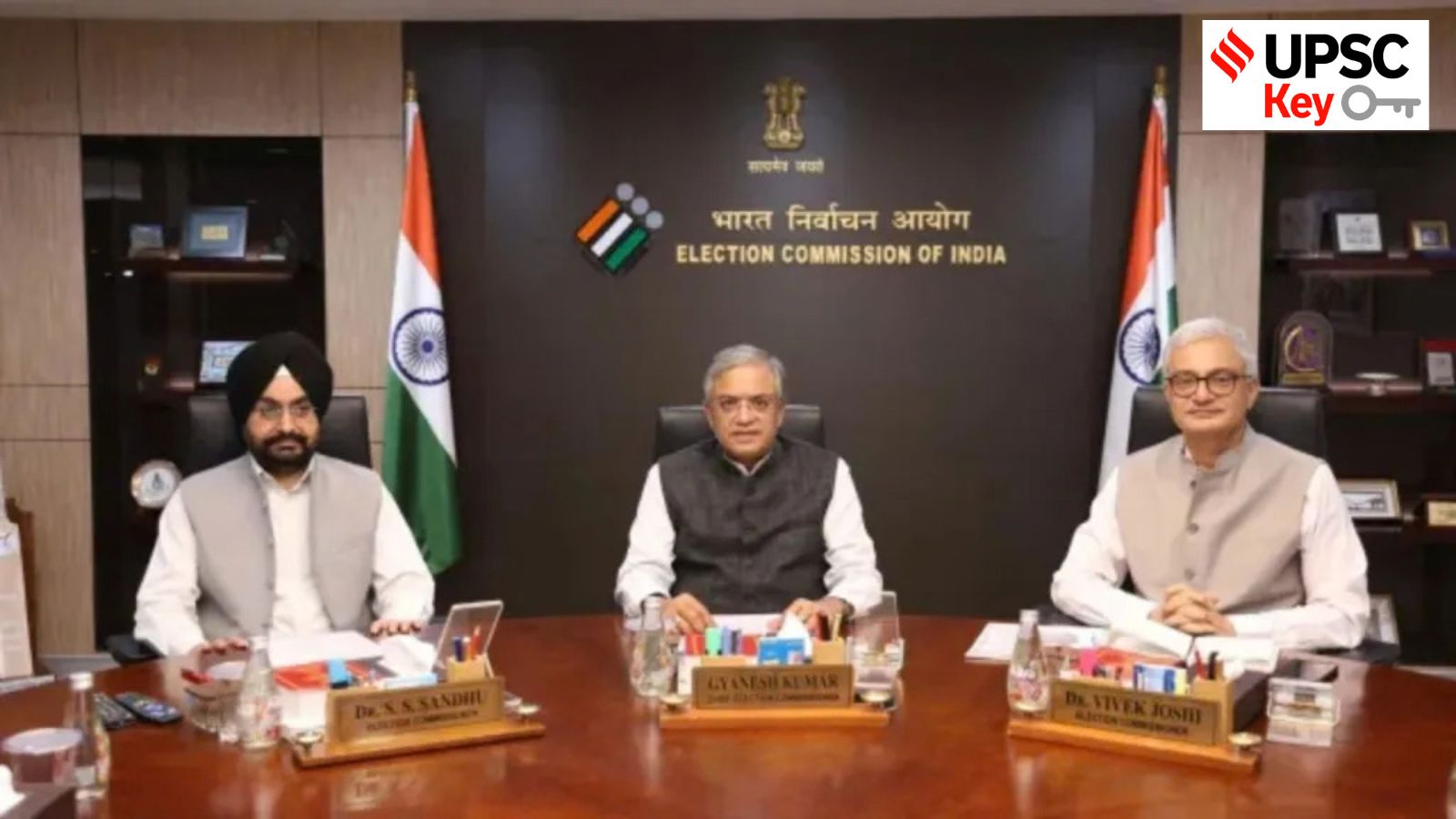
- Chief Election Commissioner Gyanesh Kumar and Election Commissioners Sukhbir Singh Sandhu and Vivek Joshi met on Saturday.
- Special Intensive Revision
- Voters issued notices for being “unmapped” or having “logical discrepancies” generally will not need in-person hearings; Booth-Level Officers may collect documents at their homes.
- Maharashtra rainfall
- The state received 798.2 mm of rainfall against a normal 970.9 mm from June 1 to September 26, an 18% deficit.
- Drought declaration
- Drought was declared in 265 of Maharashtra’s 358 tehsils under the Drought Management Code, 2016.
- Offshore mineral blocks
- Two blocks near Great Nicobar Island cover 1,000 and 632 square kilometres and contain polymetallic nodules and crusts.
- Power directive
- Coal-based captive plants with capacity of 50 megawatts or more were directed to generate power to the maximum extent of available capacity.
- Bank strike
- The United Forum of Bank Unions, representing about 90% of the banking workforce according to the unions, called a strike from September 28 to 30.
- Investment sanctions
- Banks and financial institutions sanctioned projects worth about Rs 4.4 lakh crore in 2025-26, up from Rs 3.7 lakh crore in 2024-25.
Quotes

Election Commission of India
India’s constitutional body responsible for supervising electoral rolls and elections
“In case of any person to whom notice has been issued during the ongoing SIR, for being unmapped and logical discrepancies, BLOs will visit the homes of such persons for collection of documents and thereafter upload them on the ECINet, for decision by the ERO.”
 indianexpress.com
Sources
Related news
India Faces Russia Sanctions, Monsoon Deficits and Autonomy Debates
UPSC Key Covers SCO, Electoral Rolls, Economy, Defence and Climate
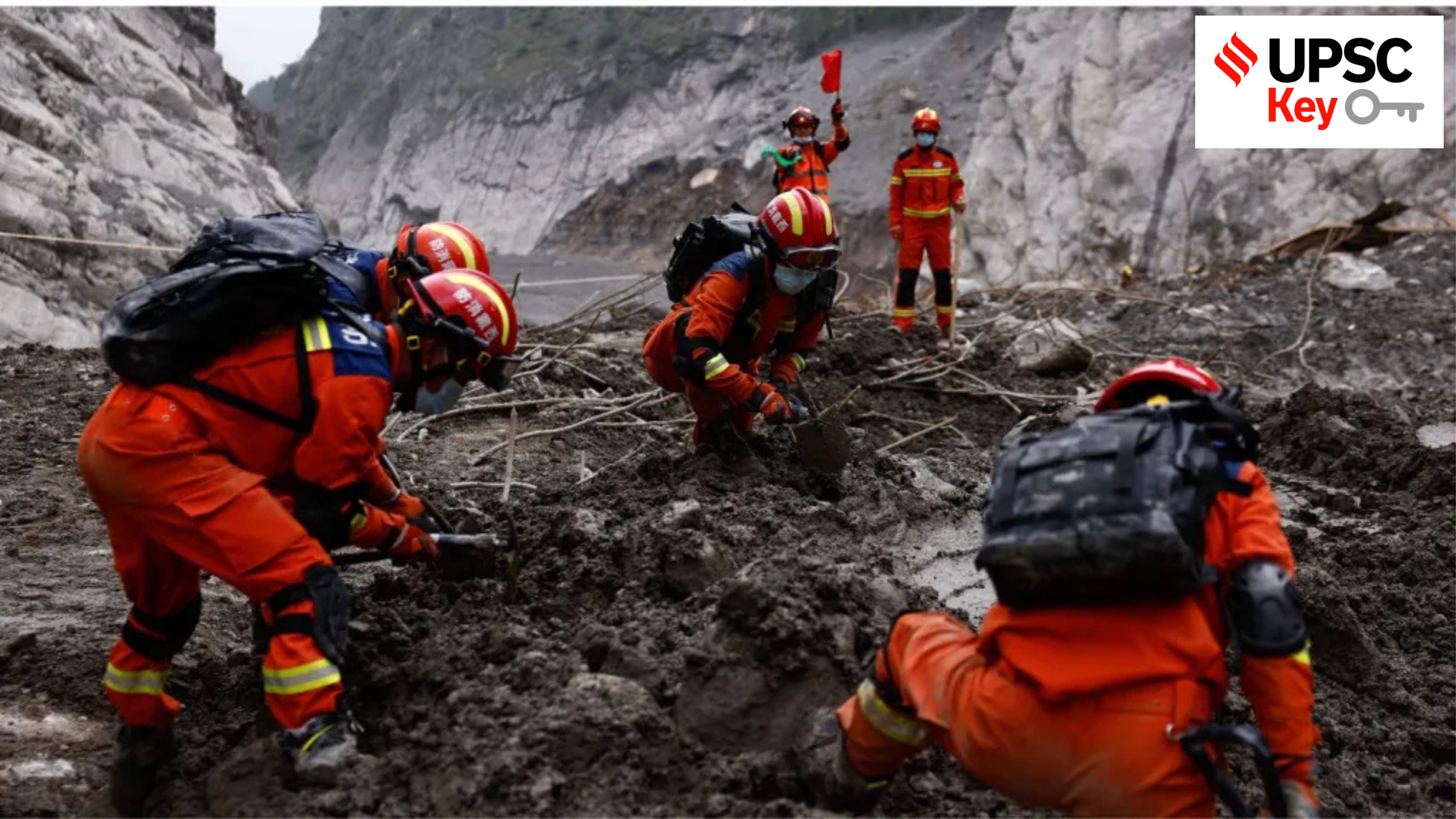
UPSC Key: Conflicts, Devolution, Social Security and Himalayan Hazards
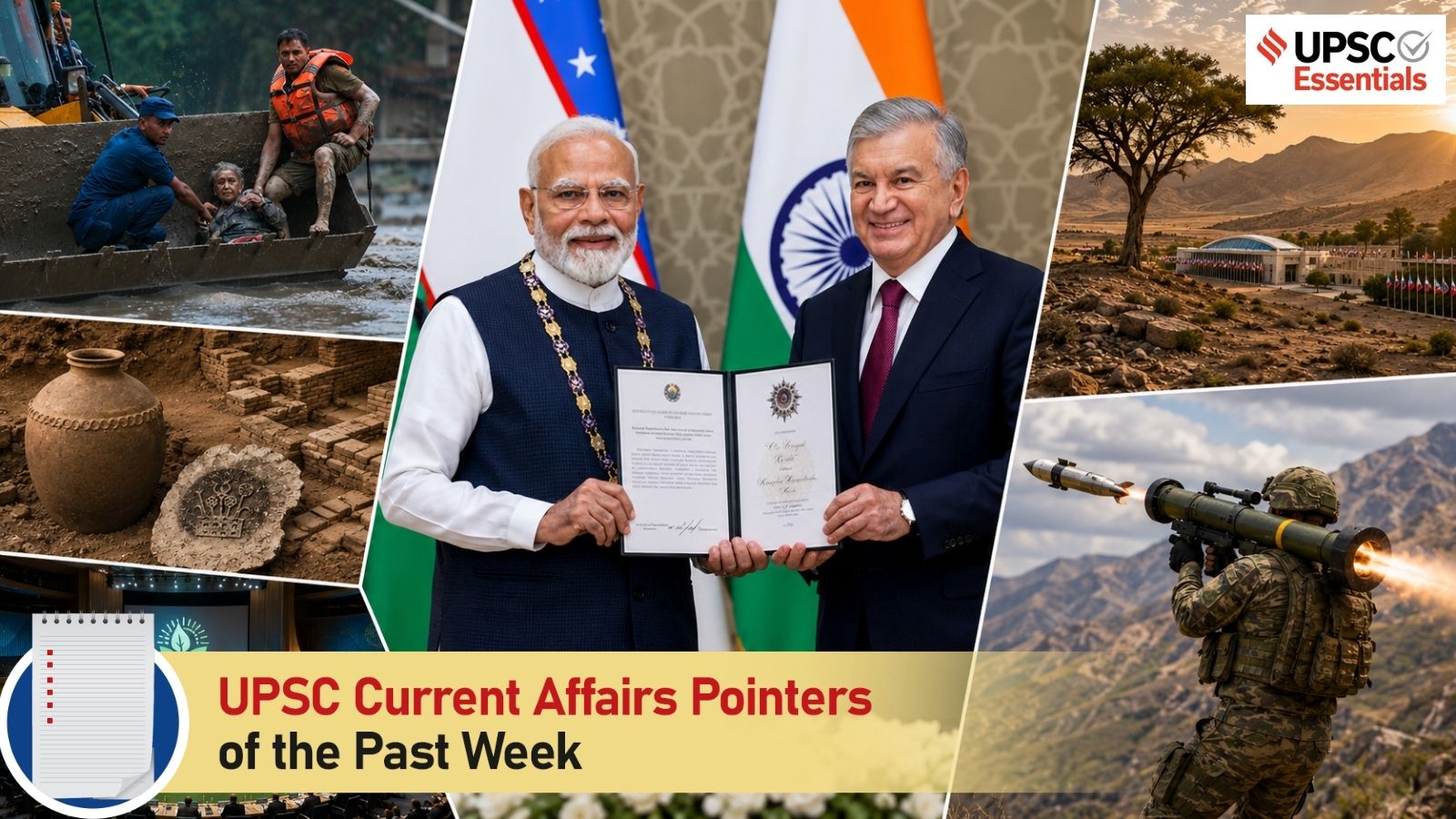
UPSC Weekly Current Affairs: Environment, Diplomacy, Defence and Economy
UPSC Key Covers UPI, Inflation, Science, UCC and Hindi
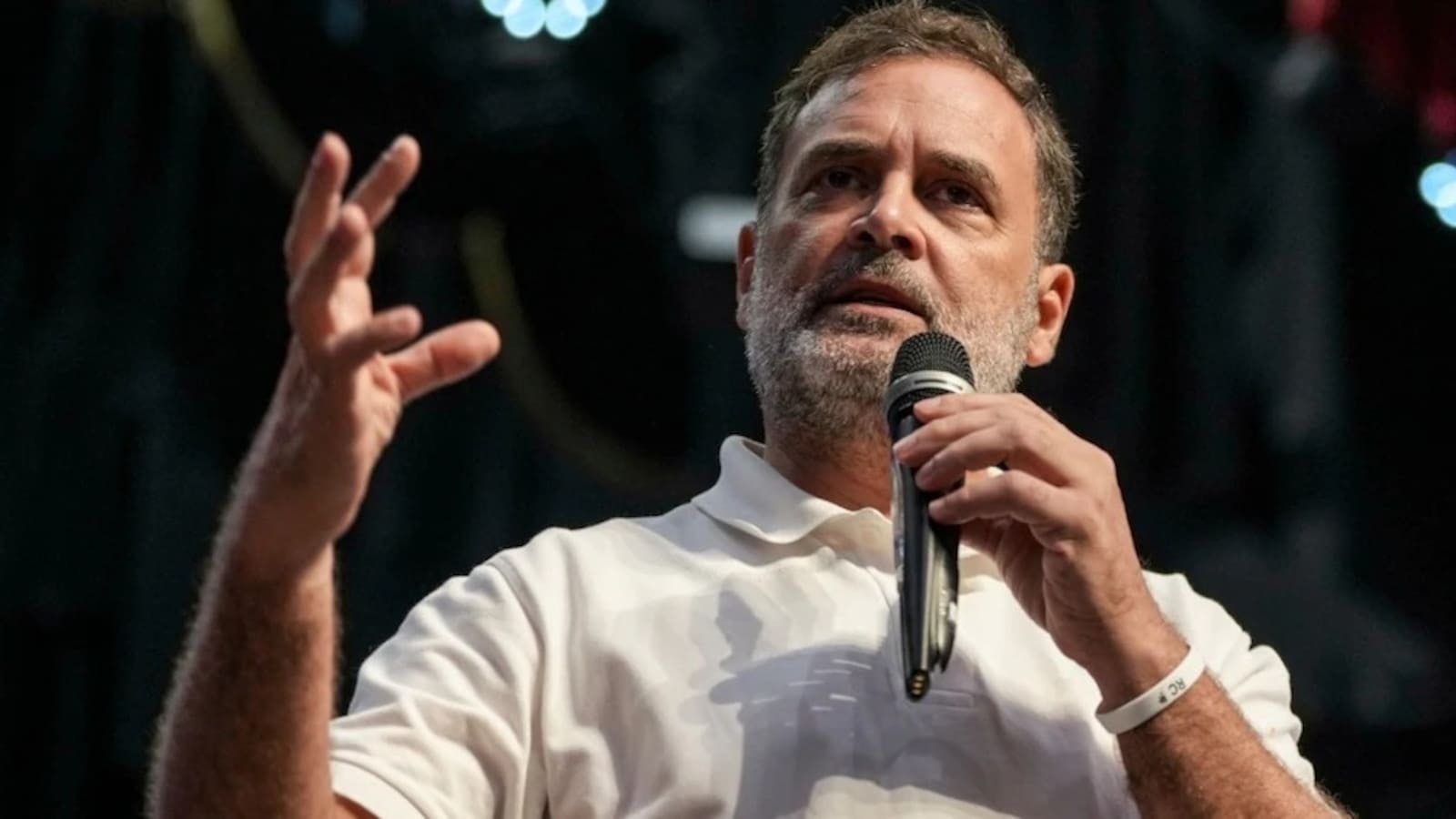
BJP Chief Ministers Rally Behind Election Chief Against Gandhi

Wangchuk backs electoral accountability, may skip October 2 protest

Maharashtra Congress Tells Fadnavis to Resign Over ECI Defense
Mumbai Police Denies CJP October 2 Protest Permission
Former Kerala Chief Secretary Alleges CEC Sought BJP Candidate