

1 hr ago
India’s Whisky, Rum and Vodka Labels Face Regulatory Scrutiny
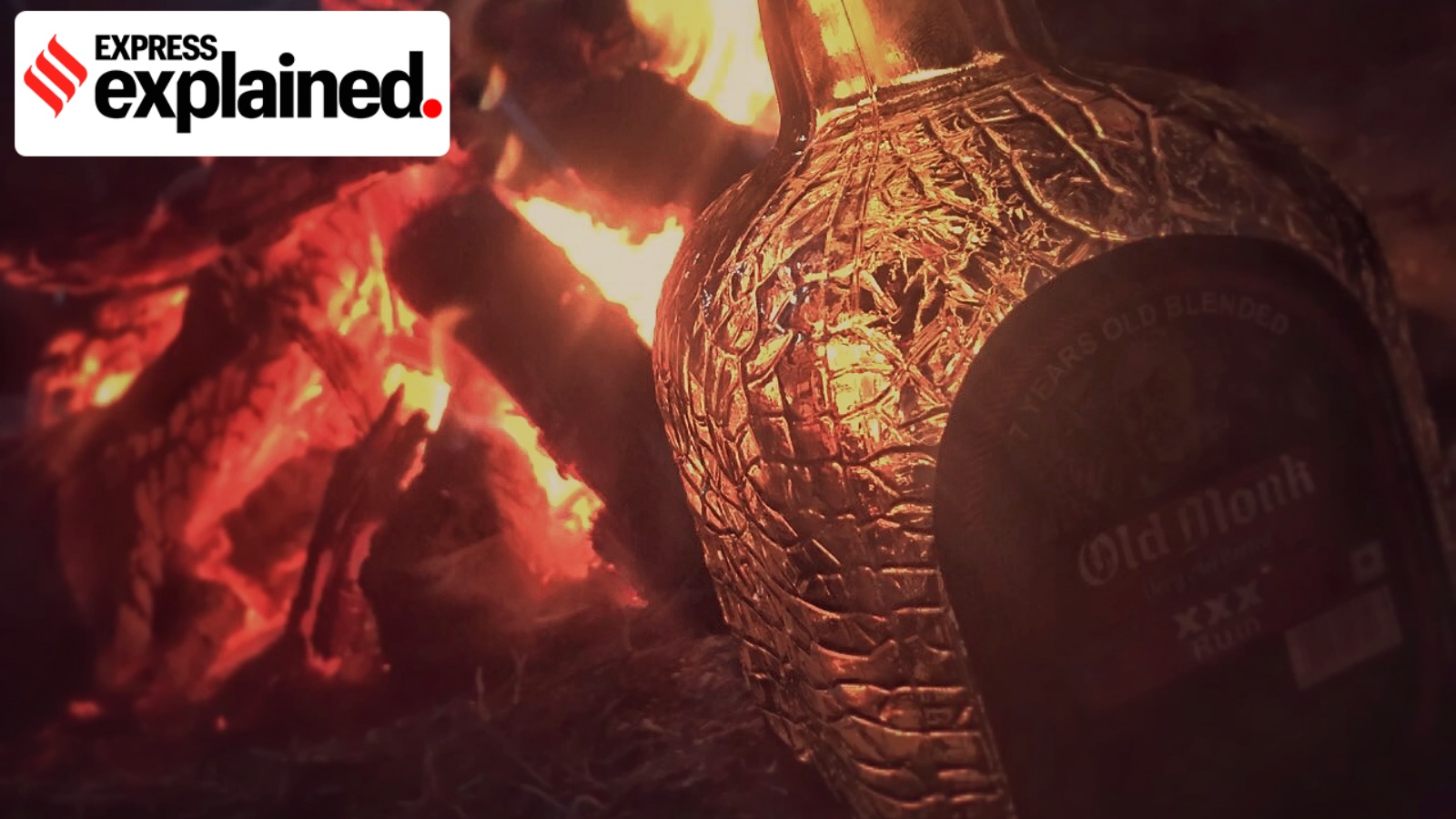
Whisky and rum are supposed to be made from different ingredients.
Whisky usually comes from fermented grains, while rum comes from sugarcane products.
Vodka is distilled many times until it becomes mostly neutral in taste and smell.
In India, many popular drinks begin with a very pure alcohol called extra neutral alcohol.
Companies can add flavours and colours to make that alcohol resemble whisky or rum.
Indian rules allow some neutral spirit in these drinks, but the drink must still have the right taste and aroma.
The food regulator says artificial flavours should not pretend to be the natural character of aged liquor.
Tests found that Old Monk’s seven-year claim was misleading because most of the drink was unaged neutral alcohol.
The dispute is now being considered in connection with the Bombay High Court case.

The Food Safety and Standards Authority of India told the Bombay High Court that Old Monk could not legally be sold as rum because artificial flavours were added to neutral spirit.
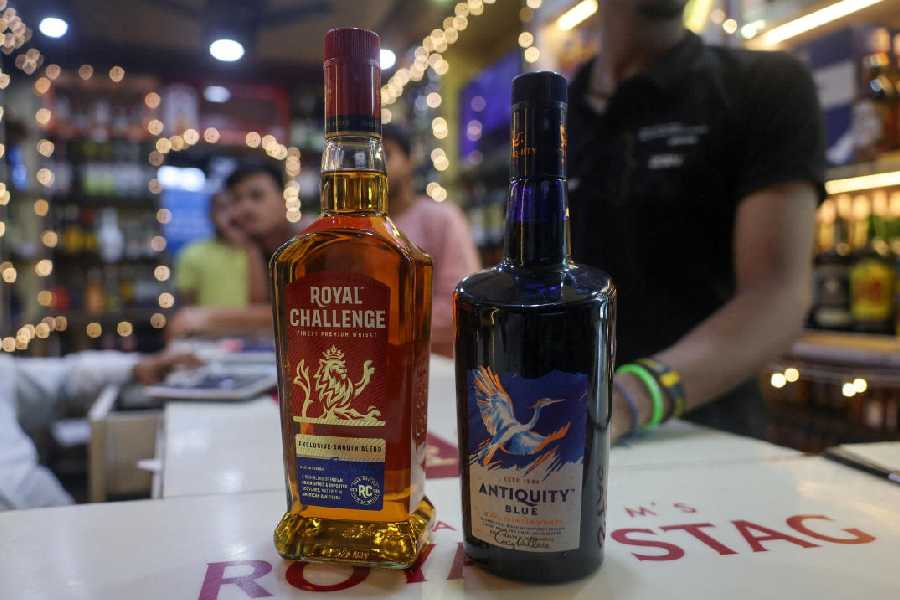
Gold Reserve and McDowell’s No.1 are also being examined over flavouring and maturity claims.
Traditional whisky uses fermented grains and oak maturation, while rum is made from sugarcane products and develops its characteristic flavour naturally.
Indian mass-market foreign liquor often uses extra neutral alcohol, a highly purified spirit derived mainly from fermented molasses.
Laboratory testing found more than 95% of Old Monk XXX Matured Rum was unaged neutral alcohol, with matured rum making up less than 5%.
- Who
- The Food Safety and Standards Authority of India, alcoholic-beverage manufacturers, and brands including Old Monk, Gold Reserve, and McDowell’s No.1.
- What
- The legality of using artificial flavours and neutral spirit in products labelled as rum or whisky, including age and maturation claims.
- Where
- India, in proceedings before the Bombay High Court.
- When
- The regulator’s statement was reported on Thursday; the Ministry of Health and Family Welfare issued a clarification on August 2.
- Why
- The FSSAI says artificial flavours can mask the natural characteristics of spirits and that age claims must reflect the youngest spirit in a blend.
Regulatory Objections
Permitted Indian Formulations
Use of neutral spirit
Regulatory Objections
The FSSAI objected to artificial flavours being used to mask the neutrality of spirits and imitate the characteristics of rum or whisky.
Permitted Indian Formulations
The Food Safety and Standards (Alcoholic Beverages) Regulations, 2018 permit whisky and rum to include neutral or rectified spirit of agricultural origin, subject to the products’ stated requirements.
Flavour and identity
Regulatory Objections
The FSSAI and the Ministry of Health and Family Welfare said there is no internationally recognised manufacturing practice of adding rum flavour to rum or whisky flavour to whisky.
Permitted Indian Formulations
Indian mass-market IMFL developed around extra neutral alcohol because traditional distillation and barrel maturation are expensive and time-consuming.
Maturation claims
Regulatory Objections
The FSSAI said a product containing mostly fresh neutral alcohol could not legally be marketed as seven years old, because the youngest spirit determines the age claim.
Permitted Indian Formulations
Old Monk’s label described the product as “7 years blended,” but laboratory testing led the regulator to challenge whether that description accurately represented the blend.
Key facts
- Regulator
- Food Safety and Standards Authority of India (FSSAI)
- Product at issue
- Old Monk XXX Matured Rum
- Test result
- More than 95% of the product was unaged neutral extra neutral alcohol; matured rum was less than 5%.
- Indian base spirit
- Extra neutral alcohol is produced by distilling fermented molasses or other agricultural products to at least 96% purity.
- Traditional whisky
- Made from fermented grain mash and stored or aged in oak containers under European Union and United States frameworks.
- Traditional rum
- Made from fermented sugarcane juice, molasses, or other sugarcane products, with characteristic taste and aroma.
- Age-claim rule
- For blended spirits, an age claim must reflect the youngest spirit in the blend.
Quotes
FSSAI Food Safety and Standards (Alcoholic Beverages) Regulations, 2018
Indian food-safety regulations defining permitted whisky production methods
“Whisky is an alcoholic beverage made by distilling the fermented extract of malted cereal grains such as corn, rye, barley, or using neutral grain spirit or rectified grain spirit, or neutral spirit of agricultural origin, or their mixture.”
 indianexpress.com
“Rum is an alcoholic distillate obtained from fermented juice of sugarcane, sugarcane molasses, or any other sugarcane product, and shall not contain any colouring matter other than caramel.”
indianexpress.com
Sources
Related news
FSSAI Says Old Monk Cannot Be Sold As Rum

FSSAI Says Old Monk Cannot Be Sold As Rum
India regulator warns Diageo whisky oak cask claim misleading
Diageo to reformulate India whisky, rum after flavouring ban

Bombay HC seeks Centre's reply on flavoured rum ban
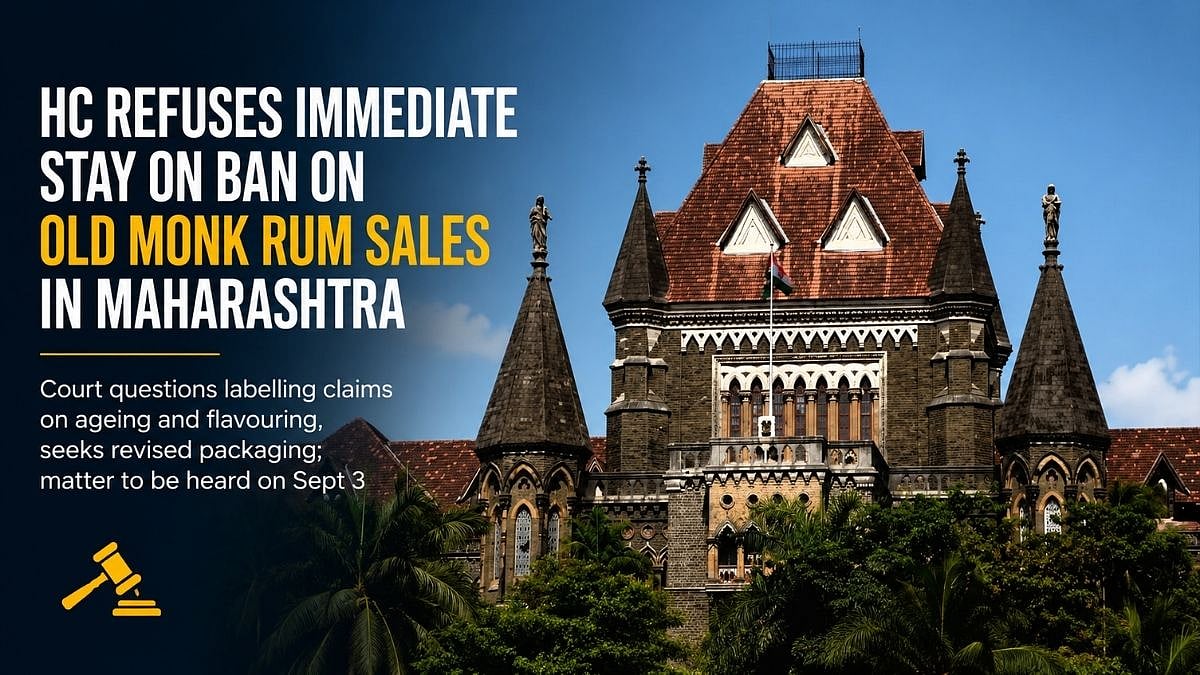
Bombay High Court Rejects Immediate Stay on Old Monk Ban
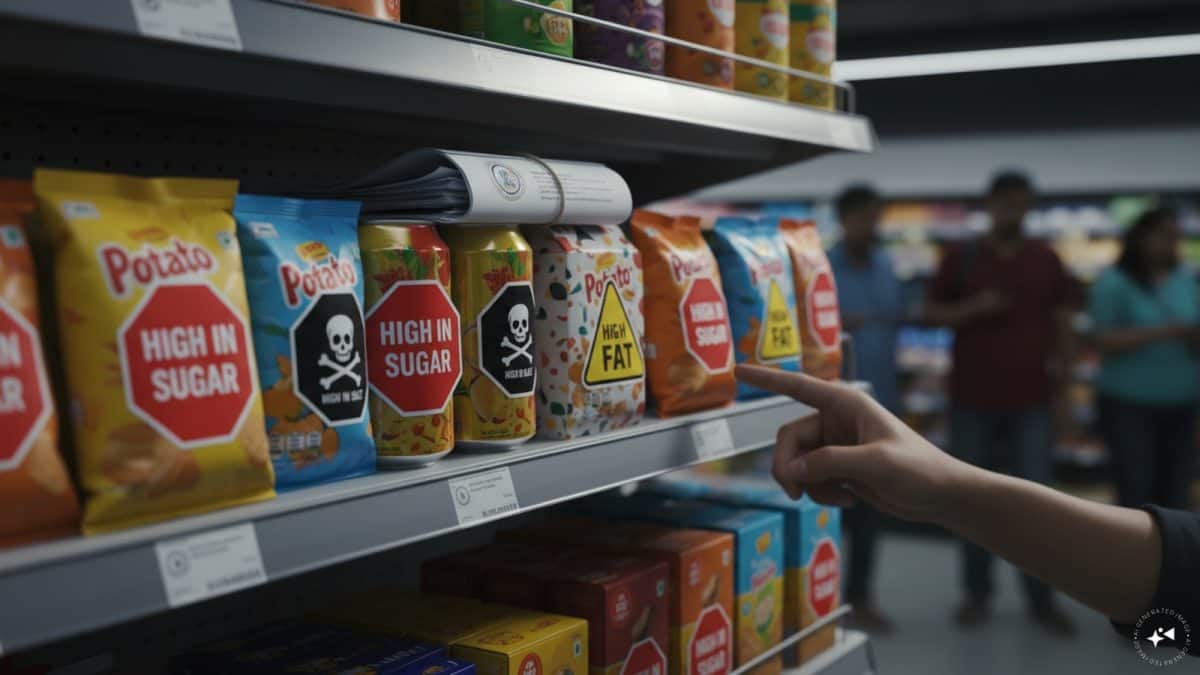
India’s Front-of-Pack Food Warning Labels Face Supreme Court Review

Kolkata Restaurateurs Welcome Food Safety Checks, Seek Fair Enforcement
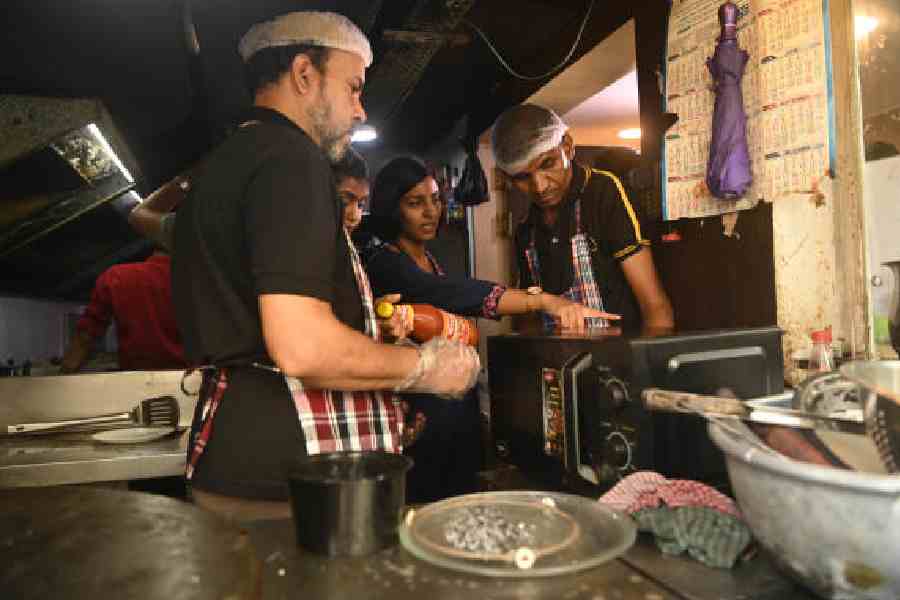
Park Street eateries face notices amid statewide food safety raids
